


Yen weakens as Asian markets reopen to renewed tariff turmoil
- The dollar index, which measures the greenback against a basket of currencies, rallied 0.2% to 97.90
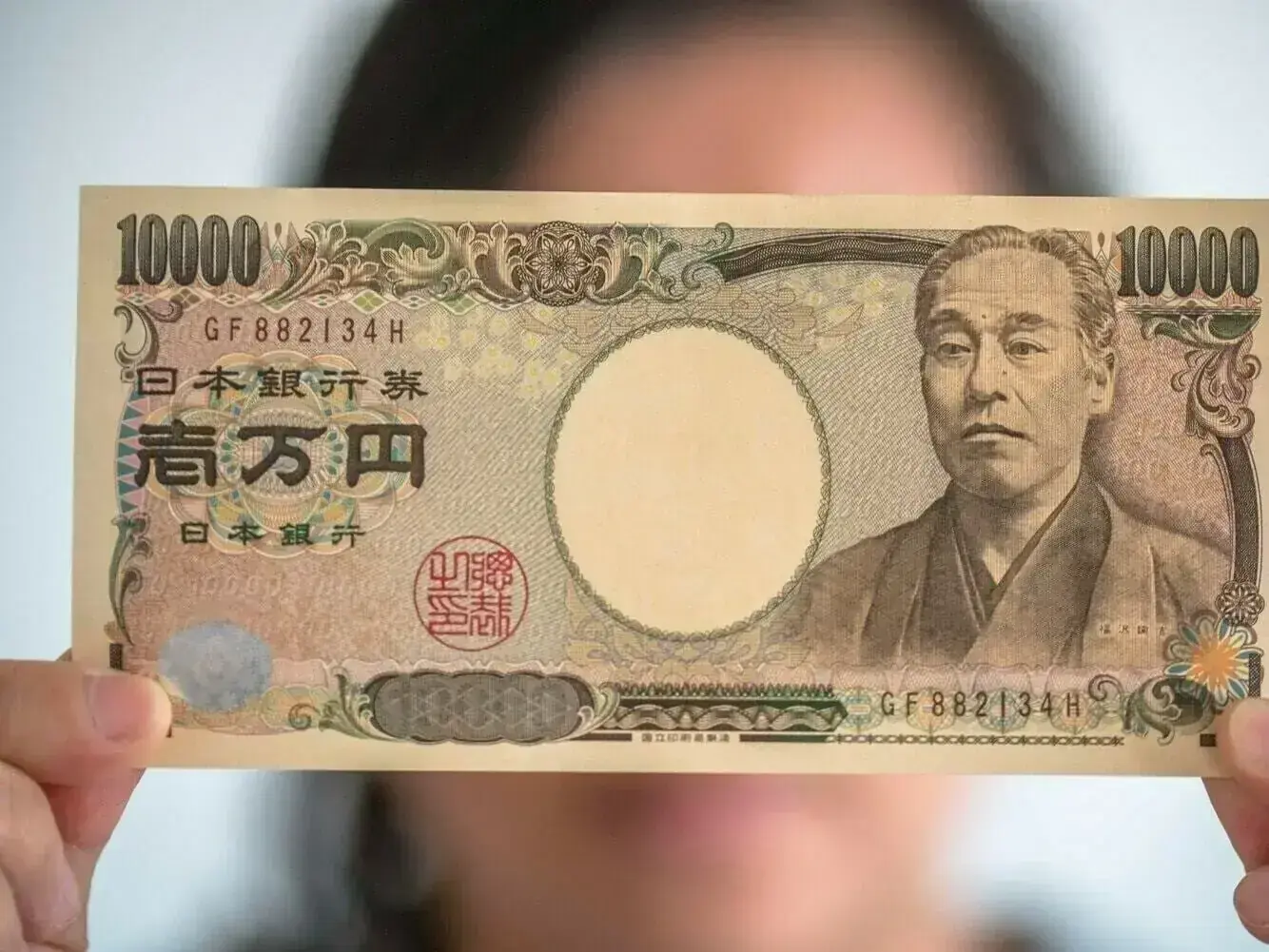

TOKYO: The yen weakened on Tuesday as markets weighed the fallout on global trade from renewed turbulence over US President Donald Trump’s tariff regime.
The greenback clawed back losses as China and Japan reopened following holidays and Trump warned countries against retreating from recent trade deals after the Supreme Court struck down his emergency tariffs.
The yen dipped after China announced export controls on Japanese companies in a further sign of souring relations.
The Nikkei newspaper said US authorities took the lead in conducting so-called rate checks last month to prop up Japan’s currency without a request from Tokyo.
Washington’s latest tariff threats are clouding the outlook for global trade.
The Supreme Court ruled on Friday that Trump’s use of a 1977 emergency law to impose tariffs exceeded his authority, but hours later Trump invoked a different law and imposed a new levy on all imports.
“Now we’re back in a very uncertain environment,” Ray Attrill, head of currency strategy at National Australia Bank, said on a NAB podcast.
“It’s just the uncertainty about what the future trade landscape will look like, just at a point where most countries had signed or were on the cusp of signing trade deals.”
The dollar index, which measures the greenback against a basket of currencies, rallied 0.2% to 97.90.
The euro slid 0.14% at $1.1768, while the yen sank 0.4% to 155.27 per dollar.
Sterling fell 0.08% to $1.3478.
Trump said on Saturday he would raise a temporary tariff from 10% to 15% on US imports from all countries, the maximum level allowed under the law.
On Monday, he took to social media to say that countries that “play games” in the wake of the Supreme Court’s ruling would be hit with even higher duties.
The Trump administration is considering new national security tariffs on industries like large-scale batteries, cast iron and iron fittings, plastic piping, industrial chemicals and power grid and telecom equipment, the Wall Street Journal said.
The European Parliament decided on Monday to postpone a vote on the European Union’s trade deal with the United States due to the new import tax.
Japan’s government said trade minister Ryosei Akazawa spoke with US Secretary of Commerce Howard Lutnick on Monday and requested that Tokyo’s treatment under new tariff measures not be less favourable than last year’s agreement.
The renewed trade uncertainties come as doubts creep into financial markets about the sustainability of massive investments in artificial intelligence and as Federal Reserve policymakers express concerns about elevated inflation.
The US central bank is expected to keep rates on hold until at least June.
Fed Governor Christopher Waller said on Monday he was open to leaving interest rates on hold at the Fed’s March meeting if upcoming February jobs data indicates the US labor market has “pivoted to a more solid footing” after a weak 2025.
Traders are also focused on rising geopolitical tensions.
The State Department is pulling out non-essential government personnel and their eligible family members from the US embassy in Beirut, a senior State Department official said on Monday, amid growing concerns about the risk of a military conflict with Iran.
“A prolonged military campaign would likely lift the USD against most currencies, except JPY and CHF, given the greater disruption to oil supply,” Samara Hammoud, a currency strategist at Commonwealth Bank of Australia, wrote in a note.
The Australian dollar strengthened 0.1% versus the greenback to $0.706, while New Zealand’s kiwi was little changed at $0.5957. China’s yuan hit the strongest level against the dollar in nearly three years on hopes Trump’s new tariff regime would lower taxes on Chinese exports.
In cryptocurrencies, bitcoin fell 2.2% to $63,188.51, and ether declined 2% to $1,826.89.
























Comments
Comments are closed for this article.