


UN biodiversity treaty enters into force, aims to protect 30pc of oceans by 2030
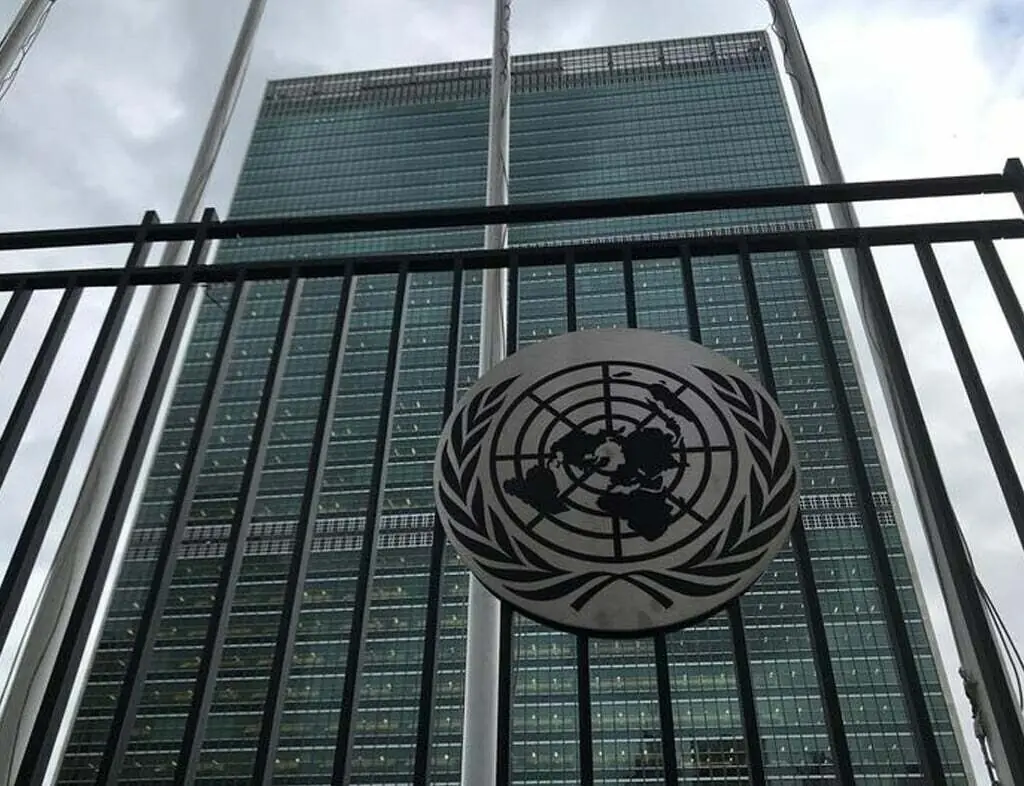

SINGAPORE: A landmark global treaty to safeguard biodiversity in the high seas came into effect on Saturday, providing countries with a legally binding framework to tackle threats such as overfishing and meet a target to protect 30 percent of the ocean environment by 2030.
The UN treaty, also known as Biodiversity Beyond National Jurisdiction (BBNJ), was finalised in March 2023 after 15 years of negotiations, and will allow the creation of a global network of “marine protected areas” in vast and previously unregulated ocean ecosystems lying in international waters.
“It’s two-thirds of the ocean, (and) it’s half the surface of the planet that for the first time will have a comprehensive legal regime,” said Adam McCarthy, first assistant secretary at the Australian foreign ministry and a co-chair of the treaty’s preparatory committee, speaking at a media briefing.
The treaty reached the threshold of 60 national ratifications on September 19 last year, meaning that it would go formally into operation within 120 days. The number of ratifications has since risen to more than 80, with China, Brazil and Japan adding their names to the list.
Others, including Britain and Australia, are expected to follow soon. The United States signed the treaty during the previous administration but has not yet ratified it.
“Whilst we only needed 60 for it to enter into force, obviously it’s really critical for its implementation and for it to be as effective as possible for us to achieve global or universal ratification of the treaty,” said Rebecca Hubbard, director of the High Seas Alliance, a coalition of environmental groups.
“We’re really aiming for all UN member states to ratify the treaty.”
Under the treaty, countries must conduct environmental assessments of activities that have an impact on ocean ecology. It will also create mechanisms allowing nations to share the spoils of the “blue economy”, including “marine genetic resources” used in industries such as biotechnology.
Environmentalists say more than 190,000 protected areas would need to be established in order to meet the “30 by 30” target to bring 30 percent of the oceans under formal protection by 2030. Currently, only about 8 percent - or 29 million square kilometres (11.2 million square miles) - is protected.
But the treaty will have little impact on what some conservationists identify as one of the greatest threats facing the marine environment - the clamour to extract mineral resources from the ocean bed.
“BBNJ is very ambitious but there are certain defined limits,” McCarthy said.
“The question of mining in the substrate or in the seabed simply belongs to the ISA (International Seabed Authority). It’s not something where the BBNJ gets a role.”


























Comments
Comments are closed for this article.