


Capital markets will become faster as PSX transitions to T+1 settlement
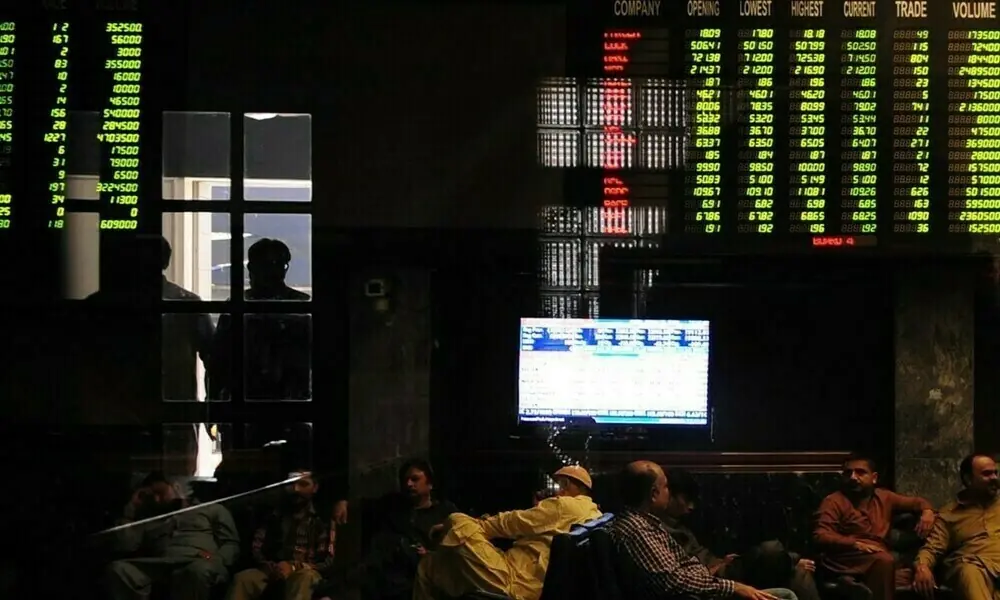

KARACHI: Pakistan’s capital market is set to enter a faster and more efficient era as the Pakistan Stock Exchange (PSX) transitions from a T+2 to a T+1 settlement cycle, effective February 9, 2026, marking a major reform aligned with international best practices.
The move, spearheaded by the Securities and Exchange Commission of Pakistan (SECP), will reduce the time required to complete securities transactions, allowing trades to be settled within one business day instead of two.
Market participants say the initiative represents a significant step toward enhancing operational efficiency, risk management, and investor confidence.
Under the new settlement framework, shares purchased on a trading day will be credited to investors’ accounts on the next business day, while sellers will receive funds within 24 hours of trade execution. Previously, the settlement process required two business days, often tying up capital and limiting trading flexibility.
Industry experts believe the transition will substantially reduce counterparty risk by narrowing the settlement window and minimizing the chances of default. Faster settlements are also expected to improve market liquidity, enabling investors to redeploy capital more quickly and manage portfolios with greater agility.
The shift to T+1 is anticipated to enhance the overall attractiveness of the Pakistan Stock Exchange, particularly for foreign institutional investors who increasingly favour markets with shorter settlement cycles. By adopting this model, Pakistan joins leading global markets such as the United States and India, both of which have already implemented T+1 settlements.
The successful rollout of the new system is the result of coordinated efforts among key market institutions, including the National Clearing Company of Pakistan Limited (NCCPL) and the Central Depository Company (CDC), along with industry stakeholders such as the Mutual Funds Association of Pakistan (MUFAP), the Pakistan Stock Brokers Association (PSBA), and the Pakistan Banks Association.
Regulators and market participants view the reform as a critical milestone in the modernization of Pakistan’s capital markets, reinforcing the country’s commitment to building a more resilient, transparent, and globally competitive financial ecosystem.
Copyright Business Recorder, 2026



























Comments
Comments are closed for this article.