


Macroeconomic stability: World Bank Board approves USD700m for ‘PRID-MPA’
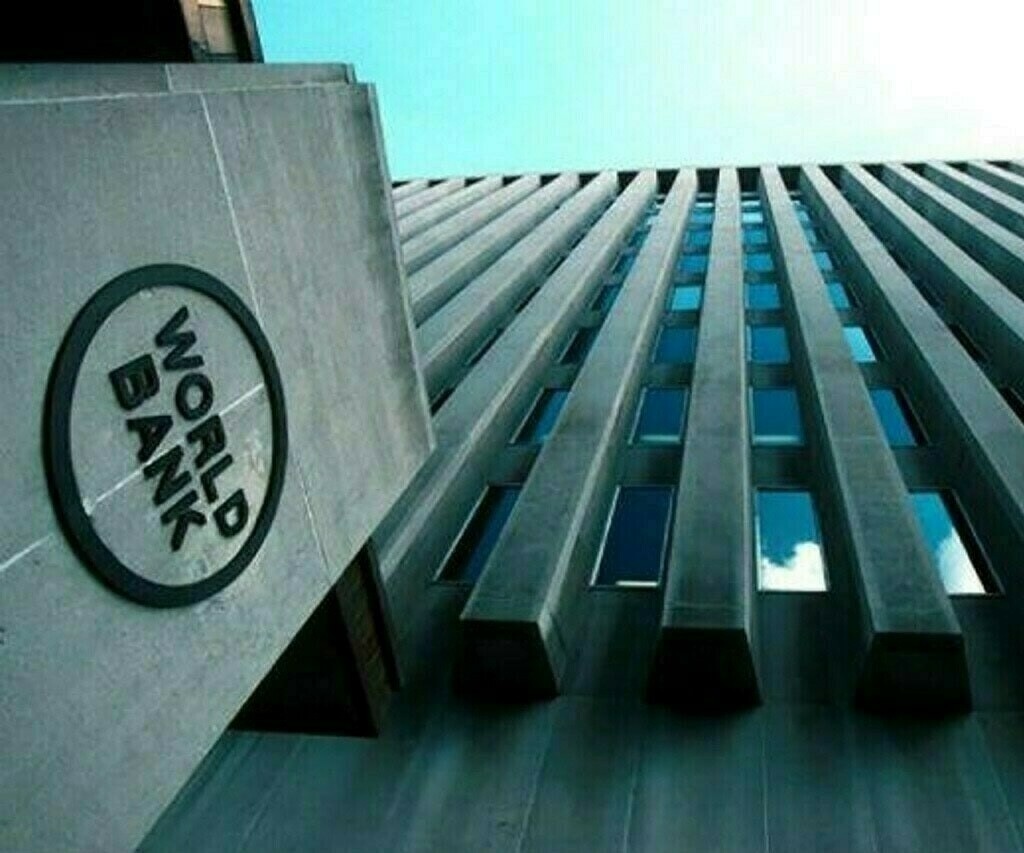

ISLAMABAD: The World Bank’s Board of Executive Directors has approved USD 700 million in financing for the Pakistan Public Resources for Inclusive Development – Multiphase Programmatic Approach (PRID-MPA), a multi-year, multi-program initiative to support macroeconomic stability and service delivery.
The PRID-MPA - an innovative, national program supporting federal and provincial reforms to mobilize domestic revenue - will enhance spending quality and leverage data and digital tools for improved services. The MPA is intended to support ongoing fiscal reforms, aligned with the IMF-Extended Fund Facility program and the National Fiscal Pact.
The MPA will provide up to USD 1.35 billion in total financing. Of this amount, the World Bank has approved USD 600 million for federal programs and USD 100 million specifically for the Sindh provincial program. The results-based design ensures that resources are only disbursed once program objectives are achieved.
“Pakistan’s path to inclusive, sustainable growth requires mobilizing more domestic resources and ensuring they are used efficiently and transparently to deliver results for people,” said Bolormaa Amgaabazar, World Bank Country Director for Pakistan. “Through this MPA, we are working with the Federal and Sindh governments to deliver tangible impacts—more predictable funding for schools and clinics, fairer tax systems, and stronger data for decision-making—while safeguarding priority social and climate investments and strengthening public trust.”
The federal component will focus on raising domestic revenues more fairly, improve budget planning and execution, and strengthen data systems for evidence-based decisions. Key actions include advancing tax policy and administration reforms; financing and scaling the Integrated Financial Management Information System and its linked e-procurement platform; undertaking targeted subsidy reforms; and strengthening the national statistical system led by the Pakistan Bureau of Statistics. Together, these reforms will bolster fiscal stability, expand fiscal space for priority social and climate needs, enhance transparency and spending efficiency, and improve essential public services.
“Strengthening Pakistan’s fiscal foundations is essential to restoring macroeconomic stability, delivering results and strengthening institutions,” said Tobias Akhtar Haque, Lead Country Economist for the World Bank in Pakistan. “Through the PRID-MPA, we are launching a coherent nationwide approach to support reforms that expand fiscal space, bolster investments in human capital and climate resilience, and strengthen revenue administration, budget execution, and statistical systems. These reforms will ensure that resources reach the frontline and deliver better outcomes for people across Pakistan with greater efficiency and accountability.”
In Sindh, the program is expected to increase provincial revenues, enhance the speed and transparency of payments, and broaden the use of data to guide provincial decision making. The program will directly support the increase of public resources for inclusive development, including more equitable and responsive financing for primary healthcare facilities and more funding for schools.
Copyright Business Recorder, 2025

























Comments
Comments are closed for this article.