


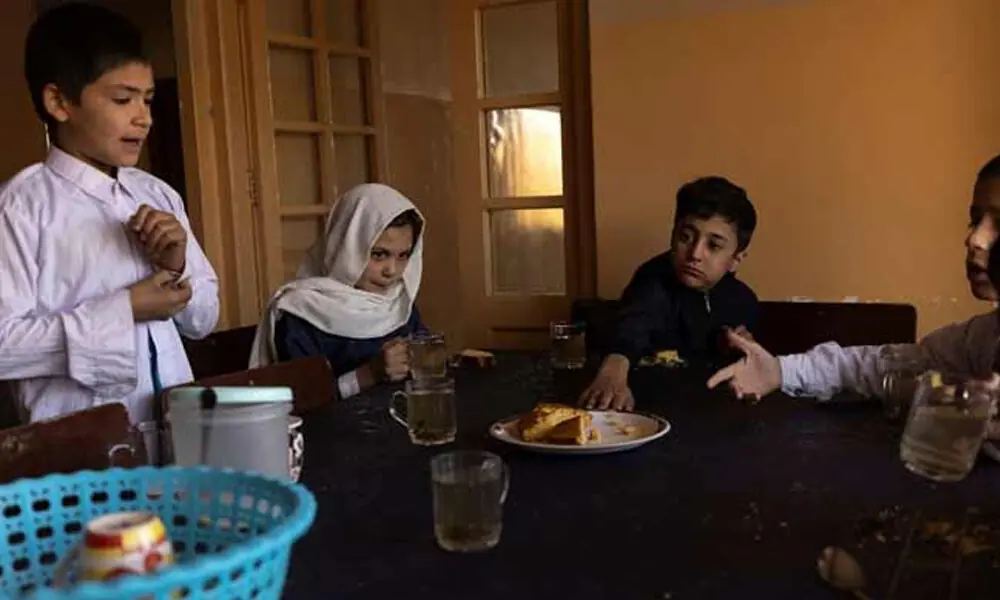

GENEVA: The number of people facing acute food insecurity in Afghanistan this winter is on the rise, and now stands at more than 17 million, the United Nations warned Tuesday.
“The situation is getting worse, and we need to act now as Afghanistan is entering the winter period where needs are highest,” said Jean-Martin Bauer, director of food security and nutrition analysis at the UN’s World Food Programme.
More than 17 million people are facing acute food insecurity: “three million more than last year”, he told a press briefing in Geneva.
Furthermore, “there are almost four million children in a situation of acute malnutrition”, he said.
Speaking from WFP’s Rome headquarters, Bauer said the situation was down to a combination of factors, including drought affecting crops and livestock, earthquakes that have plunged many families into poverty, and cuts in international aid.
Added to this, the forced return of more than 2.5 million Afghans from Iran and Pakistan this year “is putting stress on very limited resources” and the “very limited infrastructure in the country”.
WFP expects a similar number of people to return to Afghanistan in 2026.
The organisation currently has only 12 percent of the funds needed for its programmes in the country.
Bauer indicated that due to lack of money, WFP is unable to undertake its usual winter preparations, such as pre-positioning food resources in vulnerable communities.























Comments
Comments are closed for this article.