



LAHORE: The Second Asia Energy Transition Summit opened at LUMS with extensive regional and international participation.
Jointly organised by the LUMS Energy Institute (LEI), the Alliance for Climate Justice and Clean Energy (ACJCE) and the Pakistan Renewable Energy Coalition (PREC), the Summit brought together senior government representatives, foreign diplomats, global climate leaders, development institutions, researchers and civil society networks from across Asia, Europe and the Pacific to examine the shifting political, financial and technological landscape of Asia’s clean-energy transition.
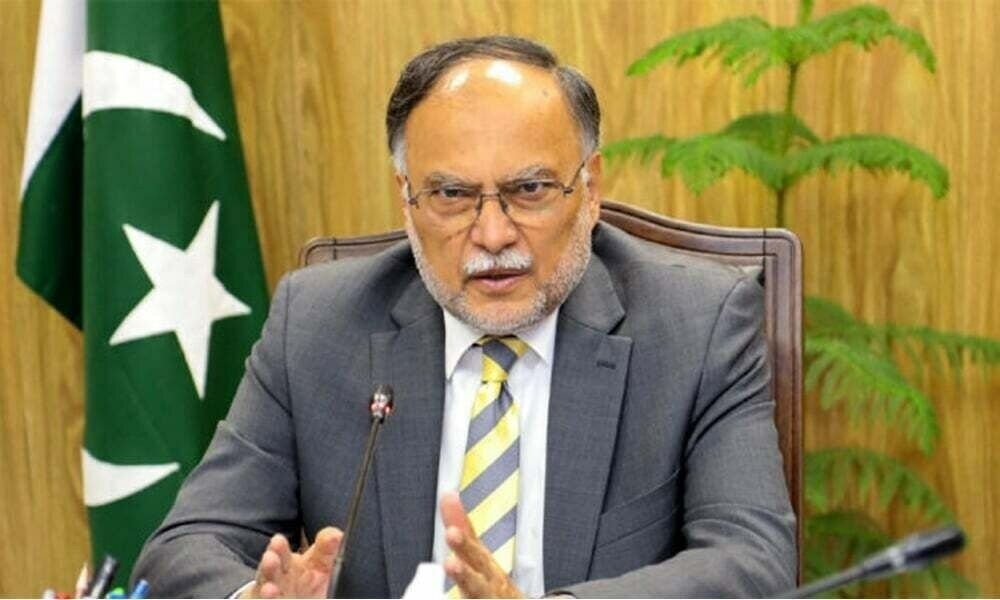
In his inaugural address, Professor Ahsan Iqbal, Federal Minister for Planning, Development and Special Initiatives, highlighted the strategic reforms under way to secure Pakistan’s energy future. He stressed on the centrality of a resilient, forward-looking grid and the efficient use of energy resources in meeting national and regional ambitions. He stated that the government is strengthening its power infrastructure to integrate large-scale renewables, describing modern infrastructure as indispensable to a green, competitive economy. He also reaffirmed the importance of energy efficiency, “The most reliable source of clean energy is the energy conserved.” He reiterated that no country can undertake this transition alone and called for deeper multilateral engagement, partnership-driven financing and wider regional cooperation.
LUMS to hold Asia Energy Transition Summit
The day’s discussions built on priority areas repeatedly highlighted by Federal Minister for Energy (Power Division), Awais Ahmad Leghari, whose policy vision for a flexible, modernised and technologically advanced grid guided the Summit proceedings. Speaking at the event, he said,
“Pakistan recognises the critical importance of moving toward renewable energy, our energy strategy is deeply rooted in sustainability. To fully unlock the potential of renewable energy, Pakistan is focused on modernizing its energy infrastructure. A smart, modernized grid will enable us to effectively integrate renewable energy. The energy transition requires significant investment; Pakistan is open to partnerships with international organizations, governments, and private sector players. By working together, we can achieve a future where clean, renewable energy drives economic growth, improves quality of life, and protects our planet for future generations.”
In the plenary dialogue, Former Federal Minister of Finance, Dr Shamshad Akhtar stressed that Asia must steer global transition debates with clarity and confidence, calling for integrated planning frameworks that balance financial prudence, technological readiness and social equity.
Justice Syed Mansoor Ali Shah, former judge of Supreme Court of Pakistan, highlighted the legal and institutional dimensions of the transition, underscoring that climate and energy governance must be rights-based, transparent and adaptive to emerging risks. Moreover, he shared that “Climate finance never matched the scale of climate challenge and if it ever materialised it arrived late mostly as loans.”
“The Supreme Court; however, made a landmark ruling that climate finance is a fundamental right since no climate adaptation is possible without climate finance.”
International delegates shared insights on financing landscapes, renewable-energy market reforms, community resilience and cross-border cooperation, reflecting broad global interest in Asia’s emerging leadership role.
Thematic sessions discussed tariff and non-tariff barriers, South–South cooperation and Asia’s geopolitical influence in global energy pathways. Conversations emphasised the need for financing mechanisms that shield developing nations from additional debt burdens, strengthen domestic institutions and support people-centred transition strategies.
Concluding the opening day, Dr Tariq Jadoon, Provost LUMS, reaffirmed the University’s commitment to advancing research-driven, evidence-based energy policy. Dr Fiaz Chaudhry, Chairman National Grid Company and Senior Advisor at LEI noted that the Summit’s discussions will inform practical and financially viable pathways for countries aligning development agendas with climate and energy imperatives.
The Summit continues tomorrow with high-level forums on financing landscapes, false solutions, distributed renewable deployment and Asia’s emerging energy diplomacy.
Copyright Business Recorder, 2025

























Comments
Comments are closed for this article.