


Unions protest at rollout of India’s new labour codes
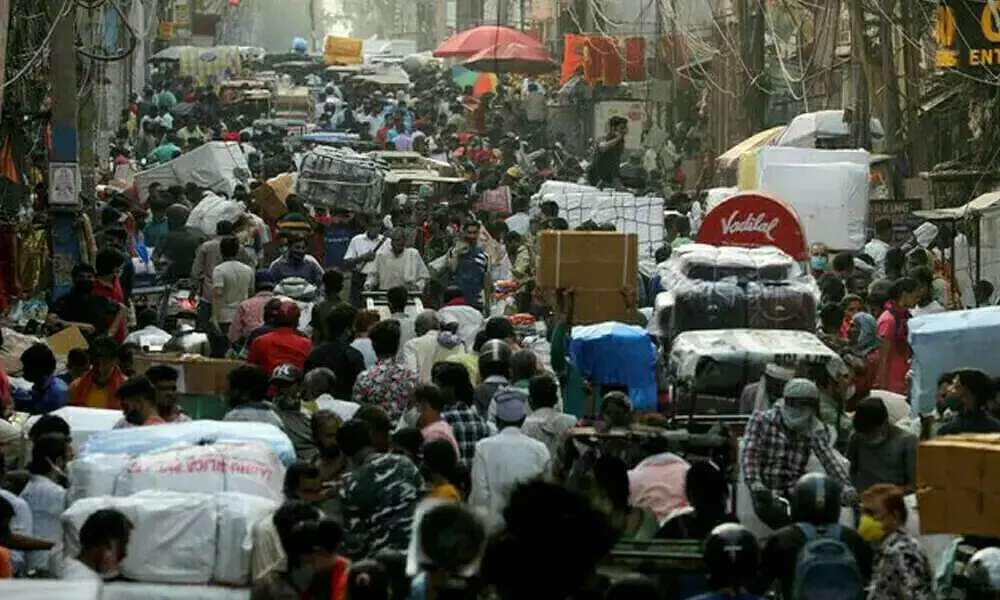

KOCHI/BHUBANESWAR/NEW DELHI: Indian trade unions held protests across the country on Wednesday as workers staged marches and meetings against four new labour codes, which the government says are the biggest overhaul of workplace rules in decades.
Demonstrations were held in states including Kerala, Odisha, Tamil Nadu and West Bengal, and the national capital New Delhi, with unions saying turnout was strong in public-sector units, coal fields, transport and some auto and textile hubs.
Banks and markets operated normally and there was no nationwide shutdown. However, unions said the protests marked the start of a longer campaign to try to block some of the changes.
While the rules took effect on Friday, five years after being passed by parliament, the full rollout hinges on how quickly states notify and implement their rules, legal experts said.
UNIONS SAY CODES WEAKEN JOB SECURITY
Ten trade unions, mostly aligned with opposition parties, have denounced the package as “anti-worker” and “pro-employer”, accusing the federal government of pushing it through without proper consultation and weakening job security, collective bargaining and workplace protections.
The labour codes merge 29 federal laws covering wages, industrial relations, social security and workplace safety.
India trade unions condemn new labour codes, plan nationwide protests
They allow companies with up to 300 employees to make redundancies without prior approval and recognise fixed-term contracts, giving employers more flexibility.
The government says the codes will also set a yet-to-be determined national minimum wage, extend social security to gig workers, simplify compliance and attract investment.
Some opposition-ruled states, including Kerala and Karnataka, have said they will not implement the laws without further consultation with unions.
In Bhubaneswar, capital of the eastern state of Odisha, workers marched with banners and raised anti–government slogans.
In Kerala’s Kozikode, convenor of the Joint Trade Union State Committee Elamaram Kareem, told a protest that unions would continue their agitation until the codes were withdrawn.
In a statement to President Droupadi Murmu, unions said Wednesday’s “protests were part of a wider worker-farmer mobilisation against anti-worker, anti-farmer policies”.
While the president has a mostly ceremonial role, they can, in principle, advise the government to reconsider or amend the legislation.
The labour ministry did not comment on Wednesday’s protests. Officials have previously insisted the codes strengthen worker rights and said they remain open to feedback as rules are framed.


























Comments
Comments are closed for this article.