


BR Research: COP30: What will determine its success or failure?
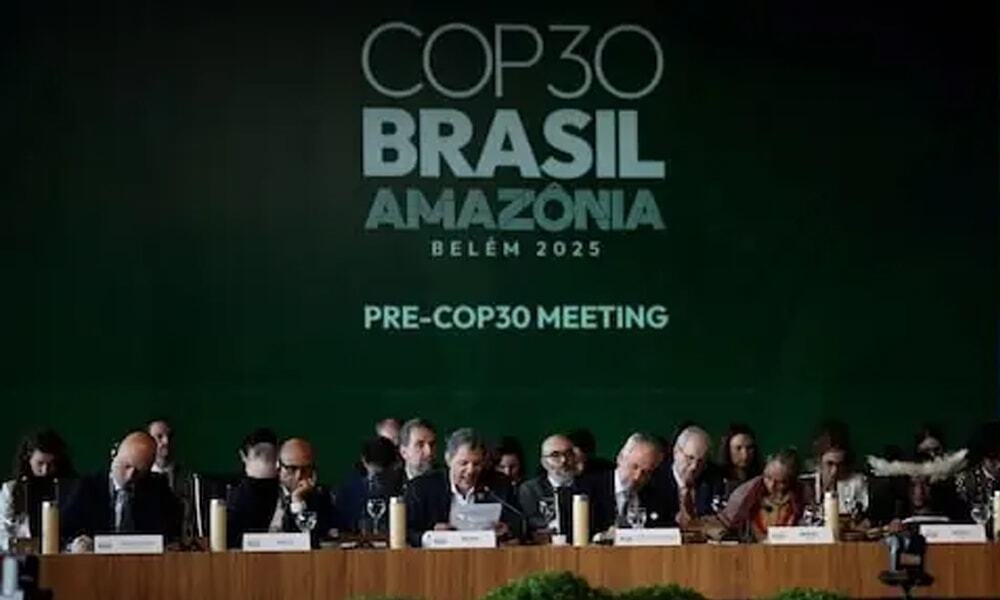

As talks continue in Brazil, COP30 feels like a turning point. The world is edging dangerously close to crossing the 1.5°C threshold, and the time left for meaningful action is slipping away. After a mixed COP28 and a disappointing COP29, the big question now is straightforward: what will make COP30 a success — and what could cause it to fall short?
A quick look back explains why expectations are so heavy. COP28 in Dubai made headlines for agreeing to “transition away” from fossil fuels, but the wording was soft, and countries walked away unsure of what the promise actually meant in practice. COP29 offered even less. The funding that vulnerable countries have been waiting for — especially for adaptation, loss, and damage — remained far below what is needed. Wealthy nations avoided firm commitments. In both cases, the world heard big announcements but saw little in terms of enforceable pathways to keep 1.5°C within reach.
That context shapes the mood at COP30. Brazil is trying to inject urgency into the process, and scientists and campaigners are sounding alarms: if current trends continue, the world could overshoot 1.5°C within a few years.
This summit also looks different because the United States — the largest historical emitter — is not at the table in any political sense. That absence cuts both ways. On the downside, the US has traditionally been central in pushing deals forward and providing financial muscle. Without it, there is less pressure on other major emitters and less hope for unlocking big climate-finance packages. For developing countries already struggling with climate shocks, it feels like another sign that rich nations are stepping back from responsibilities they themselves set.
But there is another side to the story. With no single power dominating the room, the negotiations have taken on a more open tone. Countries from the EU, Brazil, China, and climate-vulnerable blocs are speaking more freely and shaping the conversation without having to constantly navigate around USA’s stance. In many ways, COP30 is a live test of whether global climate diplomacy can function — and maybe even move faster — without the United States in the lead.
Still, the big obstacles are very real. The Loss and Damage Fund is far from fully funded. There is still no clear or credible plan for scaling up climate finance to the levels scientists say are needed. Conflicts and global tensions continue to weaken trust. And without stronger financial commitments, developing countries worry they will once again be left to manage the costs of adaptation alone.
In the end, COP30’s outcome will depend on three things: whether countries strengthen their NDCs, whether rich countries finally deliver real and trackable finance, and whether the world agrees on a just transition that protects people, not just carbon numbers.
COP30 won’t be judged by speeches or slogans. It will be judged by whether the promises made in Bazil turn into real action. Right now, the summit could still go either way.























Comments
Comments are closed for this article.