


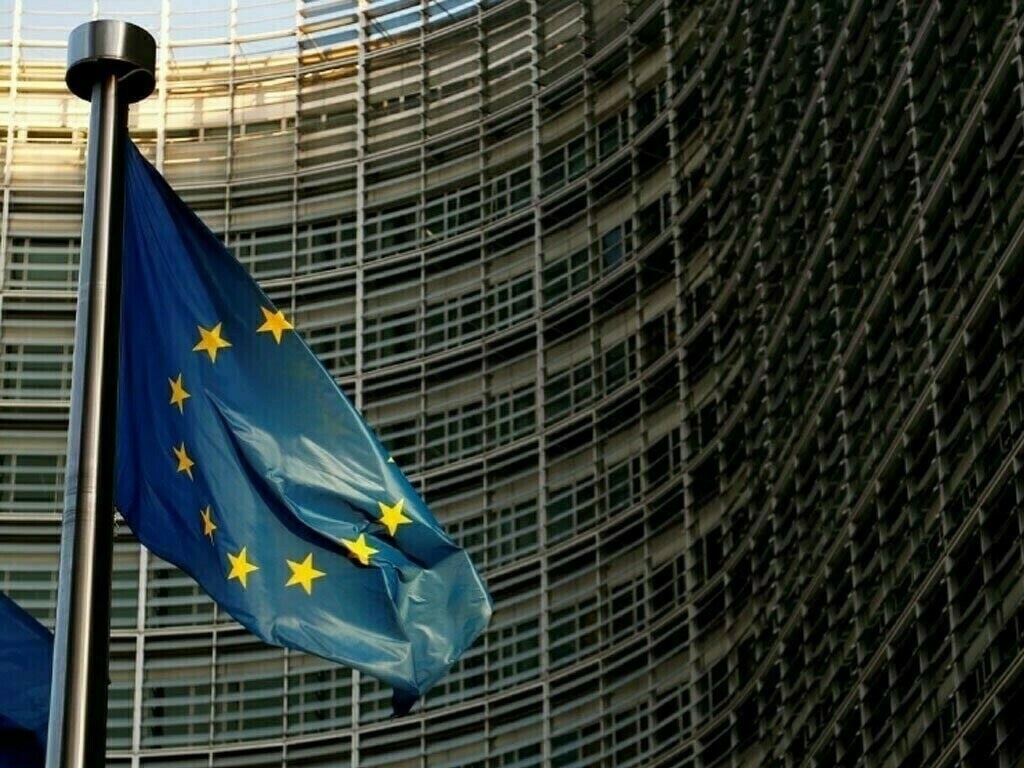

BRUSSELS: The EU put forward a huge trade deal with South American bloc Mercosur for approval by member countries Wednesday, reassuring chief critic France it came with “robust” safeguards to protect farmers.
The agreement to form a 700-million-customer free-trade area, the world’s biggest, is a key pillar in Brussels’ push to open new markets in the face of US tariffs — but has faced Paris-led opposition over agricultural concerns.
“EU businesses and the EU agrifood sector will immediately reap the benefits of lower tariffs and lower costs, contributing to economic growth,” European Commission President Ursula von der Leyen said presenting the deal.
The commission Wednesday gave its final go-ahead to the accord, which was struck with the club bringing together Argentina, Brazil, Paraguay and Uruguay in December — 25 years after negotiations began.
But the text needs to be approved by at least 15 of the EU’s 27 member nations — and the European Parliament — to be formally adopted.
EU trade chief Maros Sefcovic told a press conference the commission hoped to complete the approval process by the end of the year.
The Mercosur deal is backed by a wide majority of countries skippered by Germany, keen to diversify trade away from the United States — which will maintain ramped-up tariffs on the EU despite a newly-struck trade deal.
The pact will see Mercosur countries progressively remove import duties on 91 percent of EU goods including cars, chemicals, wine and chocolate, which currently face tariffs of up to 35 percent.
The commission estimates it will increase EU annual exports to the four-country bloc by up to 39 percent, or 49 billion euro (USD57 billion), and give Europe an edge over China and others vying for influence in the region.
“These are markets that haven’t opened up in this manner before to anyone, so there is a certain first-mover advantage for us,” a senior commission official said on condition of anonymity.
In return, agricultural giant Brazil and its neighbours would be able to sell meat, sugar, honey, soybeans and other products to Europe with fewer restrictions.
This raised fears that a flow of cheaper farming goods would undercut European producers — leading to a staunch opposition by France.
Pan-European agriculture lobby group Copa-Cogeca has called the deal “economically and politically damaging for Europe’s farmers, rural communities, and consumers.”
But the commission insisted it provides “full and comprehensive protection for all EU sensitivities in the agricultural sector”.
For example, only a quota of beef imports from Mercosur, equal to 1.5 percent of EU production, will be subject to a preferential 7.5-percent levy.
“This is about two steaks, two hamburgers, whatever your preferences are, per year, per European,” said the commission official. Additional imports will face tariffs of up to 50 percent, he added.
Sensitive European products will be further protected from “any harmful surge in imports” by “robust safeguards”, the commission said.
In a late concession, it promised to detail how these would work in a separate act, which the official said will clarify the safeguards could be triggered even if a single member state — rather than the whole of the EU — is badly affected.
Paris sounded a conciliatory note Wednesday, with government spokeswoman Sophie Primas saying the commission had “heard the reservations” of several countries.
She stressed, however, that Paris still needed to analyse the safeguard mechanism before giving its green light to the accord.
Brussels had also already said it planned to set up a one-billion-euro ($1.2 billion) “reserve” for European farmers who might be negatively impacted.
The EU has sought to broaden its trade horizons, pitching itself as a reliable business partner, amid soaring global trade tensions and the volatility sparked by Trump’s tariff campaign.
Over the past year, it has launched trade deal talks with the United Arab Emirates and Malaysia and held summits with India and South Africa, among other initiatives.
On Wednesday the commission also presented a revamp of its existing trade deal with Mexico.
The update will see Mexico remove the remaining tariffs on EU agrifood exports, such as cheese, poultry, pasta, apples, chocolate and wine, and provide access to critical raw materials, the commission said.
“In today’s uncertain geopolitical climate, diversifying our supply chains and deepening partnerships with trusted allies, partners and friends is not a luxury, it is a necessity,” trade chief Sefcovic told reporters.
























Comments
Comments are closed for this article.