


Indian rupee may weaken further on tariffs, outflows; bonds to eye fiscal clarity
- The Indian rupee hit an all-time low of 88.3075 against the U.S. dollar last Friday
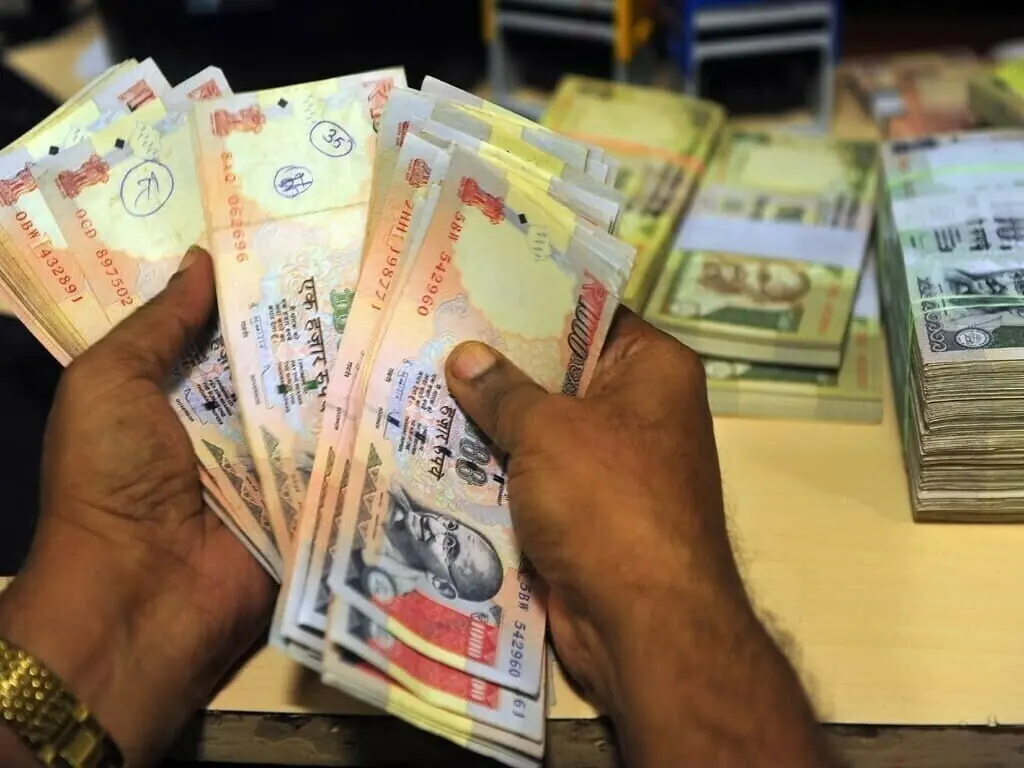

MUMBAI: The Indian rupee, after falling to a lifetime low last Friday, will likely remain under pressure this week with U.S. tariffs and sluggish portfolio flows piling on the pressure, while government bonds brace for fiscal developments.
The Indian rupee hit an all-time low of 88.3075 against the U.S. dollar last Friday, sliding past the 88 mark — a level widely seen as an important technical support and likely to draw heavy intervention from the Reserve Bank of India.
The rupee’s drop past 88 followed Washington’s imposition of additional tariffs on India, a move expected to hurt portfolio flows, impact growth, and widen India’s trade deficit.
Foreign outflows from Indian equities have accelerated after the additional U.S. tariffs amid worries over slower earnings for export-oriented sectors and the macro outlook.
“Till the uncertainties around US tariffs settle down, it will continue being a rupee-negative event,” Dipti Chitale, CEO at Mecklai Financial Services, said.
“We feel that Reserve Bank of India will let the rupee depreciate in the interest of maintaining competitiveness in the market.”
Meanwhile, India’s 10-year benchmark 6.33% 2035 bond yield settled at 6.5678% on Friday, up 2 basis points through Friday, after rising 15 bps in the previous week.
Traders anticipate the yield will remain in the 6.52% to 6.65% band this week, with major focus on developments in New Delhi’s fiscal picture as well as a meeting of the goods and services tax council towards the end of the week.
“Monetary policy has already played its role and has limited fire power left, but the fiscal should act now and calm markets,” said Niraj Kumar, chief investment officer at Generali Central Life Insurance.
Bond market sentiment has weakened on fears of fiscal slippage after Prime Minister Narendra Modi unveiled sweeping goods and services tax reforms on August 15.
India plans to slash the levy by October and has proposed a move to a two-rate structure of 5% and 18%, scrapping the 12% and 28% rates in place currently. The GST council will meet on Wednesday and Thursday.
Meanwhile, India’s economy unexpectedly expanded 7.8% year-on-year in the April-June quarter, picking up from 7.4% in the previous three months. Economists polled by Reuters had forecast growth likely cooled to 6.7%.
“Going forward, we could see some slowdown in the second quarter due to spillovers from the tariff impact. For now, our full-year GDP growth estimate for FY26 is retained at 6.3%, with a downward bias,” Sakshi Gupta, principal economist at HDFC Bank said.


















Comments
Comments are closed for this article.