


India curbs solar power output to keep grid stable amid low demand, ministry says
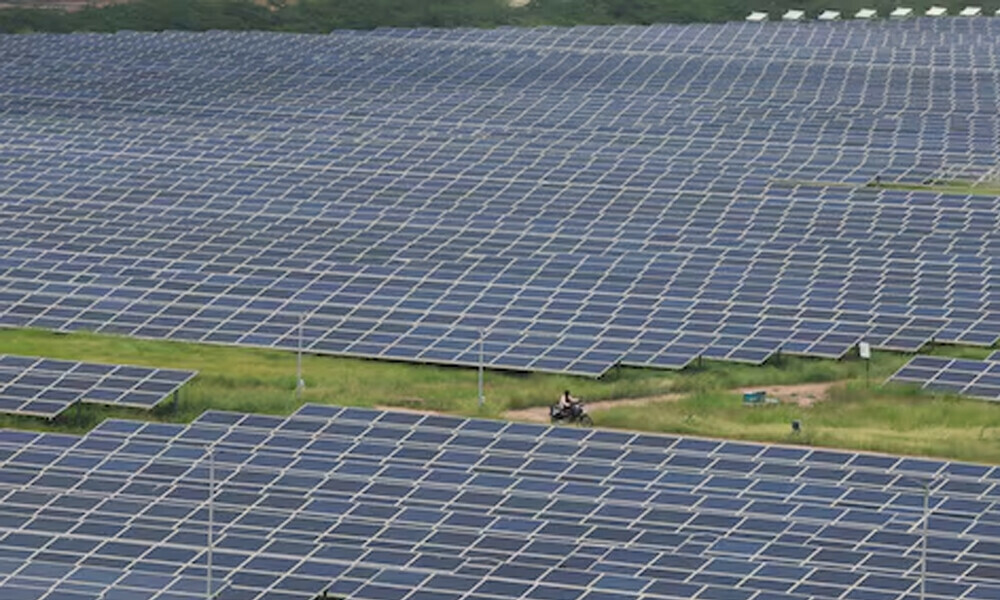

SINGAPORE/NEW DELHI: India is curbing solar output during periods of low demand to keep its power grid stable and to ease congestion in power lines as green energy supply rises, its Ministry of New and Renewable Energy (MNRE) told Reuters.
Congestion in power lines due to some new plants coming into operation ahead of schedule and delayed transmission projects have also forced power output curbs, also known as curtailment, the MNRE said in an emailed response to questions late on Monday.
The curtailments are the latest setback to India’s renewable power developers, who are increasingly languishing without supply contracts as demand for power slows.
The National Solar Energy Federation of India (NSEFI) said in a July 24 letter to the ministry that solar power producers in Rajasthan, the top green power producing state, were facing prolonged and frequent curtailments, which had risen to 48% of output during peak generation hours.
The producers have lost more than $26 million in revenue since April due to the curbs, NSEFI said in the letter reviewed by Reuters.
NSEFI, whose members include the green energy arms of Indian conglomerates Adani and Tata, Amazon Web Services, Dutch investment firm SHV and Malaysia’s Gentari, said curtailments undermined project viability and future investments.
“Projects in the state had been deferred by 18-20 months to accommodate for the delays in the transmission system, but are still unable to be commissioned due to even further delays,” NSEFI said.
There’s a need to strike a fair balance between solar and grid users
NSEFI has asked the government to accelerate transmission and battery storage projects, some of which face up to two years of delay.
The federal power ministry has said it is fast-tracking interstate transmission lines to support renewable energy.
Beyond Rajasthan
While Rajasthan is the worst affected by curtailments, other major green energy producers such as the southern Tamil Nadu state, and Gujarat and Maharashtra in the west are also curbing output, according to four industry officials and analysts.
Data compiled by Tamil Nadu’s Renewable Energy Producers Association showed solar output was 10% lower than forecast in the quarter ended June. J Radhakrishnan, a spokesman for the Tamil Nadu energy department said solar was being curbed as a “last resort” measure, and that coal power was also being curtailed amid low demand.
India’s renewable energy generation, mainly solar, rose at a record pace in the six months ended June as previously awarded projects came online, while overall power generation growth was largely flat compared with an increase of nearly 6% in 2024.
However, solar projects awarded in the three months ended June fell 75% annually and tenders for new projects declined 65%, according to clean energy consultancy Mercom.
The decline reflects a “temporary recalibration rather than a slowdown,” MNRE said, adding that bids were being issued in line with national targets and demand.
Government data shows the usage rate of solar capacity fell to 21.4% in May and 19.5% in June.
The MNRE said some of it was due to lower irradiance, adding it expected capacity utilisation of 21%–25% range from February to June in the future.

























Comments
Comments are closed for this article.