


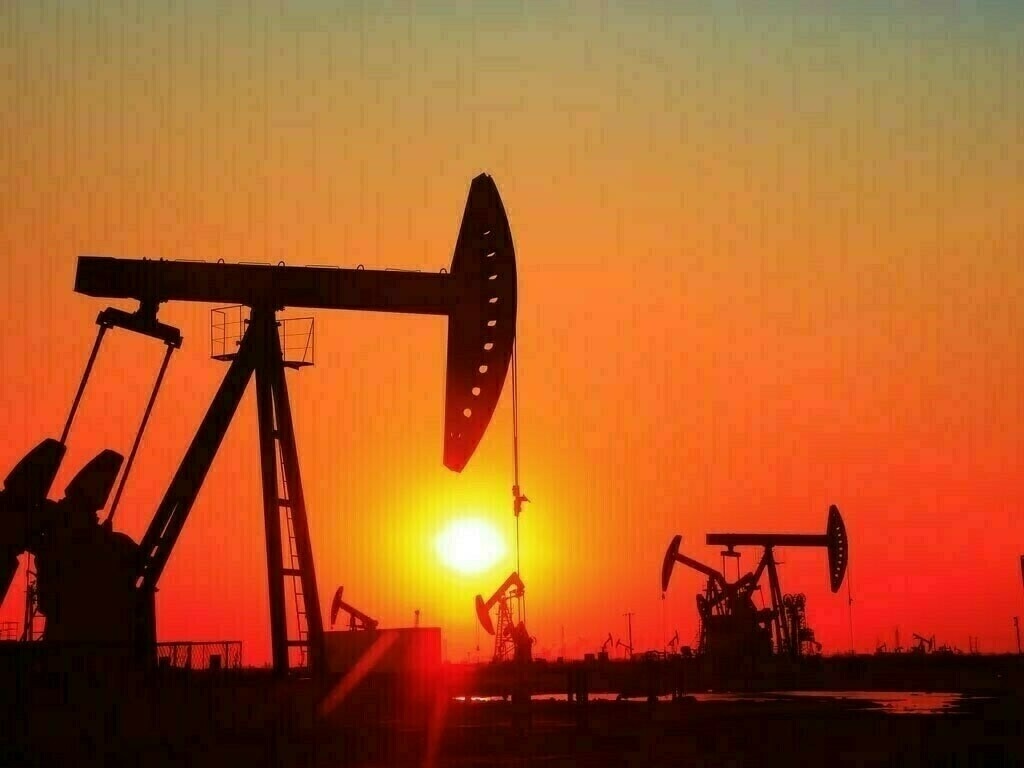

NEW YORK: Oil prices fell nearly 2% on Wednesday after gaining earlier in the session as investors weighed the chance of supply disruptions from the Iran-Israel conflict and potential direct US involvement.
Brent crude futures fell $1.40, or 1.8%, to $76.73 a barrel by 10:41 a.m. EDT. US West Texas Intermediate crude dropped $1.29, or 1.7%, at $73.55. Both contracts had gained over 4% the previous session. Prices turned negative after President Donald Trump on Wednesday declined to answer reporters’ questions on whether the US was planning to strike Iran or its nuclear facilities, and said the Iranians had reached out but he feels “it’s very late to be talking”. Trump said Iran had proposed to come for talks at the White House but did not provide details.
“He’s basically suggesting that Iran could say, ‘Alright, we’re going to shut down our nuclear program’,” said Phil Flynn, senior analyst with the Price Futures Group. “That would avoid the US getting into a conflict. That would be reduction of risk.” On Tuesday, Trump warned that US patience was wearing thin and called for an “unconditional surrender” from Iran, an option that Iran’s leader Ayatollah Ali Khamenei rejected on Wednesday. While Trump said there was no intention to kill Khamenei “for now”, his comments had suggested a tougher stance towards Iran as he considers whether to increase US involvement. A source familiar with internal discussions said one of the options Trump and his team were considering included joining Israel in strikes against Iranian nuclear sites. HIGHER RISK Direct US involvement threatens to widen the conflict, putting energy infrastructure in the region at higher risk of attack, analysts say. “The biggest fear for the oil market is the shutdown of the Strait of Hormuz,” ING analysts said in a note. “Almost a third of global seaborne oil trade moves through this chokepoint. A significant disruption to these flows would be enough to push prices to $120 (a barrel).” Iran is OPEC’s third-largest producer, extracting about 3.3 million barrels per day (bpd) of crude oil. Meanwhile, Iran’s ambassador to the United Nations in Geneva said on Wednesday that Tehran has conveyed to Washington that it will respond firmly to the United States if it becomes directly involved in Israel’s military campaign. Markets are also awaiting news from a second day of US Federal Reserve discussions on Wednesday, in which the central bank is expected to leave its benchmark overnight interest rate in the range of 4.25% to 4.50%.
However, the Middle East conflict and risk of slowing global growth could push the Fed to cut rates by 25 basis points in July, sooner than current expectations of September, said Tony Sycamore, market analyst at trading platform IG. Lower interest rates generally boost economic growth and demand for oil. Complicating the decision for the Fed, however, is the Middle East conflict’s potential creation of a new source of inflation via surging oil prices. In US supply, crude stocks fell by 11.5 million barrels to 420.9 million barrels last week, the Energy Information Administration said on Wednesday. Analysts had expected a 1.8 million-barrel draw.

























Comments
Comments are closed for this article.