


Sudan shifts to managed currency float amid economic crisis
- Closing the yawning gap between the official and black market exchange rates is central to a reform programme agreed with the International Monetary Fund last year.


KHARTOUM: Sudan announced Sunday it was ditching its fixed exchange rate and adopting a managed float, in line with an IMF programme but at the risk of fanning already-simmering discontent.
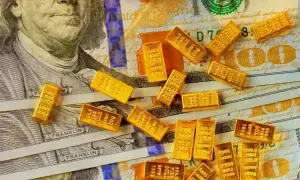
The move aims to stem a flourishing black market that has seen the local pound recently trade at around 400 to the dollar, while the official rate was fixed at 55 pounds to the greenback.
It is expected to substantially devalue the official exchange rate towards black market levels, sending some prices higher even as citizens grapple with an inflation rate that topped 300 percent last month.
The transitional government has decided to undertake policies "aimed at reforming and unifying the exchange rate system by applying a managed flexible exchange rate system," the central bank said in a statement.
Closing the yawning gap between the official and black market exchange rates is central to a reform programme agreed with the International Monetary Fund last year.
The central bank said its policy shift, which follows the recent appointment of a new cabinet tasked with tackling the economic crisis, is "imperative" to help achieve stability.
It is one of several painful IMF mandated reforms, which also include reducing costly subsidies, as authorities seek to secure debt relief and attract investment following the April 2019 ouster of autocrat Omar al-Bashir.
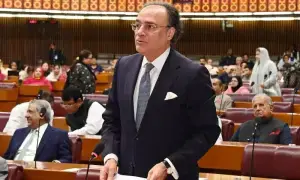
Newly-appointed finance minister Gibril Ibrahim urged citizens to tolerate the impact of the policy change, saying in a press conference on Sunday that it "will require a high patriotic spirit" and "cooperation."
Ominously for the transitional authorities, protests have already flared in recent weeks in several parts of Sudan over skyrocketing living costs, with demonstrators citing bread and medication shortages.
Sudan's economy was decimated by decades of US sanctions under Bashir, mismanagement and civil war, as well as the secession of oil-rich South Sudan in 2011.
The new exchange rate policy, the central bank said, would allow for the rate to be determined by supply and demand, but it would still intervene in the market.
In January, the IMF said it was "working very intensively with Sudan to build the preconditions for debt relief.
The US recently removed Sudan from its state sponsors of terrorism blacklist, another move Khartoum hopes will unlock debt relief and international funding.
The central bank's policy shift comes amid concern that Sudan's level of foreign currency holdings are approaching exhaustion.
The recent shortages in bread and also fuel point to the possibility of "severely lacking" foreign reserves, Mohamed el-Nayer, a Sudanese economist, told AFP.
Bashir's fall nearly two years ago came after months of protests against his autocratic rule that were triggered by his cash strapped government effectively trebling bread prices.
In October, Sudan signed a peace deal with rebel groups that observers hoped would end long-running conflicts in the country's far-flung regions.
Last month, the government approved this year's budget. It hopes to bring inflation down to 95 percent by the end of this year.



















Comments
Comments are closed for this article.