



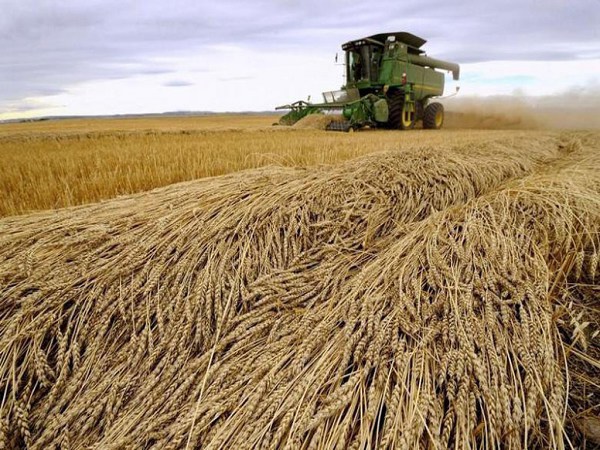
 HAMBURG/SYDNEY: US wheat futures rose on Thursday as the Indian government's decision to end wheat import duties boosted expectations of new global demand. Corn also rose while soybeans were weaker.
Most-active March wheat on the Chicago Board of Trade was up 1.4 percent to $4.06-3/4 a bushel at 1136 GMT. Wheat had dropped more than 1 percent on Wednesday on bumper global supplies.
"Wheat is seeing support today from the news that India is removing its wheat import tariffs," said Matt Ammermann, commodity risk manager for INTL FCStone. "Corn is seeing some follow through support from wheat and expectations of good US export sales."
January soybeans fell 0.5 percent to $10.43 a bushel and March corn rose 0.3 percent to $3.59-1/4 a bushel.
"Soybeans are a tick lower as weather in South America does not look too threatening and positioning is underway before the USDA (US Department of Agriculture) world supply and demand reports on Friday," Ammermann said.
The Indian government scrapped its 10 percent import duty on wheat on Thursday after droughts in the past two years depleted stocks and raised prices. Traders said the move could lift import purchases to their highest in a decade.
Indian wheat prices hit a record high last month. India's finance minister told parliament the latest cut was effective immediately with no end date.
"The Indian government's decision is likely to generate more wheat imports at a time of generally weak global demand," Ammermann said. "Now the question is all about timing on how much wheat and when India will import. Ukrainian wheat is still looking good but US wheat is looking competitive against Russia and Argentina in FOB terms.
"But there are still a lot of global supplies, big crops are known and so prices have been having a hard time holding any gains recently."
Soybeans fell as South American weather developments for the soybean crop are watched ahead of USDA harvest forecasts, he said.
"Drier conditions in Argentina with warmer temperatures are expected and rain in Argentina/Southern Brazil is needed for price weakness," he said. "But current (soybean) prices have a decent amount of fear factored in them already. Support is still coming from strong US soy export sales."
"Corn is up but to get price levels above resistance some weather risk has to surface. US corn is about the cheapest in FOB terms and looks in a good position to win new export sales."






















Comments
Comments are closed for this article.