NEW YORK: The euro hit an eight-week high against the dollar on Tuesday, giving a lift to stocks and commodities on signs a Greek bailout agreement could be reached later in the day.
The euro advanced after a Greek government official said Athens was preparing a document with a plan for painful reforms needed to clinch a new bailout package that would avoid a chaotic debt default.
"The Greek news removes a hurdle in the short term and eases the massive credit risk, and that's positive for the euro," said Boris Schlossberg, director for currency research at GFT in Jersey City.
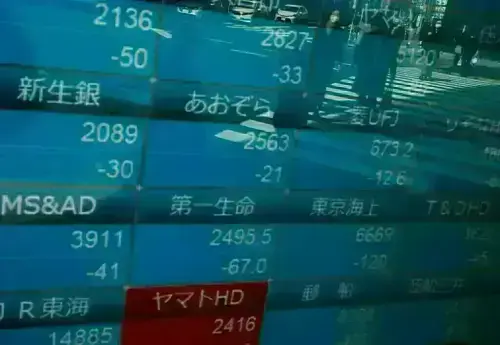
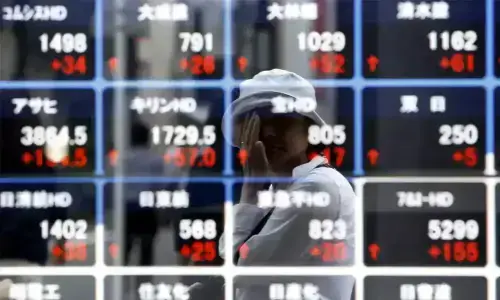
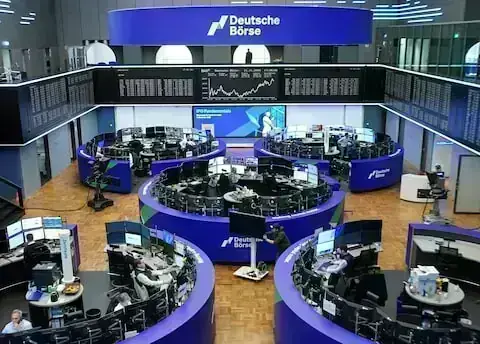
Consumer stocks led a rebound on Wall Street, offsetting declines in the energy and industrial sectors. In Europe, weak earnings from Swiss banking giant UBS underscored the financial sector's exposure to the debt crisis.
US Federal Reserve Chairman Ben Bernanke renewed a pledge to prevent Europe's crisis from damaging the US economy in Congressional testimony that mirrored his remarks last week, also helping sentiment for risk assets.
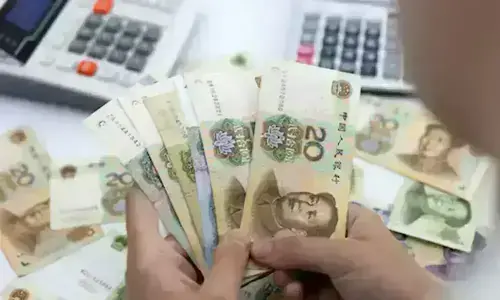
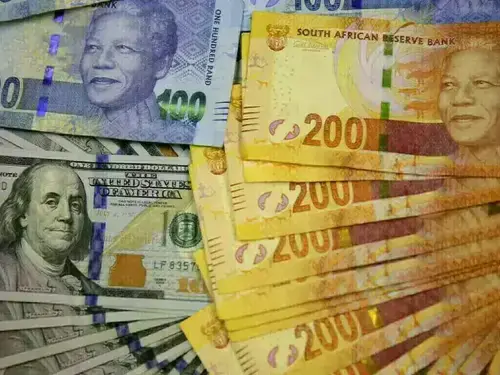
The euro jumped more than 1 percent to a session high of $1.3269, hitting its highest level since Dec. 12.
The single currency was also underpinned by short covering. Bets by traders the single currency would fall have been running a record levels according to data from the US Commodity Futures Trading Commission, although the positions were trimmed slightly in the latest week.
European stocks, up more than 6 percent for the year, fell as weak earnings from Swiss bank UBS AG signaled the debt crisis may wreak further damage on the banking sector.
UBS shares fell 1.5 percent in Zurich and 0.8 percent in New York, while the FTSEurofirst 300 index of top European shares pared losses as the euro rallied and was last down 0.3 percent.
On Wall Street, the KBW capital markets index fell 0.3 percent. Michael Sheldon, chief market strategist at RDM Financial in Westport, Connecticut, said US stocks were holding up despite profit-taking as investors bet a Greece deal would be completed.
"If investors thought the Greek talks were going to collapse, financial markets will be a lot weaker than they are," he said. Still, "a lasting solution continues to be something that is hard to come by."
At midday trading in New York, the Dow Jones industrial average rose 30.12 points, or 0.23 percent, to 12,875.25. The S&P 500 Index edged up 1.46 points, or 0.11 percent, to 1,345.79. The Nasdaq Composite gained 4.29 points, or 0.15 percent, to 2,906.28.

Global stocks added 0.3 percent, having gained almost 9 percent already in 2012.

COMMODITIES WHIPSAWED
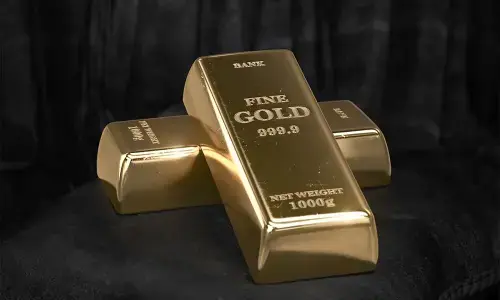
Gold prices pared earlier losses and bounced back into positive territory, in line with a rallying euro.
Spot gold was up 1 percent at $1,736.50 an ounce after falling as low as $1,709.29 an ounce, while US gold futures for February delivery were up 0.8 percent.
Brent crude rose 0.6 percent to $116.63 per barrel after touching a six-month high above $117 a barrel on supply worries.
US crude rose 1.7 percent to $98.53 after trading above $99 per barrel.