


The cost of impunity
Israel's escalating military operations in southern Lebanon and Gaza, despite ceasefires and diplomatic efforts, threaten regional stability, international law, and undermine the credibility of negotiations.
- Israel's expanded military actions in southern Lebanon and Gaza.
- The seizure of Beaufort Castle and plans for a Litani River buffer zone.
- The humanitarian crisis and civilian casualties in Gaza.
- International calls for urgent action and UN Security Council intervention.
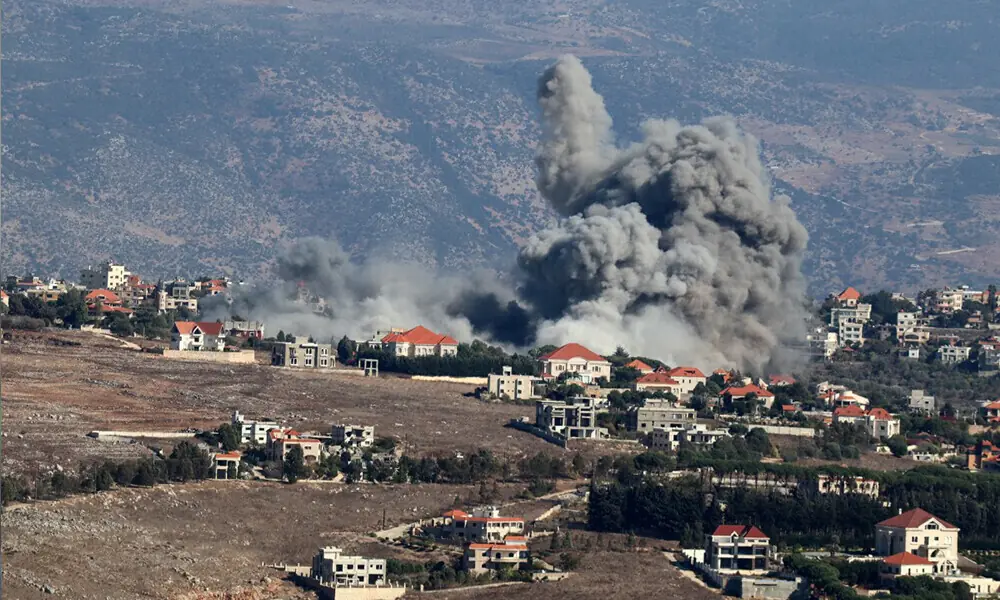
EDITORIAL: The latest escalation of Israeli military operations in southern Lebanon, despite a US-brokered ceasefire that was supposed to de-escalate tensions, raises serious concerns about regional stability, international law, and the credibility of diplomatic efforts.
Israel’s intensified air raids, expanded ground incursions, and repeated evacuation warnings to Lebanese villages constitute a deliberate strategy to alter realities on the ground through military force.
The recent seizure of the historic Beaufort Castle and Prime Minister Benjamin Netanyahu’s declaration that its capture represents a “dramatic stage and a dramatic shift” in Israeli policy have further heightened fears that the conflict is entering a more dangerous phase. His pledge to push deeper into Lebanese territory has fuelled widespread apprehension that Israel is pursuing its undisguised expansionist goals.
The stated plan to occupy territory up to the Litani River in order to establish a “defensive buffer zone” has revived painful memories of previous occupations and conflicts that brought immense suffering to the people of Lebanon.
At the same time, developments in Gaza paint a deeply troubling picture. Israel’s military has steadily expanded its control over 60 percent of the enclave with Netanyahu calling for 70 percent control, while military operations continue towards a complete takeover of the enclave despite the existence of a ceasefire arrangement. The continued loss of civilian lives and the destruction of homes and infrastructure have intensified the humanitarian crisis.
Reports of at least 930 Palestinian deaths and thousands of injuries since the Gaza ceasefire took effect last October underscore the urgent need for a durable cessation of hostilities and meaningful protection for civilians.
What makes the current situation particularly alarming is the apparent disconnect between ongoing diplomatic initiatives and realities on the battlefield. While Lebanese and Israeli delegations were still in Washington for US-sponsored discussions aimed at resolving the conflict, military operations continued to expand. Such actions risk undermining confidence in diplomacy and sending the message that negotiations are merely a cover for advancing military objectives. Lebanese Prime Minister Nawaf Salam’s description of Israel’s actions as a “scorched-earth policy” and “collective punishment” reflects the growing frustration felt across Lebanon.
Similar concerns have been voiced by numerous countries, including France and several Muslim-majority states, which have called for urgent international action. France’s push for an emergency meeting of the UN Security Council highlights the seriousness with which many governments view the unfolding crisis.
The broader international community must not remain passive. The principles of the UN Charter, respect for sovereignty, territorial integrity, and the protection of civilian populations in occupied lands are not optional standards to be applied selectively. If military force is allowed to redefine borders and political realities without meaningful accountability, the consequences will extend far beyond Lebanon and Gaza.
Sustainable peace in the Middle East cannot be achieved through occupation, territorial expansion, and the collective punishment of civilian populations. It requires adherence to international law, genuine diplomatic engagement, and equal application of legal and moral standards to all parties. The international community must act decisively to halt further escalation, protect civilians, and ensure that negotiations, rather than military might, determine the future of the region.
Copyright Business Recorder, 2026




















Comments