


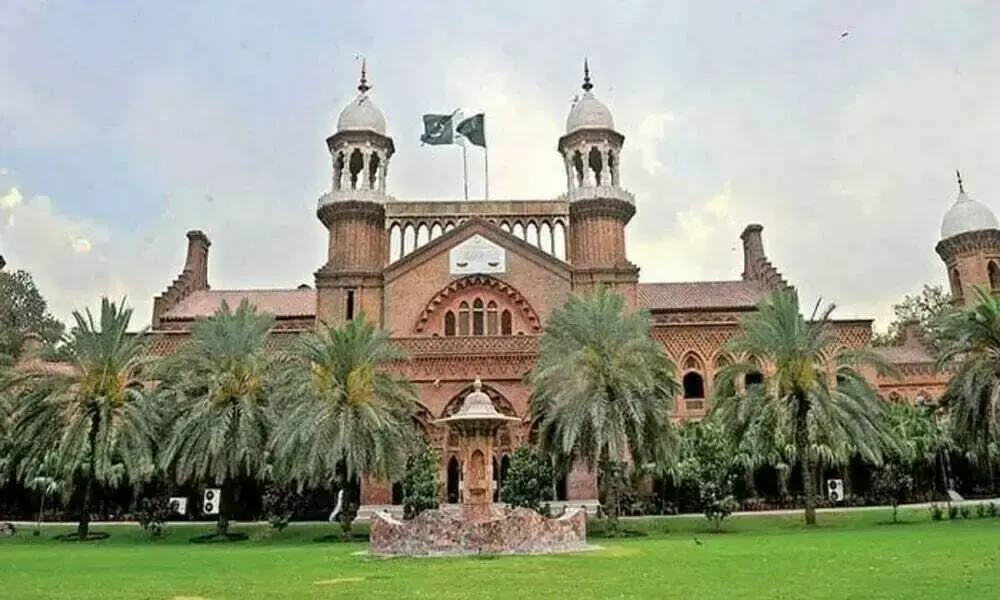
EDITORIAL: The disclosure before the Lahore High Court, during the recent hearing of a petition seeking the recovery of a woman’s daughter, that 3,258 women and girls had been reported missing across Punjab as of April 2026 should serve as a wake-up call for law enforcement agencies and policymakers alike.
While the recovery of 1,405 missing persons offers some reassurance, the fact that 1,853 women and girls remain untraced raises serious questions about the effectiveness of the mechanisms meant to protect vulnerable citizens. Lahore High Court Chief Justice Aalia Neelum’s observation that the non-recovery of so many missing girls reflects poorly on the performance of the Punjab Police is difficult to dispute.
The disappearance of women and children is not merely a law-and-order issue; it is a matter of public safety, human rights and public confidence in state institutions. Every missing girl represents a family living in uncertainty and anguish, often for years. Delays in investigation can significantly diminish the chances of recovery, making timely intervention imperative.
At the same time, the statistics presented by the police reveal a more complex reality than is often assumed. According to the DIG Investigation, nearly 80 percent of the recovered women and girls had entered into marriages of their own choice, resulting in the subsequent cancellation of kidnapping cases.
Another 15 percent voluntarily returned to their families. These figures suggest that many reported abductions may actually arise from family disputes, resistance to personal choices, or social pressures surrounding marriage and relationships.
However, these explanations must not become a pretext for institutional complacency. The large number of unresolved cases demands urgent attention. Among those who remain missing may be victims of trafficking, exploitation, forced marriage, abuse, or other serious crimes. The failure to trace them, in some cases for several years, points to shortcomings in investigation, coordination, and follow-up, requiring immediate remedial action.
In declining the police request for an additional two months, the court highlighted the prolonged delays that have marked many of these cases. As Chief Justice Neelum observed, years have already passed in numerous instances, and repeated extensions without tangible progress risk undermining public confidence. Her directive to submit a comprehensive progress report within 15 days reinforces the need for greater accountability and urgency.
A robust and responsive system is badly needed for dealing with such’ missing’ cases. Equally important is greater public awareness of legal rights, particularly the right of adult women to make personal choices free from coercion.
The figures presented before the Lahore High Court highlight not only a policing challenge but also a broader social problem. Effective law enforcement, coupled with respect for individual autonomy and stronger safeguards against exploitation, is essential to ensuring the safety, dignity, and rights of women and girls.
Copyright Business Recorder, 2026




















Comments