


EDITORIAL: Federal Minister for Power, Sardar Awais Khan Leghari, during a press conference on Sunday, acknowledged that “we have been trying for concessions in the form of debt re-profiling but sufficient results have not materialised yet.”
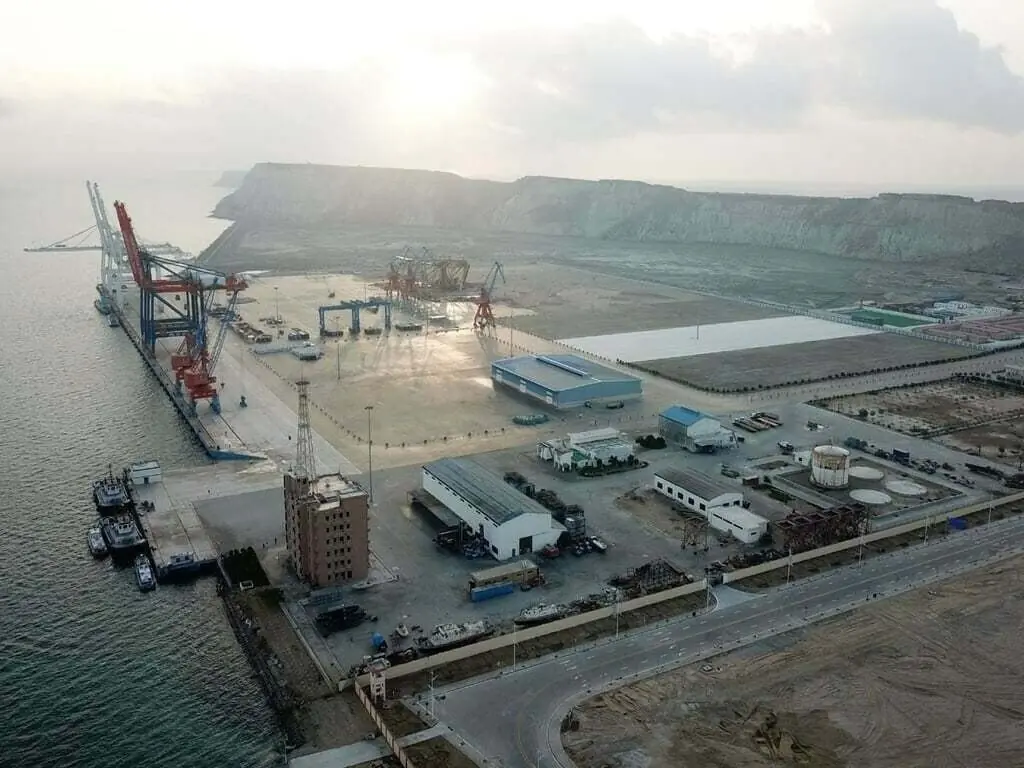
The reference is to the over 46 billion-dollar contracts signed under the umbrella of the China Pakistan Economic Corridor (CPEC), mainly Chinese Independent Power Producers (IPPs), during the visit of President Xi Jinping to Islamabad on 20-21 April 2015 during the government of Pakistan Muslim League-Nawaz (PML-N). The contracts were hailed at the time as a major source of foreign direct investment (FDI) into the country, a claim that had merit as at the time FDI was less than a billion dollars per year. The assumption was that higher supply of electricity would be absorbed by rising demand due to an optimistic projection of growth rate, that did not materialise. This optimism also accounted for contracting a Liquefied Natural Gas (LNG) contract with Qatar that, prior to the country declaring force majeure due to the ongoing Middle East conflict, accounted for diversion of more than half of the cargoes that had been contractually agreed that could not be absorbed with any difference of price between the rate agreed with Qatar and the sale of the cargo to be borne by Pakistan.
The contracts with Chinese IPPs therefore had the same clauses as those previously signed with other IPPs - during the Benazir Bhutto, Musharraf and Nawaz Sharif governments - notably take-or-pay, indicative of capacity payments to the IPPs irrespective of whether electricity was actually purchased as well as dollar indexation of payments. There has been an attempt by all administrations post Covid-19 to renegotiate terms with the IPPs. While local IPPs and those that had signed contracts under the 2022 and 2012 policies did renegotiate the terms (their contractual period was near completion though) with only a reported 43 paisa per unit reduction in tariffs, the Chinese IPPs have consistently refused to change the terms of the agreements, arguing that this would lead to renegotiations with other countries as well.
With the current fragile state of the economy where, by and large, the bulk of the country’s foreign exchange reserves are debt-based, poverty levels calculated at calorific value is at a high of over 42 percent, unemployment has risen to 22 percent if the Labour Force Survey is used as a yardstick (though the government claims it is around 7 to 8 percent) and the bulk of the employed – 93 percent of the workforce (excluding the 7 percent paid wages at the taxpayers’ expense and lucky enough to get a pay raise in excess of inflation) have not had a pay raise since almost the Covid-19 crisis of 2020.
There was some optimism that the recently concluded visit of Prime Minister Shehbaz Sharif’s high level delegation of which Leghari was a member, may succeed in convincing the Chinese to renegotiate but to no avail. To make matters worse, the government actively encouraged solar panels, which reduced grid demand, thereby raising capacity payments. It is critical that the government takes a holistic approach to this poorly managed sector and does not get side-tracked by following previous ad hoc measures, including (i) setting up a coal generation plant away from the source of coal that simply raised costs including health costs, (ii) borrowing or rescheduling loans (the government approved a 1.25 trillion-rupee loan recently whose costs are passed onto the hapless consumers and inexplicably gave rewards to those who proposed this measure).
To conclude, it is necessary for the government to focus on improving efficiency of this badly performing sector and till the expiry date of the Chinese IPPs do not focus on increasing supply from other than existing generation plants.
Copyright Business Recorder, 2026




















Comments