


Generating electricity from waste: better late than never
Pakistan's PM is pushing for waste-to-energy, a globally proven solution to address energy and waste crises. However, the country faces criticism for its delayed implementation of such established technologies.
- Pakistan's delayed adoption of waste-to-energy.
- Benefits of converting solid waste into electricity.
- Challenges in implementing waste-to-energy projects.
- Pakistan's historical reliance on imported fuels.
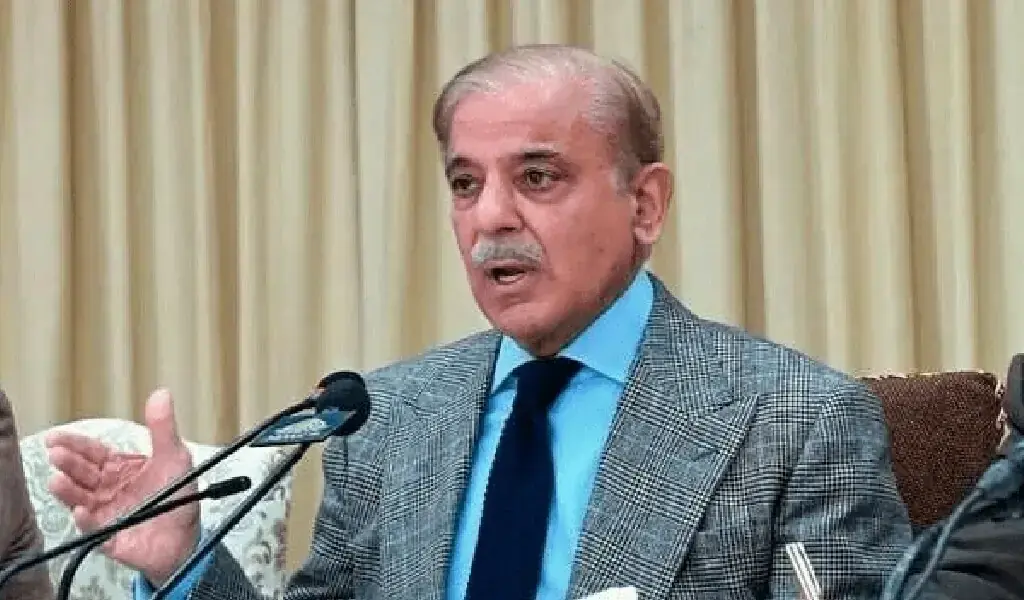
EDITORIAL: Prime Minister Shehbaz Sharif’s directive to prepare a roadmap for generating electricity from solid waste is difficult to criticise on substance because the logic behind the proposal has been globally established for years.
Countries across Europe and Asia have long integrated waste-to-energy technologies into broader urban management and energy strategies, reducing landfill dependence while generating electricity and lowering environmental damage.
The more uncomfortable question is why Pakistan is still discussing frameworks and task forces for ideas the rest of the world operationalised long ago.
Pakistan’s waste management systems remain deeply dysfunctional, major cities continue struggling with mounting garbage accumulation and the country’s energy sector remains trapped in an expensive dependence on imported fuels.
Converting solid waste into electricity addresses multiple pressures simultaneously. It reduces environmental strain, eases pressure on landfills and contributes to domestic energy generation at a time when every imported fuel shipment weighs heavily on the external account.
The prime minister is therefore correct to frame the issue as both an environmental and economic priority. Generating electricity from waste could indeed help reduce reliance on imported fuel and conserve foreign exchange. Yet the announcement also highlights a familiar pattern in policymaking.
Once again, Pakistan is preparing to study, consult and formulate roadmaps for technologies that have already matured internationally. Waste-to-energy systems are no longer experimental concepts requiring theoretical validation. Their operational, technical and financial frameworks are well understood. The challenge has always been implementation capacity and political continuity.
This is particularly important because Pakistan’s energy crisis did not emerge overnight. For decades, policymakers prioritised imported fuel-based generation models while renewable alternatives remained underdeveloped despite the country’s obvious natural advantages in solar and wind energy. Had investment decisions during earlier phases of the IPP expansion incorporated stronger commitments to renewable infrastructure and waste-based energy generation, today’s circular debt burden and fuel vulnerability would likely look far less severe.
There is also a broader governance lesson here. Pakistan often identifies the correct priorities eventually, but only after years of delay during which costs compound significantly. Urban waste accumulation, energy insecurity and environmental degradation were visible problems long before this latest initiative. Earlier action would have reduced both economic and ecological pressures.
There are also practical considerations that require immediate attention. Waste segregation systems remain weak, municipal coordination is poor and local governments often lack both technical and financial capacity. Still, the broader direction is correct. Pakistan cannot continue relying exclusively on imported fossil fuels while simultaneously ignoring domestic renewable potential and urban waste mismanagement. The country needs diversified energy sources, modern urban infrastructure and policies aligned with long-term sustainability rather than short-term crisis management.
Copyright Business Recorder, 2026




















Comments