



 RIO DE JANEIRO: Latin American currencies were little changed or weaker on Friday as investors grew increasingly worried that governments will intervene in the market to offset capital inflows resulting from US and European stimulus measures.
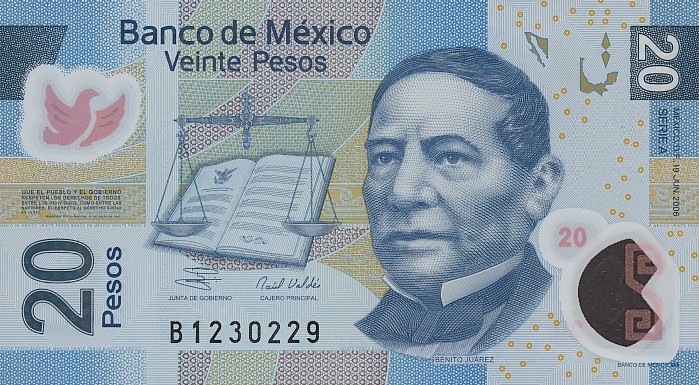
The Mexican peso, one of the few currencies in the region that investors consider free of intervention risk, gained slightly on a report that Spain was preparing to meet conditions for an international rescue program.
The report, although denied by the Spanish government, raised hopes that euro zone authorities are taking the right steps to stop the spread of the crisis.
The peso erased most gains in the afternoon, however.
The Brazilian real held steady for the fourth consecutive session, bid at around 2.02 per dollar, as Finance Minister Guido Mantega threatened to make use of short-term capital controls to curb any currency gains that could hurt exporters.
"Selling the dollar and buying the real is a global trend. But local investors are not following that, they are mindful of the intervention threats from the Brazilian authorities," said Alfredo Barbutti, chief economist at BGC Liquidez brokerage in Sao Paulo.
Brazilian policymakers intervened heavily in the foreign exchange market last week and on Monday to offset the appreciation trend stoked by recently unveiled US monetary stimulus. The bank has refrained from intervening since then, but it is widely expected to act again if the real firms significantly.
So far, the Brazilian central bank has been able to keep the real weaker than 2 per dollar since early July with the sale of reverse currency swaps -- derivatives contracts that emulate the purchase of dollars in the futures market.
If dollar inflows pick up, however, it may resume outright dollar purchases in the spot market. If that fails, investors can probably count on the Finance Ministry to raise financial taxes on short-term capital flows.
In Chile, the peso lost 0.6 percent to 473.20 per dollar after it failed to break the psychological barrier of 430 per greenback. With gains of more than 10 percent so far in the year, it is among the currencies that strengthened the most in 2012.
"Traders are hesitant to add long positions below 470 on fear of intervention," said Katia Diaz, an economist with 4CAST in New York.
The Chilean central bank is increasingly expected to voice its concern over an over-valued currency before intervening in the market, analysts said. A trigger for central bank action could be a peso at 460 per dollar, they added.




















Comments
Comments are closed for this article.