



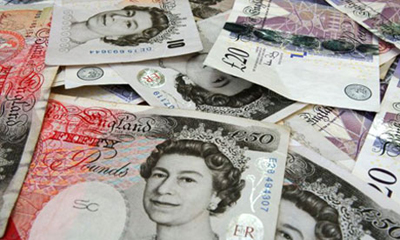
 LONDON: Sterling headed towards its highest level against the euro in three and a half years on Friday as the single currency struggled after a European Central Bank rate cut the previous day.
The UK currency's gains against the euro helped it advance against the dollar and offset some of the impact from the Bank of England's decision to inject more stimulus into the economy on Thursday. Most traders were wary of taking large positions ahead of US non-farm payrolls data due at 1230 GMT.
Analysts turned slightly more bullish on the sluggish US labour market after private employers stepped up hiring in June, adding 176,000 new workers, according to data on Thursday. That suggested Friday's figures may also come in better than initially expected.
In response to the stronger number, Goldman Sachs raised its forecast for the non-farm payrolls to a 125,000 gain from 75,000. Any disappointment could support speculation that the Federal Reserve will resort to more quantitative easing, a factor that could weigh on the dollar in the near term.
The euro fell against sterling to 79.615 pence, - its lowest level in five weeks- and putting it very close to a low of 79.505 reached in mid-May, below which would mark its weakest since the aftermath of Lehman's collapse in 2008.
On Friday, the euro was nursing heavy losses after falling sharply on Thursday following the ECB's decision to lower its refinance and deposit rates. The rate cuts may result in the euro vying with the dollar as the currency of choice for funding purchases of higher-yielding assets.
"By cutting the deposit rate, the ECB has made the euro the funding currency of choice," said Ned Rumpeltin, G10 currency strategist at Standard Chartered Bank.
"We see the euro staying under pressure against sterling and the dollar. But sterling/dollar will be dragged down along with euro/dollar as euro zone risks dominate."
The euro zone is the UK's largest trading partner and British banks have a huge exposure to the currency bloc. So while the pound is sought after by investors seeking to flee the euro zone debt crisis, against the safe-haven dollar, it usually underperforms.
RISKS OF A MOVE LOWER
On Friday, sterling was marginally higher against the dollar, taking a breather after four straight days of losses. It was trading at $1.5545, with near-term support at its June 28 low of $1.5485.
Still, it was on track for its biggest weekly loss since early June, hurt in part by the BoE's decision to opt for more additional stimulus and signs of further weakness in the UK manufacturing and services sectors.
The BoE on Thursday increased asset purchases under its quantitative easing programme by 50 billion pounds over the next four months to aid the flagging economy.
Analysts now expect the BoE to hold off on more money printing, at least until towards the end of the year.
That could depress demand for UK government bonds as a recent rally in prices pauses.
"We expect sterling/dollar to drop towards $1.54-1.53," said Peter Kinsella, currency strategist at Commerzbank.
"The foreign flows into UK gilts that we saw earlier in the year and which underpinned the pound are showing signs of waning and that will weigh."
Standard Chartered's Rumpeltin added that barring a very disappointing US jobs number, the US Federal Reserve was unlikely to opt for more quantitative easing (QE) in the near term. He expected the dollar to be supported if expectations of more QE waned.




















Comments
Comments are closed for this article.