


 JAKARTA: The European Union's proposal to impose anti-subsidy duties on Indonesian biodiesel is part of a "grand design" to block palm oil, a senior official at Indonesia's Trade Ministry said on Friday.
Earlier this week the European Commission proposed duties ranging from 8% to 18% on imports of biodiesel from Indonesia to counter what it says are unfair subsidies.
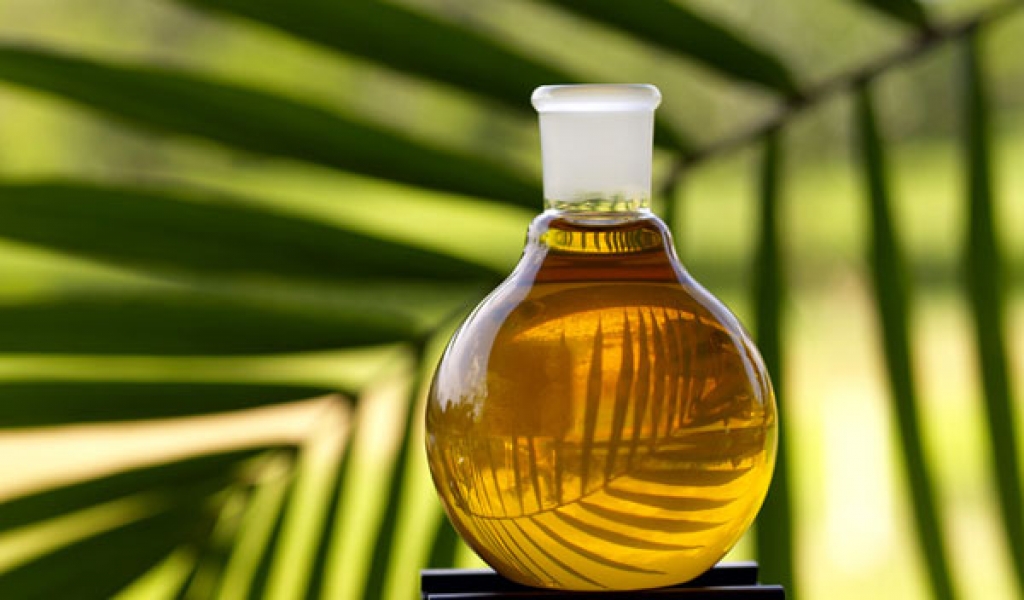
Biodiesel from Indonesia is mostly made from palm oil, which the EU said in March it will no longer consider as an environmentally sustainable source of fuel and it should be phased out of renewable transportation fuels.
"This is a structured, systematic and massive grand design," said Pradnyawati, the director of trade security at Indonesia's Trade Ministry. "The point is they don't want vegetable oils produced from European soil rivalled by vegetable oil produced by tropical countries."
The EU has said there is evidence that Indonesian producers benefited from subsidies in the form of export financing, tax breaks and provision of palm oil, the key raw material, at artificially low prices.
The EU began looking into biodiesel from Argentina and Indonesia in 2012 and imposed anti-dumping duties on companies from both major producers in 2013.
However, the exporters won challenges at the World Trade Organization and the European Court of Justice. This prompted the EU to remove duties on most biodiesel imports from the two countries, resulting in a surge in imports.
In 2018, Indonesia shipped 807,439 tonnes of unblended biodiesel to EU countries, such as Spain, the Netherlands and Italy, according to data from the Indonesian statistic agency.
Following the anti-dumping duties removal, the European Commission started an investigation into possible unfair subsidies.
Indonesian biodiesel exporters filed their rebuttal to the allegation on Friday, Pradnyawati said. While the Indonesian government is waiting for official document on the EU's preliminary determination before it sends a response.
Indonesia's biofuel producers association has said the allegations were "totally untrue".
The EU measures are provisional pending the conclusion of the EU investigation and will apply from Sept. 6. Definitive duties, typically applied for five years at the end of an investigation, would need to be set by Jan. 4, 2020.
The measures can be blocked by EU member countries.
Indonesia has accused the EU of being "discriminatory" against palm oil. Pradnyawati said it hampers closer relations between the country and the group.
"How can we improve our relationship to closer ties if they keep bothering our exports," she said.



















Comments
Comments are closed for this article.