



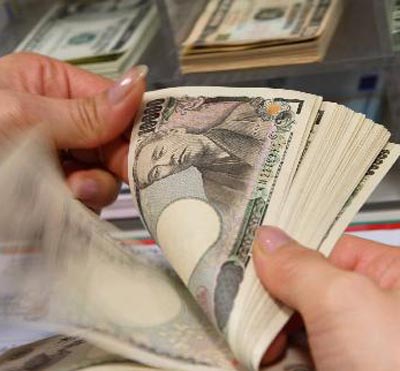
 TOKYO: The Bank of Japan on Tuesday boosted a loan programme by almost $25 billion as part of efforts to kickstart the economy, while leaving the key interest rate unchanged at between zero and 0.1 percent.
The central bank also said the country's sluggish economy has shown signs of picking up as it announced a one-year extension to a loan programme for banks in areas hit by last year's earthquake and tsunami.
The BoJ said it would hike a lending programme by about 2.0 trillion yen ($24.4 billion) to 5.5 trillion yen, amid reconstruction efforts seen as crucial to reviving the disaster-struck economy.
"Japan's economy is expected to gradually emerge from the current phase of flat growth and return to a moderate recovery path as the pace of recovery in overseas markets picks up," it said in a statement.
However the bank warned that there remains a "high degree of uncertainty" over the health of global financial markets, while a high yen and slackening demand overseas has dented exports.
Japan has seen a mixed bag of economic data lately, clouding the picture for its economy. The country logged its biggest ever trade deficit in January as exports stuttered, but revised gross domestic product data revealed the economy contracted less than first thought.
Last month, the bank said it would increase its asset purchase programme by 10 trillion yen ($122 billion) to about 65 trillion yen as it looked to combat the stubborn deflation that has haunted Japan's economy for years.
Deflation continues to pose a threat to Japan's recovery as a fall in general prices cuts into corporate profits, leading firms to slash jobs and put off capital investment that generates growth.
It also hurts demand because it encourages consumers to put off purchases. The BoJ move in February would see the bank buy financial assets such as government bonds and commercial paper from financial institutions, effectively providing more money to banks who can then lend to cash-strapped firms.
The central bank has been forced to resort to the unconventional measure as its ability to free up money has been limited since interest rates were cut to zero to 0.1 percent at the end of 2008 during the global financial crisis.
Despite expectations from some market players, the bank left the asset purchase plan unchanged after its two-day policy meeting wrapped up Tuesday.





















Comments
Comments are closed for this article.