


The dollar fell against the Japanese yen on Monday as worries about escalating trade tensions between the United States and other leading economies kept risk appetite in check. The greenback was down 0.3 percent at 109.63 yen, after slipping to a two-week low of 109.38 earlier in the session.
The US Treasury Department is drafting curbs that would block firms with at least 25 percent Chinese ownership from buying US companies with "industrially significant technology," a government official briefed on the matter said on Sunday.
US Treasury Secretary Steven Mnuchin said on Monday that forthcoming investment restrictions from the Treasury will not be specific to China but would apply "to all countries that are trying to steal our technology." nL1N1TR0QA]
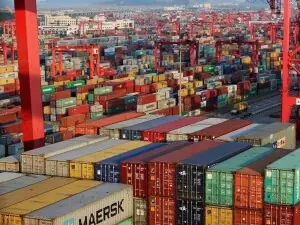
The news added to the sense of caution felt after US President Donald Trump on Friday threatened to impose a 20 percent tariff on cars imported from the European Union. The EU said it would be forced to retaliate.
"A new week is underway and yet the same concerns remain as Donald Trump ramps up trade threats against China and the EU (European Union) which continues to take its toll on risk appetite," Craig Erlam, senior market analyst at OANDA in London, said in a note to clients.
The yen tends to benefit during geopolitical or financial stress as Japan is the world's biggest creditor nation and there is an assumption that Japanese investors will repatriate funds should a crisis materialize.
The dollar index, which measures the greenback against a basket of six major currencies, was down 0.12 percent at 94.408.
China's yuan on Monday ended the official domestic trading session at its lowest in six months after the central bank cut reserve requirements for some banks to boost lending.
The euro was 0.25 percent higher against the greenback at $1.1684, after hitting a more than one-week high of 1.1701.
The euro's gains come after it strengthened on Friday following improved regional economic growth data and new assurances by Italian politicians that their nation would not leave the single currency.

















Comments
Comments are closed for this article.