


Pakistan cannot have a policy based on 70 years of assumptions and fears. This kind of thinking needs to be re-shaped in the context of a regional policy and will require a powerful introspection over a strategic policy which encompasses all the key elements of Pakistani society. This was stated by Shuja Nawaz, distinguished fellow at the South Asia Centre of the Atlantic Council in Washington DC, during a public talk on "Trump Administration: Emerging Opportunities for South Asia" organised by the Institute of Strategic Studies Islamabad (ISSI) today under its distinguished lecture series.
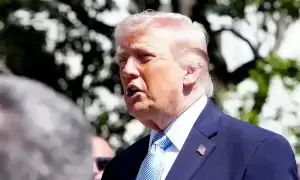
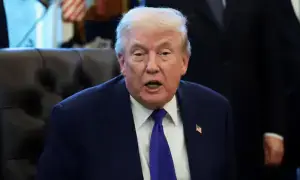
Shuja Nawaz acknowledged that President Trump had changed the political thinking in the United States, a change that was a long time coming because both political parties had lost their bearings and become complacent. He went on to highlight some of the key elements of Trump's campaign and pointed out that a major contributor to Trump's win was his campaign in the countryside.
Talking about South Asia, Shuja pointed out that under the new US administration, there will be a very different kind of relationship of the US with the region, a policy of a greater South Asia.
Shuja asserted that it is very critical that leaders in South Asia, particularly Pakistan, should pre-empt President Trump and make decisions which are good for their countries. Moreover, this offers them a great opportunity to try and wean themselves off the addiction to US assistance.
He stated that Pakistan and Afghanistan need to re-think their trade strategy and engage in the easiest, cheapest and fastest way for both economies to grow. He also pointed out that the leverage Pakistan will gain by providing transit gas from Iran will be paramount and remains a game changer for Pakistan to explore.
Towards the end, he stressed on the importance for Pakistan of transforming the economy and believed that if growth returns, Pakistan's security would automatically improve. Earlier ambassador Khalid Mahmood, chairman board of governors of ISSI, in his welcome remarks said that the aftershocks of the US elections are still being felt the world over.
Even though South Asia did not figure prominently during the election campaign, its significance has not diminished. Contrary to how India is seen, Pakistan is regarded only through a security lens in terms of terrorism, the Afghan settlement and nuclear technology. He said that Trump's entire negative prognosis has only further fuelled tensions in the region. He echoed Shuja that the present lack of focus on South Asia presently provides the region an opportunity to pre-empt the Trump administration and come up with a holistic policy for the greater good of the region.-PR
















Comments
Comments are closed for this article.