


China said on Monday it will stick to its opening up policy and "going out" strategy on investment even while a slide in the yuan to 8-1/2-year lows revives worries about capital fleeing the country. Officials from the National Development and Reform Commission, the Ministry of Commerce, the People's Bank of China and the State Administration of Foreign Exchange said the country will continue to encourage healthy development of outbound investment, the official Xinhua news agency reported.
The Wall Street Journal reported on Friday that China plans to tighten controls on companies looking to invest abroad in an effort to slow surging outflows. While Beijing has been busily damming up official channels for money to leave China, more funds than ever are leaking out through shady means as investors flee the country's slowing economy and weakening currency, financial industry executives say.
The onshore yuan strengthened to 6.9024 per dollar by midday from Friday's closing price of 6.9170, with traders saying state-owned banks were seen selling dollars. The yuan has fallen more than 6 percent versus the dollar this year, but has been relatively stable against a basket of currencies. The surge in overseas investment heightens foreign exchange risks but also poses potential threats to China's financial system if these deals start to go bad, analysts at China International Capital Corporation said in a note on Monday.
"Emerging markets' experience has repeatedly shown that one-way currency bets, on appreciation or depreciation, tend to be followed by substantial losses to local financial institutions," CICC analysts wrote. "In other words, reckless overseas investment could threaten financial stability." Though still the world's largest, China's foreign currency reserves have fallen to their lowest since March 2011, with the PBOC widely believed to have sold dollars to cushion the yuan's decline.
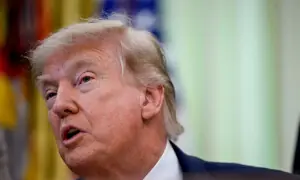
Pressure on the yuan and other emerging market currencies has intensified in recent weeks as the dollar surged on expectations that US President-elect Donald Trump will ramp up fiscal spending to boost the economy. China's central bank has urged commercial banks in Shanghai to guard against money outflows via the Shanghai Free Trade Zone (FTZ) disguised as foreign investment, two sources with knowledge of the instructions said on Friday. The central bank said it was unable to comment on reports of tighter controls on overseas investments.















Comments
Comments are closed for this article.