



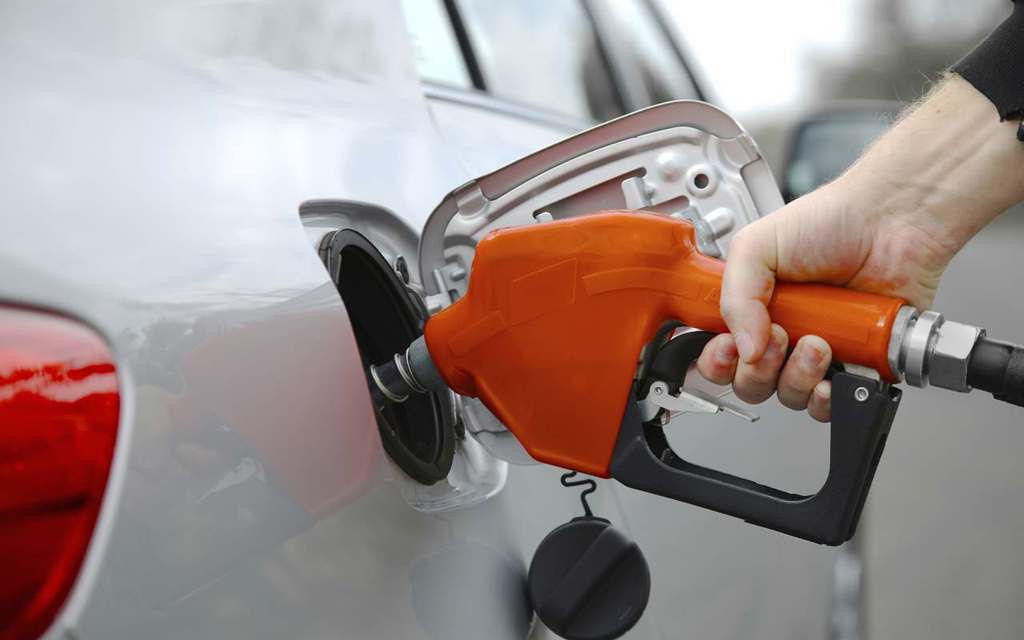
 TUNIS: Tunisia raised fuel prices on Friday by 4 percent, the third hike this year as the government seeks to a cut budget deficit, a key requirement of international lenders.
The price of a litre of petrol will rise to 1.925 Tunisian dinars ($0.741) from 1.85 dinars, starting Saturday, the energy ministry said in a statement. The two previous increases this year were in March and January.
The International Monetary Fund urged Tunisia this year to raise energy prices and the retirement age to help curb the budget deficit and said any further public wage hikes would be difficult to sustain given weak growth.
Fuel subsidies this year will rise from an expected 1.5 billion dinars ($578 million) to 4 billion dinars with the rise of world oil prices, economic reforms minister Taoufik Rajhi said earlier this month. Tunisia has forecast that the budget deficit will fall to 4.9 percent of gross domestic product in 2018, from about 6 percent in 2017.
Tunisia has dropped into a deep economic slump following the overthrow in 2011 of autocratic leader Zine El-Abidine Ben Ali.
Although its successful democratic transition since then contrasts with other "Arab Spring" countries, nine governments have failed to cut the budget deficit and revive an economy hit by a lack of investment.










Comments
Comments are closed for this article.