



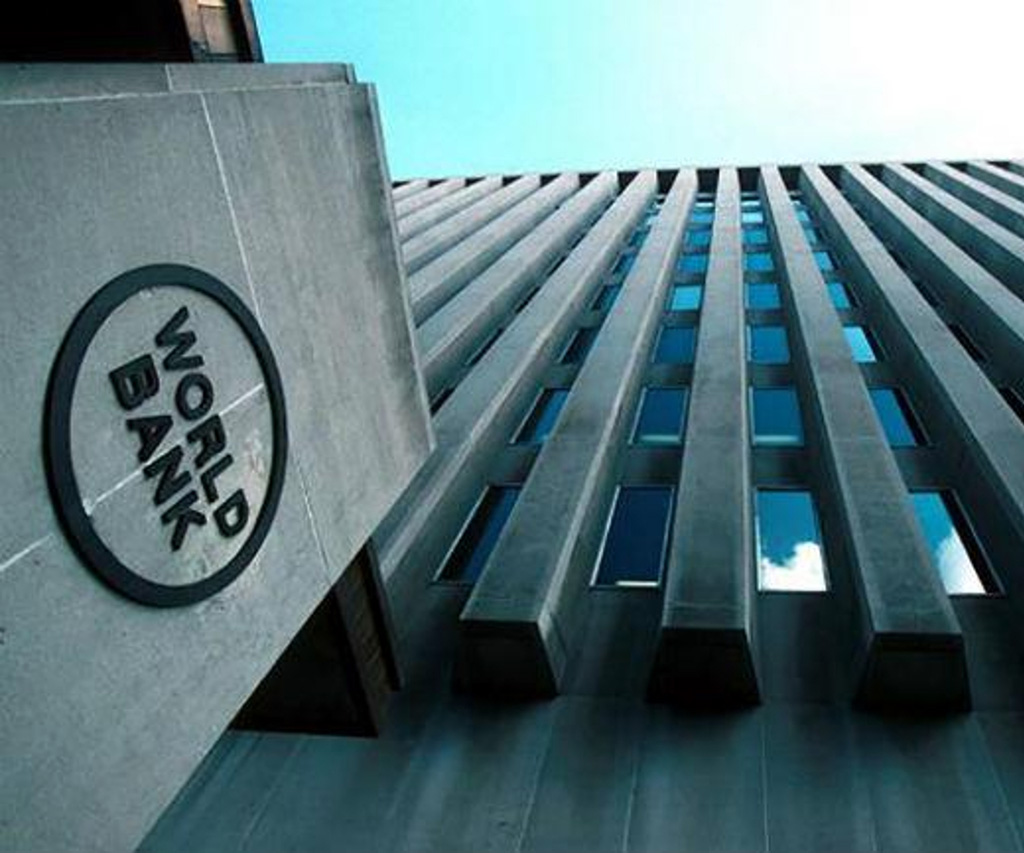
 PESHAWAR: The World Bank is committing $728 million through four projects to put Pakistan on the path of climate resilient development which will benefit millions of its citizens.
These projects will protect the environment and improve the quality of life in cities while being engines of growth and promoting sustainable water management through efficient irrigation, robust weather forecasting and improved disaster preparedness.
“The projects offer wide ranging support to address climate vulnerability and variability by strengthening institutions and systems and investing in priority infrastructure in rural and urban areas,” said Illango Patchamuthu, World Bank Country Director for Pakistan. “Millions of Pakistanis will benefit from improved irrigation, weather services, and resilience to natural disasters.
At the same time, Punjab’s cities will benefit from investments to improve infrastructure and local services while protecting its environment.”
The $188 million Hydro met and Disaster Risk Management Services Project will help Pakistan deliver more reliable and timely weather forecasting and disaster risk management services. Pakistan suffered US$18 billion losses between 2005 and 2014 (US$10.5 billion from the 2010 floods alone) due to the adverse impact of climate change.
The project will help increase preparation for and resilience to natural disasters and climate change, as well as improve water management for agriculture.
The Sindh Barrages Improvement Project will benefit from $140 million in additional financing to help improve the reliability and safety of the Guddu and Sukkur Barrages and strengthen the Sindh Irrigation
Department’s ability to operate and manage them. The rehabilitation and modernization of Sukkur Barrage will provide reliable water supply to 14 canals and reduce floods. This project will also ensure the barrage’s capacity to safely pass floods up to 1.3 million cusecs. This will be achieved under the oversight of a newly-established Barrage Monitoring Unit.
The $200 million Punjab Green Development Program will strengthen the province’s environmental management through empowering its departments to provide better environmental services to citizens and the private sector, with a focus on strengthening the capacity of the Environment Protection Department.
It will help modernize laws and regulations and promote investments in cleaner technologies to reduce air and water pollution.
The $200 million Punjab Cities Program will benefit 4.1 million people in 16 urban areas by strengthening local governments’ ability to deliver basic and green infrastructure. The program will also build systems to improve transparency, accountability, and responsiveness of municipal committees and other structures.






















Comments
Comments are closed for this article.