



Pakistan’s oil marketing sector continues to show signs of weak underlying demand despite a modest increase in cumulative petroleum sales during 4MFY27. Total petroleum sales reached 5.59 million tons in July-October FY27, up 4 percent year-on-year. However, much of this growth came from furnace oil (FO), while demand for petrol and high-speed diesel (HSD) remained subdued.
In Oct-26, petroleum sales stood at 1.48 million tons, declining by 1 percent year-on-year but increasing by 10 percent month-on-month. Excluding furnace oil, sales fell by 6 percent year-on-year. The picture is similar for 4MFY27, where sales excluding furnace oil declined by 2 percent. This suggests that the improvement in headline volumes is not necessarily reflecting a broader recovery in economic activity.
Petrol sales declined by 2 percent year-on-year in Oct-26, while HSD sales fell by 7 percent. However, diesel consumption increased by 26 percent month-on-month, largely due to seasonal agricultural demand associated with the Rabi sowing season. During 4MFY27, petrol sales increased by a modest 2 percent, while HSD volumes declined by 4 percent.
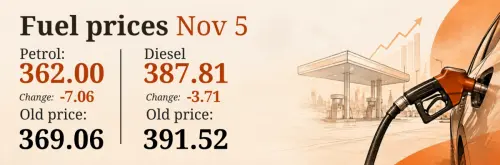
Higher petroleum prices continue to weigh on consumption. Average petrol prices in Oct-26 were around Rs387 per litre, up 46 percent year-on-year, while diesel averaged Rs396 per litre, increasing by approximately 45 percent. These elevated prices are affecting consumer mobility, freight activity and transportation costs, limiting any meaningful recovery in demand.
Meanwhile, furnace oil remains the key driver of petroleum sales growth. FO consumption increased more than threefold year-on-year to 95,000 tons in Oct-26, while cumulative sales during 4MFY27 increased nearly five times last year’s level. The increase is primarily linked to disruptions in RLNG supplies, forcing the power sector to rely more heavily on furnace oil for electricity generation. This is hardly an encouraging development from an energy-cost perspective, as the shift reflects supply constraints rather than stronger industrial demand.
The refinery sector also witnessed improved activity. Refinery production increased by 9.2 percent year-on-year in Oct-26, with furnace oil production rising by 52 percent. In contrast, petrol production declined by 9.5 percent and diesel production by 1.5 percent. During 4MFY27, total refinery production increased by nearly 20 percent, supported by higher crude availability and improved utilization. However, the growing share of furnace oil highlights the continuing need for refinery upgrades to produce more high-value petroleum products.
Interestingly, weak underlying petroleum demand has not prevented a significant improvement in OMC profitability. Listed OMC sector earnings surged by 144 percent year-on-year in 1QFY27, while revenues increased by 18 percent. Gross profits improved significantly, largely supported by higher petroleum prices and inventory gains. The improvement, therefore, was driven more by pricing and inventory gains than a sustained recovery in demand.
On the regulatory side, dealer margins have been increased, while OMC margins remain unchanged, with further revisions linked to supply-chain automation requirements. This distinction matters because higher operating and financing costs continue to pressure distributors.
In the coming months, the sector’s recovery will depend on fuel prices, agricultural activity and broader economic demand. While furnace oil may continue supporting headline volumes, a meaningful recovery requires sustained growth in petrol and diesel consumption which will continue to be dampened by higher retail fuel prices.

















Comments