



With pipeline gas dwindling and LNG scarce, households and small eateries increasingly depend on LPG. Closing the Iran supply route before winter risks turning an energy shortage into a cooking-fuel crisis
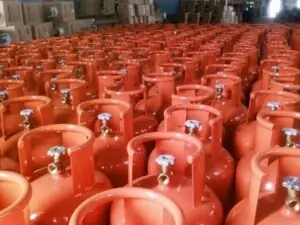
Pakistan is heading into winter with less gas and too little preparation. Imported LNG is short, domestic pipeline supply is falling, and households and small businesses increasingly depend on liquefied petroleum gas for cooking. LPG supplies less than 5 percent of primary energy, but that understates its importance. A shortage may barely register in the national energy balance while causing considerable trouble in the kitchen.
The first problem is that nobody has a reliable measure of how much LPG the country consumes, or how many people depend on it. Official domestic production is around 2,200 tonnes a day. The balance comes from imports, some by sea, but much of it overland from Iran, through both formal trade and smuggling.
That land route has now been shut, without warning or an adequate replacement supply plan. Prices have jumped, and traders have little certainty about when supplies might resume. Closing a major source of cooking fuel just before peak demand was always going to have consequences. Consumers are beginning to discover them.
The petroleum ministry’s answer is to accelerate deregulation. The reform is overdue: a pricing regime that makes formal imports commercially unattractive leaves the market dependent on informal supply. But changing the rules will take time to bring additional cargoes, investment and competition. It is no substitute for securing fuel this winter.
The pricing problem is straightforward. Ogra set the October price at around Rs280 per kg, using Saudi free-on-board prices without adequately allowing for Pakistan-specific freight and insurance costs. Formal importers say they cannot bring in gas commercially at that price. Informal suppliers, some of whom also evade taxes, have consequently filled much of the gap.
The border closure has exposed this arrangement. Reported retail prices have climbed to Rs600–700 per kg, while the regulated domestic producer price remains around Rs280. The official price has become increasingly detached from what consumers actually pay.
The sums are substantial. Applied to domestic production of 2,200 tonnes a day, the reported difference between producer and retail prices implies a gross spread exceeding Rs700m daily, before transport, distribution and other costs. That is not a measure of net profit, and prices vary across markets. It is nevertheless a reason to examine who is capturing the scarcity premium.
A price ceiling that discourages replacement imports while failing to restrain retail prices offers consumers little protection. Domestic supply remains cheap at one end of the chain and expensive at the other. Somewhere between the two, the benefits of regulation disappear.
Government sources estimate winter demand at 6,000–7,000 tonnes a day. Informal traders put it closer to 10,000. Neither estimate inspires much confidence in a market with such weak visibility. LNG shortages could push more consumers towards cylinders, making it especially risky to plan around the lower figure.
The Sui gas companies intend to divert gas from power generation to households. That may ease pressure on cooking fuel, but it shifts the shortage elsewhere. Depending on replacement generation and fuel availability, the result could be more expensive electricity or additional load-shedding. Buying spot LNG would also carry a cost. There is no painless rearrangement of an inadequate fuel supply.
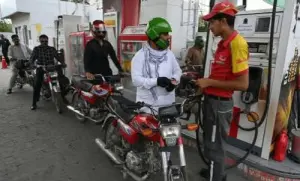
The damage extends beyond household budgets. Small restaurants, roadside eateries and food vendors, rely heavily on LPG. Higher fuel costs squeeze their margins and feed into meal prices. Interrupted supplies reduce operating hours and threaten employment. Households without pipeline gas face a more basic problem: having food is of limited comfort when cooking it becomes unaffordable.
These consumers have fewer ways to absorb the shock. A large hotel can invest in alternative equipment and negotiate supply arrangements. A small eatery or a household buying cylinders has much less room to manoeuvre.
The government should also review how its fuel levies interact with the shortage. Where furnace oil or diesel must replace gas in power generation, taxation adds to an already expensive adjustment. Any temporary relief would need to be assessed against its fiscal cost and passed through to consumers. But maintaining every levy unchanged while fuel availability deteriorates is hardly a coherent energy response.
The finance minister’s emphasis on basic macroeconomic hygiene has its place. It does not answer the immediate question of how households will cook this winter. An economy can meet its fiscal targets while making daily life substantially harder for people whose hardship is poorly captured by the headline numbers.
The immediate task is to restore predictable LPG supplies. Islamabad should reopen a workable, monitored trade route with Iran and facilitate replacement imports by sea. It should investigate withholding, collusion and excessive intermediation margins, with recovery or taxation of identifiable windfalls where the evidence supports it. Announcing a windfall tax is easier than collecting one from an opaque supply chain.
Deregulation should proceed alongside better reporting of imports, stocks and retail prices. Formal suppliers need a commercially workable route into the market, and consumers need competition that reaches the cylinder.
The macroeconomic cost of a cooking-gas shortage may look modest. The human cost will not. Islamabad has had ample warning that pipeline supply is declining and LPG dependence is growing. A winter shortage compounded by its own supply decisions would be a policy failure.
Copyright Business Recorder, 2026

Ali Khizar is the Director of Research at Business Recorder. His Twitter handle is @AliKhizar












Comments