



The Hub Power Company Limited (PSX: HUBC) posted a 10 percent year-on-year increase in consolidated profits of Rs12.8 billion during the first quarter of FY27 year-on-year. Earnings were supported by higher power generation, increased earnings from associates and lower finance costs. The company also announced an interim cash dividend of Rs5 per share, maintaining its payout for the fifth consecutive quarter.The latest performance follows a strong FY26, when HUBC recorded consolidated earnings of approximately Rs49.6 billion.
During 1QFY27, consolidated revenue increased 27 percent year-on-year, driven by higher power generation across its portfolio. However, cost of sales rose 44 percent, restricting gross profit growth to 5 percent. Consequently, gross margins narrowed to 36.2 percent from 43.6 percent a year earlier.
Combined generation across the company’s power portfolio increased 75 percent to approximately 2,311GWh. CPHGC recorded a particularly sharp increase in generation, while TEL and TNPTL maintained healthy utilization levels of 88 percent and 83 percent, respectively. Narowal and Laraib also benefited from improved dispatch amid higher thermal power demand.
Meanwhile, HUBC’s share of profit from associates and joint ventures increased 18 percent in 1QFY27, remaining a major contributor to consolidated profitability. Other income increased 12 percent, while finance costs declined 13 percent year-on-year in 1QFY27, reflecting continued debt repayments and lower interest rates.
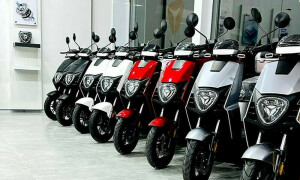
On the diversification front, HUBC is progressing with its electric vehicle venture through Mega Motor Company in partnership with China’s BYD. Management expects the local assembly plant to commence operations by the end of calendar year 2026, initially targeting monthly sales of 1,000–1,500 vehicles. The company also plans to gradually expand its model lineup and increase localization, with a long-term target of up to 80 percent local content.
HUBC Green has already installed 29 EV charging stations to support the venture. The company is also evaluating participation in electricity distribution company privatisation, potential acquisitions, and an aluminium smelter project, while discussions regarding investment opportunities involving K-Electric remain ongoing.Management has, however, deferred its proposed data centre investment due to high infrastructure and electricity costs.
Going forward, higher power demand, sustained earnings and dividend flows from associate companies, and the planned commencement of local BYD vehicle assembly are expected to support HUBC’s growth prospects. However, potential tariff adjustments for coal-based power plants, transmission constraints and execution risks surrounding new ventures remain key challenges.



















Comments