


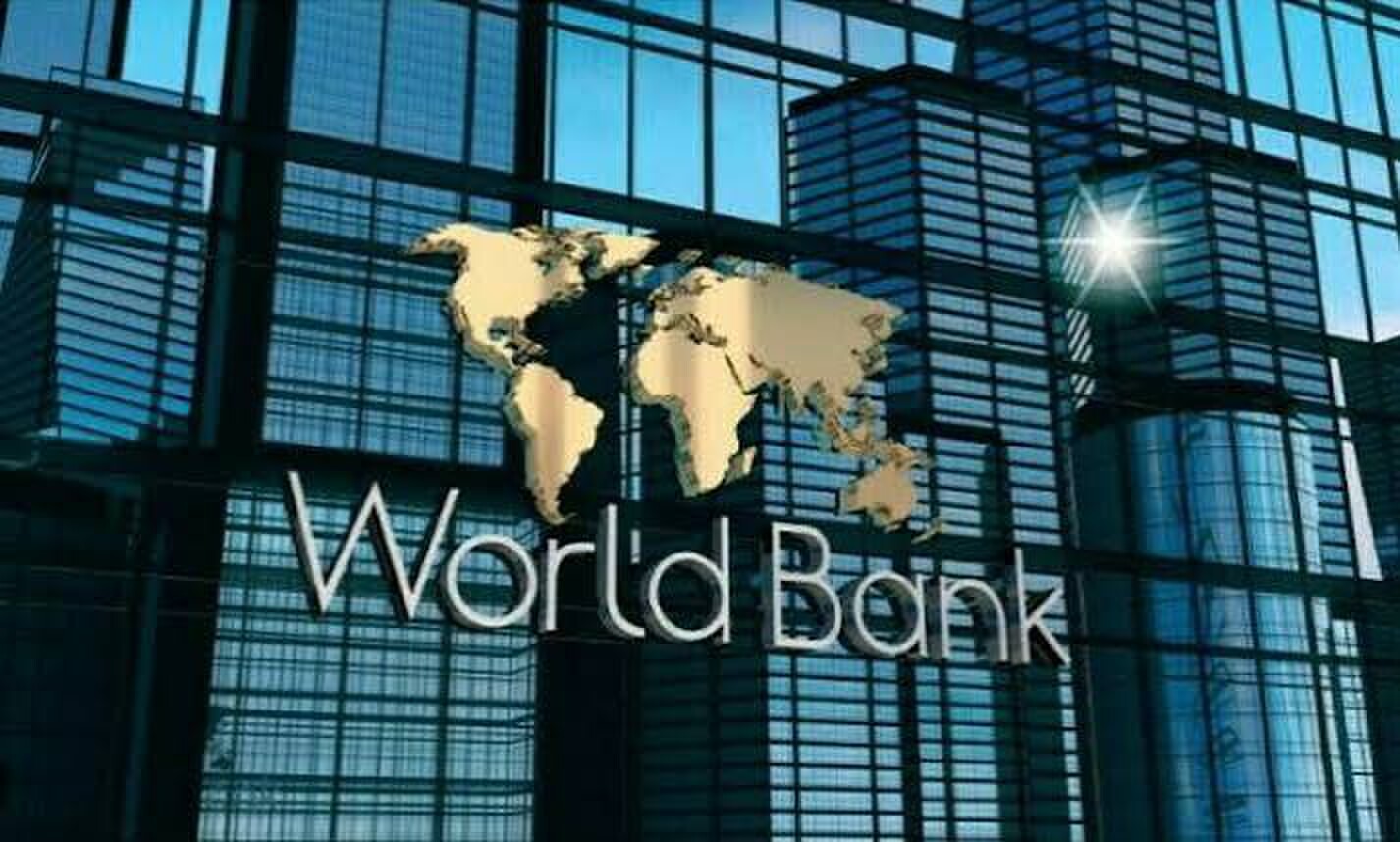
EDITORIAL: The World Bank is linking a 670 million-dollar financing programme to reforms that include removing wheat and sugar from the Export/Import Order 2022, increasing private sector participation in urea imports, and eliminating regulatory barriers to investment and trade. This linkage is rather inexplicable today as globalisation is being discarded by the Trump administration in favour of higher tariffs with the objective of reducing its big trade deficits with allies while sanctions are being imposed on adversaries.
The European Union has emerged not as an economic powerhouse of old but as an entity that is allowing its historical enmity with Russia to dictate its spending priorities; notably, diverting scarce finances to amass military hardware rather than towards social and productive sectors, which is fuelling unrest evident in several European capitals today.
And the West is labouring under a debt crisis that is further compromising its capacity to remain the global leader – the ongoing US and Israel conflict with Iran has effectively ended the era of the petrodollar marked by the Gulf countries purchasing US treasuries that in turn enabled the US to borrow extremely cheaply from the market. And the European Union has borrowed an additional 70 billion Euros for Ukraine – money that is assumed would be repaid by Russia once it loses the war, which is a conclusion that is patently belied by the ground realities.
Given the obviously changing world order, it is mind-boggling that the World Bank team — as well as other multilateral organizations — continues to ram inapplicable conditions down the throats of debtor nations like Pakistan. Perhaps even more disturbing is the fact that those negotiating on behalf of Pakistan are not challenging these conditions.
The World Bank is also urging increased private-sector participation by removing wheat and sugar from the 2022 Order, which allows the government to monitor the demand for these two critical commodities and take appropriate mitigating measures in the event of a shortfall or surplus. It is true that our administrations, past and present alike, have shown a lack of ability to assess whether a shortfall actually exists, often granting an export subsidy for a non-existent surplus. This has historically led to decisions to import the same commodity at a cost higher than the export revenue earned by the private sector.
Pakistan does not operate under a free market system and leans towards elite capture through setting up dedicated trade organizations that seek to maximize their members’ financial interests through using their considerable political influence. Even the prices of perishable items are controlled by aarthis, instead of the farmers who operate as small time oligarchs.
The World Bank should have acknowledged the Special Investment Facilitation Council (SIFC), which was set up in mid-2023 at both the apex level and sector-wide to facilitate investments and remove all bureaucratic bottlenecks and security concerns. Its success has so far been very limited; however, one would hope that as growth momentum is achieved, the role of the SIFC may become more critical.
There is, therefore, a need for multilateral organizations to practice what they preach to member countries seeking their assistance. They must usher in governance reforms by either retraining existing staff to adapt to changes in the world order, or by offering them early retirement to recruit individuals who are fully cognizant of these shifts. Furthermore, from the perspective of a country seeking assistance, such as Pakistan, negotiators must be selected who possess the necessary understanding of the writing on the wall.
Copyright Business Recorder, 2026















Comments