


US annual budget gap hits nearly USD2trn, largest in 5 years
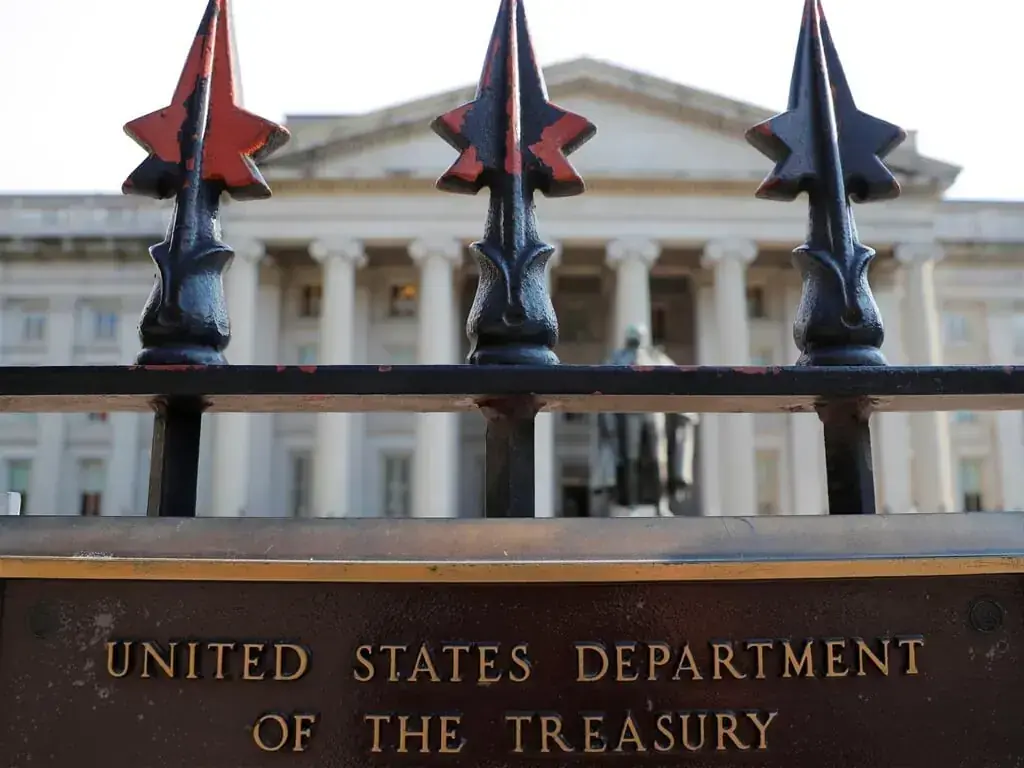
WASHINGTON: The US budget deficit rose by USD217 billion to nearly USD2 trillion in the 2026 fiscal year, fuelled in part by tariff refunds and record spending to service the nation’s more than USD40 trillion in debt, marking the largest budget shortfall in five years, Treasury Department figures showed on Friday.
Continued increases in spending for social benefits programs like Social Security and Medicare and a USD48 billion jump in defence spending also factored into the increase.
The USD1.99 trillion deficit for the year ended September 30, the first full budget year of President Donald Trump’s second term, was up from USD1.78 trillion in fiscal 2025. It was the largest shortfall since fiscal 2021’s USD2.77 trillion budget gap, then fueled by COVID-19 pandemic relief spending, and is the third-largest annual deficit ever.
Total receipts for fiscal 2026 were a record USD5.40 trillion, up USD169 billion, or 3 percent, from the USD5.24 trillion in fiscal 2025. Fiscal 2026 outlays also were a record at USD7.40 trillion, up USD386 billion, or 6 percent, from the USD7.01 trillion in the prior fiscal year.
Debt-service outlays totalled a record USD1.36 trillion, climbing by USD144 billion, or 12 percent, a spending category now eclipsed only by Social Security and the combined outlays for Medicare and Medicaid. Total US debt breached the USD40 trillion milestone about two months ago.
Another driver of the widening shortfall was a USD22 billion drop in net tariff receipts following a Supreme Court ruling this year negating a large portion of the tariffs Trump had imposed during his first year in office. That triggered USD145 billion of tariff refunds over this year, resulting in an 11 percent decline in net tariff income to about USD173 billion.
Defence spending for the year rose by 6 percent to USD917 billion. A US Treasury official said it was not clear how much of the increase could be attributed to the war Trump and Israel started against Iran earlier this year.
The Treasury official said the department calculated an estimated deficit-to-GDP ratio of 6.2 percent for fiscal 2026, but declined to say what GDP estimate was used. This figure compares to an actual 5.8 percent deficit-to-GDP ratio for fiscal 2025.
For the 2026 fiscal year’s final month of September, the Treasury reported a deficit of USD27 billion versus a USD198 billion surplus a year earlier.




















Comments