


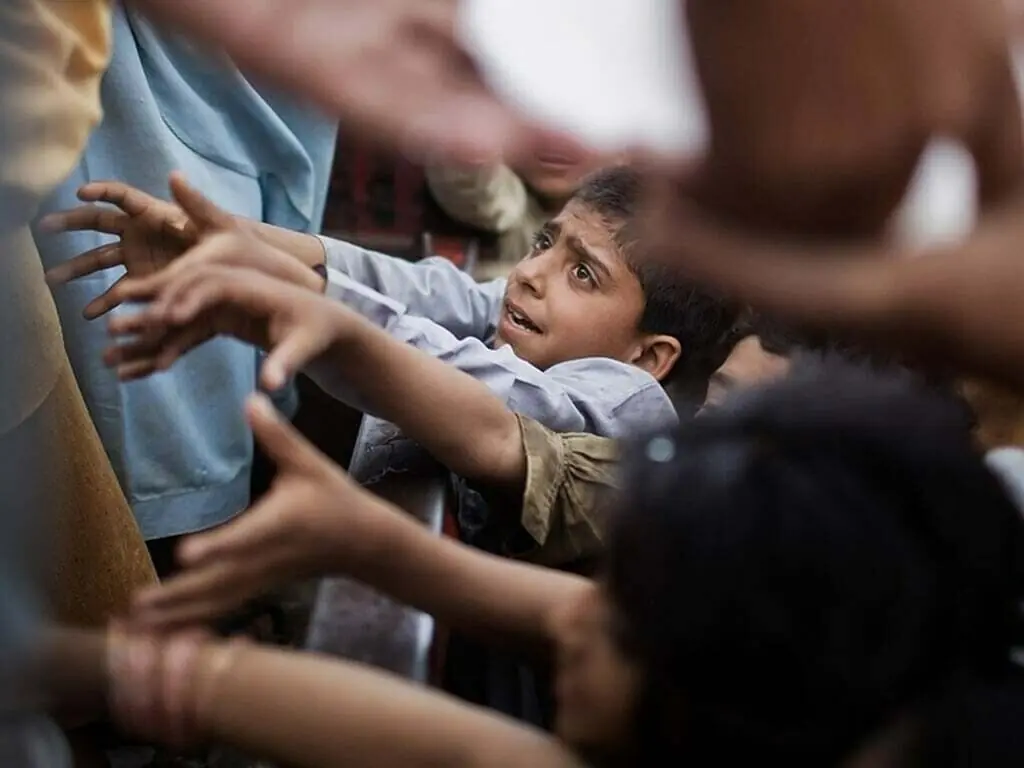
EDITORIAL: The government’s repeated assurances that Pakistan’s economy is improving sound increasingly hollow when measured against the living conditions of its people. The latest United Nations Development Programme figures show that 38.3 percent of Pakistan’s population suffers from multidimensional poverty, facing overlapping deprivations in health, education and basic living standards. Another 12.9 percent remains vulnerable to such poverty. These findings should cause considerable discomfort in official circles, particularly among an economic team that has become adept at presenting improvements in macroeconomic indicators as evidence of a broader recovery.
The comparison with neighbouring countries is especially troubling. India’s multidimensional poverty rate stands at 16.4 percent and Bangladesh’s at 14.9 percent, although the underlying surveys were conducted in different years and therefore cannot support a strictly contemporaneous comparison. Even allowing for that qualification, Pakistan’s position is deeply disturbing. The intensity of deprivation among its multi-dimensionally poor population stands at 51.7 percent, indicating that those classified as poor experience more than half of the weighted disadvantages measured by the index. These are substantial failures in the provision of basic necessities that should have commanded sustained government attention long ago.
The findings also expose a fundamental weakness in the way economic performance is discussed in Pakistan. Stabilisation of external accounts, improved reserves, lower inflation or progress towards fiscal targets may be important achievements when they occur. But their significance must ultimately be judged against improvements in employment, purchasing power, education, healthcare and living standards. An economy can appear healthier in official presentations while millions of households continue struggling with inadequate nutrition, interrupted schooling, unsafe water and poor sanitation. The distance between these two realities is precisely where economic policymaking has repeatedly failed.
That failure deserves particular scrutiny because poverty of this kind perpetuates itself across generations. Children deprived of adequate nutrition and education face diminished opportunities throughout their lives. Poor health reduces earning capacity, while inadequate sanitation and unreliable access to essential services impose further costs on already vulnerable households. The consequences extend beyond individual hardship to labour productivity, economic competitiveness and the country’s long-term growth potential. Pakistan is effectively allowing a substantial part of its human capital to deteriorate while continuing to debate recovery largely through financial aggregates.
The government’s economic team must therefore explain how its policy priorities are expected to produce measurable improvements in these conditions. Fiscal discipline is necessary, but the composition and effectiveness of public expenditure matter enormously. Resources directed towards education, primary healthcare, nutrition, drinking water and sanitation must be protected and used efficiently. Federal and provincial governments also need to confront the persistent weaknesses in service delivery, including inadequate oversight, poor coordination and the diversion of scarce resources towards politically convenient projects with limited developmental impact.
Equally important is the need to make poverty reduction a measurable test of economic policy. Governments should establish clear targets, publish regular assessments and identify the districts and communities facing the most severe overlapping deprivations. Social protection must be linked with better access to essential services and opportunities for productive employment. Provincial administrations, which carry major responsibilities for health, education and local services, must be held accountable for outcomes rather than expenditure announcements.
The UNDP’s findings describe a global problem, with 1.2 billion people living in multidimensional poverty. Pakistan’s particularly poor showing, however, demands a distinctly national response. The country cannot afford to regard poverty reduction as a secondary benefit that will eventually follow macroeconomic stabilisation.
The government’s economic managers have spent considerable time explaining why the numbers suggest recovery. They must now explain why so many Pakistanis remain unable to experience it.
Copyright Business Recorder, 2026




















Comments