


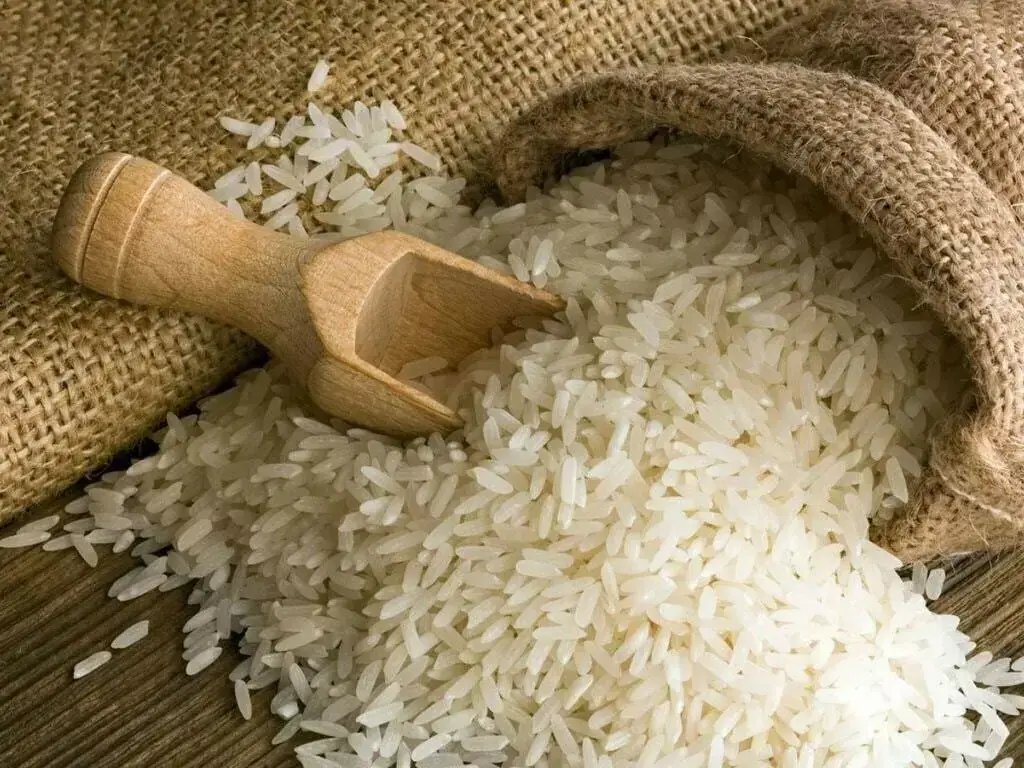
Pakistan’s rice export sector, after shipping a record six million tons worth USD 3.89 billion in FY2024, has been in trouble for the past two years. In FY2026, exports fell to about 4.3m tons, with earnings declining to USD 2.3bn. India, meanwhile, exported a record 21.57m tons worth USD 11.53bn.
This is not merely an exporters’ problem. It is a warning about the competitiveness of Pakistan’s entire rice value chain — from grower and miller to exporter and the balance of payments.
DLTL failed to deliver
The Ministry of Commerce allocated Rs15billion under the Drawback of Local Tax and Levies (DLTL), with exporters assuring an additional USD 1-1.5bn in exports by June 2026. The scheme initially offered 9 percent for Basmati and 3 percent for non-Basmati rice. It was later extended to September 30, with non-Basmati support raised to 5 percent.
The industry argued that the incentive was essential because Indian Basmati was around USD 250 per ton cheaper than Pakistan’s. Yet exports continued to collapse despite the subsidy.
More disturbing was the reported rise in declared Basmati export prices after DLTL was introduced, with over-invoiced exports reportedly showing unusually high values. Any incentive linked to declared export value creates an obvious risk of over-invoicing and varieties misdeclaration.
Pakistan Customs subsequently detected discrepancies in rice consignments, This raises a basic question: why should taxpayers continue financing an export subsidy that has failed to restore competitiveness and may create incentives for abuse?
Who really benefits?
An export subsidy may appear to make Pakistani rice cheaper abroad, but if it encourages domestic procurement prices to rise, Pakistani consumers also pay the bill.
The beneficiaries can become hoarders, traders and exporters having overseas offices, while taxpayers finance the subsidy and foreign consumers receive cheaper rice.
The farmer, meanwhile, remains vulnerable. Fertiliser, diesel, electricity, seed, pesticides, machinery and labour costs have all increased. When paddy prices fall after harvest, growers often sell quickly to meet immediate cash needs, including financing sowing the next wheat crop. Hoarders and stockists, with greater untaxed liquidity, can hold inventories and benefit from subsequent price increases.
This creates a distorted chain: the farmer carries production risk, the taxpayer finances subsidies, while those controlling stocks capture much of the benefit.
The problem becomes more serious when monetary expansion and subsidised export refinancing provide additional liquidity without generating corresponding export growth. Where is this money ultimately going? Is subsidised financing strengthening domestic production and exports, or is it financing overseas operations and inventory?
Support the farmer, not the foreign consumer
The policy priority must change.
Instead of another port-based incentive or blanket freight subsidy, scarce public funds should be directed towards reducing the farmer’s cost of production and raising productivity.
A sea-freight subsidy may temporarily compensate exporters, but it does little to address Pakistan’s structural disadvantage. It can also increase domestic procurement prices without improving yields, quality or production efficiency.
Support should instead target certified high-yield indigenous Basmati and non-Basmati seed, water-saving irrigation, laser land levelling, mechanisation, paddy dryers, scientific storage, soil testing, extension services and internationally recognised food-safety and traceability systems.
A Rice Grower Support Voucher could provide registered farmers with discounts on certified seed, fertiliser, pesticides, laser levelling, efficient irrigation and solar-powered pumping. For small farmers, support could be transferred through verified bank or Pakistan Post accounts and linked to acreage, certified seed use and productivity improvements.
This would achieve what an export subsidy cannot: reduce production costs at their source.
Hormuz is a global challenge
The disruption around the Strait of Hormuz has added to freight, insurance, vessel availability and routing costs. Freight from Indian and Pakistani ports to Jeddah reportedly rose from around USD 500 per 20-foot container to USD 3,500, although quotations have since fallen towards USD 2,300. Jebel Ali rates have also remained elevated.
But this is not a Pakistan-specific disadvantage. Competing rice exporters face the same global shipping and insurance shock.
Compensating Pakistani exporters for the entire freight increase would therefore risk treating a global logistics problem as a domestic competitiveness problem. As freight conditions normalise, the subsidy would disappear while Pakistan’s underlying cost disadvantage would remain.
The sustainable response is to reduce the cost of producing rice so that Pakistan enters international markets with a structural price advantage as India is doing aggressively.
A new rice export strategy
Pakistan should move from subsidising shipments to building competitiveness.
First, the government should end open-ended export subsidies and establish a clear sunset mechanism for DLTL.
Second, saved resources should be redirected towards farmers through transparent digital vouchers and targeted input support.
Third, Pakistan should invest aggressively in indigenous Basmati varieties, seed research, water efficiency, mechanisation and climate-resilient local seeds research.
Fourth, Customs, the Pakistan Single Window and banks should establish real-time verification of rice varieties and export values to minimise misdeclaration and over-invoicing.
Fifth, hoarding and speculative stockholding must be tackled firmly. Export competitiveness cannot be built while domestic market distortions inflate the cost of raw material.
Sixth, exporters should move beyond bulk commodity trading towards branded, packaged and traceable Pakistani Basmati rice. Pakistan has a natural advantage in Basmati, but it must capture more value from it instead of relying primarily on bulk shipments.
Finally, the Ministry of Commerce’s Agro Food Wing should develop a measurable five-year rice strategy covering productivity, farm-gate costs, quality, value addition, branded exports and foreign-exchange earnings.
Pakistan has demonstrated that it can export six million tons of rice. The objective, however, should not simply be to recover that volume through another subsidy.
The real objective should be to produce more rice at lower cost, with better quality, higher farmer incomes and less dependence on taxpayers.
The choice is straightforward: continue subsidising shipments, or invest in making Pakistani rice genuinely competitive.
The second route is the only sustainable way out of the hot waters.
Copyright Business Recorder, 2026
The writer is a former Vice President of KCCI, former Board Member of REAP, and commodities and international trade expert
















Comments