


Yuan steady despite dollar strength during China's Golden Week holiday
- Prior to the market open, the People’s Bank of China set a weaker midpoint rate at 6.7367 per dollar
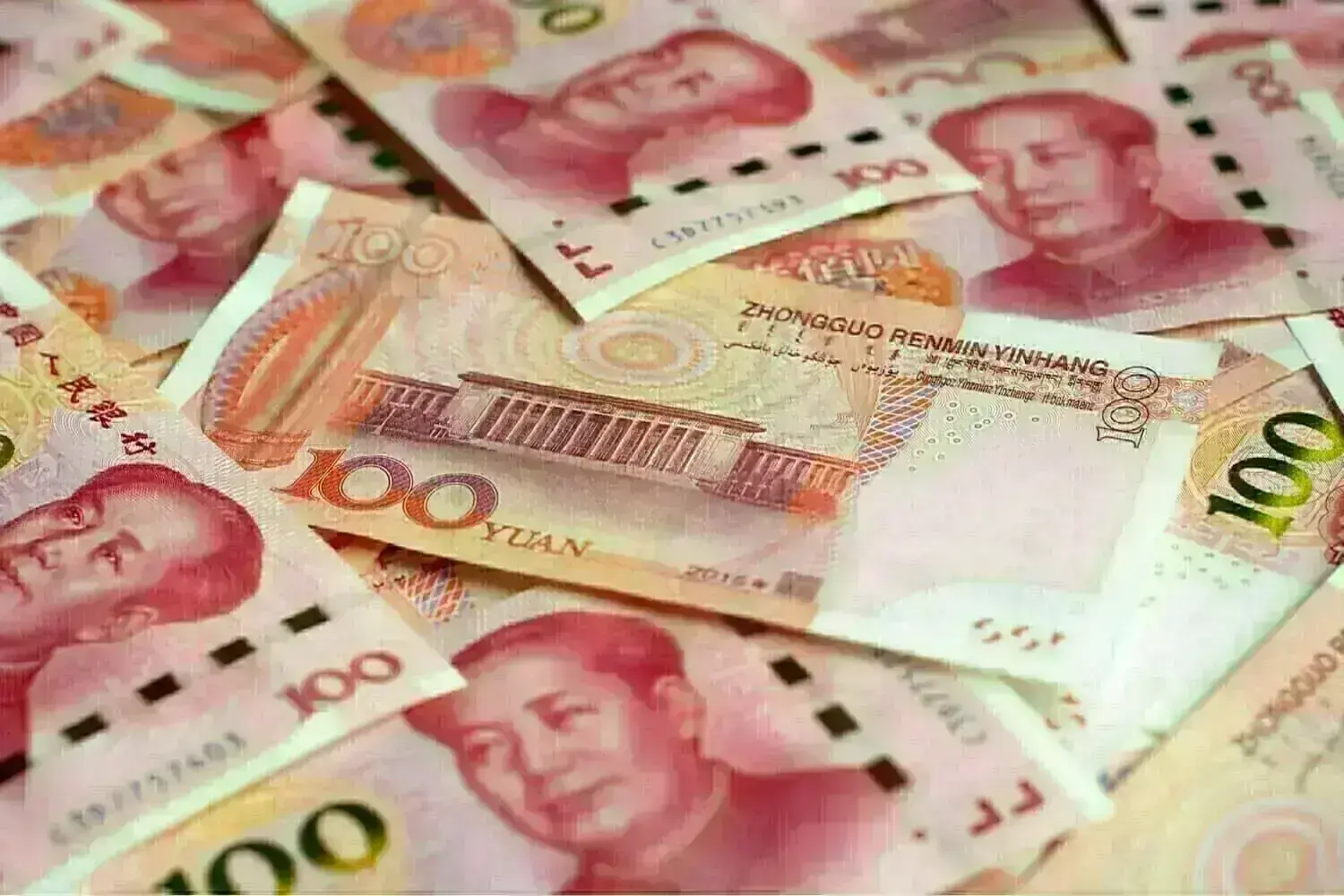
SHANGHAI: China’s onshore yuan was steady on Thursday as mainland markets reopened after a week-long holiday during which the Chinese currency strengthened offshore despite a strong dollar.
The yuan has gained nearly 9% against the dollar since late 2024 in a seven-quarter rising streak buoyed by robust exports and policies designed to attract foreign inflows.
Despite the dollar index climbing higher during the holiday, “the offshore yuan remained resilient, suggesting the yuan’s appreciation trend has not ended,” Nanhua Futures said in a note.
The onshore yuan changed hands at 6.7030 per dollar in mid-morning trade, a tad firmer than its close on September 30, the last trading session before the National Day holiday.
Prior to the market open, the People’s Bank of China set a weaker midpoint rate at 6.7367 per dollar.
This reflected the recent strength of the dollar index, which climbed roughly 0.8% during China’s holiday, and hit an 18-month high earlier this week.
Nanhua Futures said the dollar index was aided by a weakening euro amid growing concerns over Europe’s debt burdens.
Still, the offshore yuan strengthened about 0.1% during China’s Golden Week, underscoring the support from China’s strong exports.
“Our analysis suggests that Chinese export growth still has some runway over the next few years, despite the historically high trade surplus,” Goldman Sachs said in a report.
Duncan Wrigley, chief China economist at Pantheon Macroeconomics, said the yuan’s appreciation pressure is partly offset by substantial capital outflows.
“The trade surplus is generating large foreign currency inflows, partly absorbed by private portfolio outflows,” Wrigley said in a note.
Official data released on September 29 showed Chinese residents bought $119 billion in foreign bonds and $44 billion in offshore equities and investment funds during the first half of 2026 — a trend likely propelled by the yawning yield gap between Chinese and US Treasuries, he said.























Comments