


Insurance, lack of warehouses key constraints to farm lending: SBP
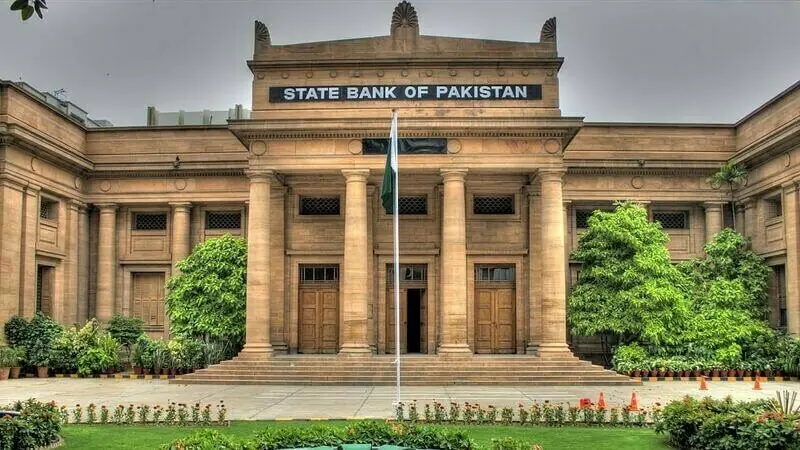

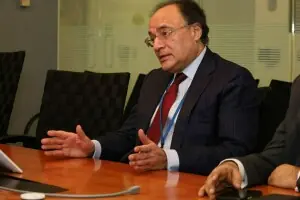
LAHORE: Inadequate insurance coverage, lack of accredited warehouses and limited access to finance are the three major constraints hindering lending to the agriculture sector, said State Bank of Pakistan Deputy Governor Salimullah.
Speaking at a session on “Building the Access to Finance Ecosystem for Pakistan’s Farmers” during the Pakistan Agricultural Coalition’s Agri-Connections Conference and Expo held recently, he said agriculture was the most critical sector of the economy but faced several structural barriers to financing.
“The overall level of risk being faced by farmers and the lack of proper insurance coverage is one of the binding constraints,” he said, adding that the absence of insurance also made banks reluctant to lend to farmers.
He said effective insurance coverage was a key issue for both farmers and banks.
Salimullah identified the non-availability of accredited warehouses as the second major constraint, saying the agricultural value chain was predominantly informal.
“This is also not giving comfort to the banks as to whether they would be able to have control over the commodity or the produce,” he said.
Access to finance itself was the third major constraint, he added, saying the State Bank was working to develop an ecosystem in which banks’ intervention and investment in agriculture could become a viable business proposition.
At another session on “Investment Successes in Livestock”, Omar Sagga, chairman of Jeddah-based Taraf, said Gulf investors were showing interest in Pakistan’s meat processing sector.
He said Pakistan had considerable potential because of its human capital and quality livestock.
“Investor interest alone is not investment. The ecosystem has to give investors enough confidence to actually commit capital,” he said.
Pakistan Dairy Association Chairman Usman Zaheer Ahmed said the country’s dairy sector was attractive for investment because of its scale.
Pakistan produces around 72 billion litres of milk annually and is the world’s fourth-largest milk producer, he said.
He said formalising even half of the informal dairy sector and imposing a minimum five per cent tax could generate around Rs250 billion in annual government revenue, while the sector’s full potential could generate nearly half a trillion rupees.
A session on the future of technology in agriculture featured Jehiel Oliver, chief executive of Kenya-based Hello Tractor, who spoke about expanding mechanisation in Pakistan.
He said public-sector programmes such as the Green Tractor scheme and manufacturers including Al-Ghazi and Millat were supporting local manufacturing.
Oliver said his company had developed a model to connect farmers with farm equipment having excess capacity, allowing farmers to access machinery without having to purchase it.
“Farmers should have access to reliable, affordable equipment, but they shouldn’t own their own equipment. That’s a waste of money and a poor use of a farmer’s balance sheet,” he said.
The conference also included a session on developing the foundation for Pakistan’s shrimp exports and a roundtable between investors and the Securities and Exchange Commission of Pakistan on investment opportunities in agriculture.
PAC chief executive Kazim Saeed presented the conference resolutions and call to action at the conclusion of the event.
Copyright Business Recorder, 2026











Comments