


PIMS fire inquiry report finds major safety failures behind deaths of newborns
- Reveals serious fire-safety deficiencies had previously been identified at the hospital
An inquiry report blames PIMS hospital administration for major safety failures leading to 14 newborn deaths in a fire, citing electrical issues, overcrowding, and inadequate safety systems.
- Hospital administration's responsibility for safety failures.
- Unaddressed prior safety warnings and system failures.
- Recommendations for criminal probes and hospital safety audits.
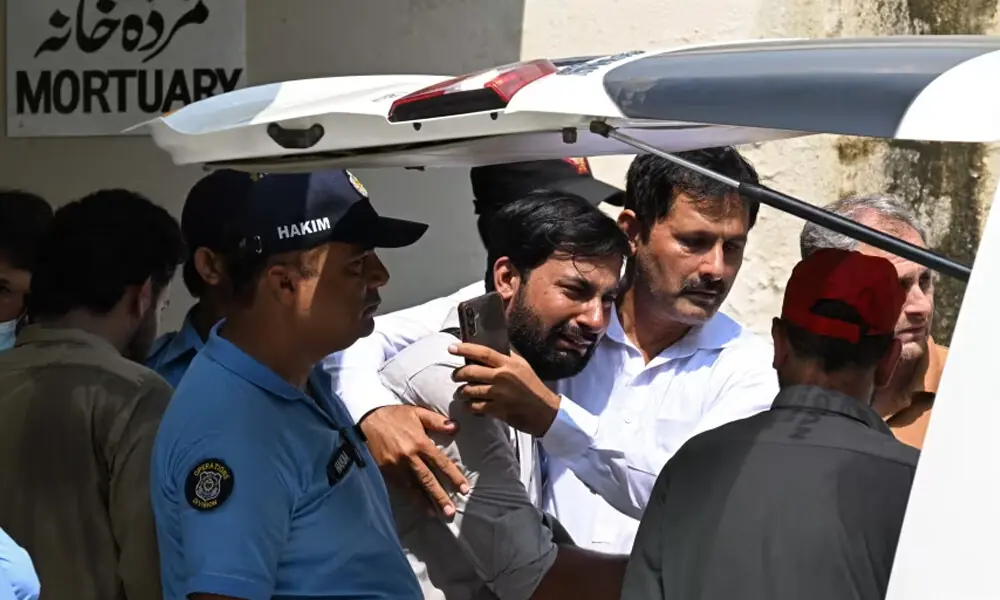
A 43-page inquiry report into the deadly fire at the Pakistan Institute of Medical Sciences (PIMS) has held the hospital administration responsible for major safety failures that led to the deaths of 14 newborn babies, Aaj News reported on Tuesday.
According to the report, the fire killed 14 newborns, while one baby was rescued safely. The inquiry committee found that serious fire-safety deficiencies had previously been identified at the hospital, but adequate corrective and preventive measures were not taken.
The report said the fire originated from an electrical cable connected to air conditioner No. 2, with a short circuit identified as the likely cause. The National Forensic Agency’s technical findings ruled out the incubators or warmers as the point of origin. The committee also found no evidence of deliberate arson or an oxygen leak.
The inquiry found that the 10-bed nursery was overcrowded, with 15 newborns receiving treatment at the time of the incident. Most of the babies were dependent on oxygen or respiratory support, while the presence of combustible material and an oxygen-rich environment intensified the fire and smoke.
The nursery lacked adequate emergency evacuation facilities and had no effective standard operating procedure for evacuating newborns. The report also found that no functioning sprinkler or alarm system was available and that the hospital lacked an effective automatic fire-detection system.
The committee also pointed to delays in seeking external assistance. According to the report, the fire was detected at around 6:38pm, while external assistance was dispatched at 6:55pm and operational teams arrived at the scene at 7:01pm.
The report said the deaths were not attributable to a single failure but resulted from multiple shortcomings, including the absence of safety measures, failure to activate available safeguards in time and the continuation of longstanding institutional weaknesses.
The inquiry also acknowledged the efforts of frontline medical staff during the incident and rejected allegations that they had abandoned the newborns.
It specifically praised nurse Razia Noreen, saying she risked her life to rescue one newborn and attempted to re-enter the nursery to save other babies. Dr Abdul Rehman was also present during the incident and participated in rescue efforts, according to the report.
The committee noted that fire-safety deficiencies had previously been highlighted through letters from the Capital Development Authority (CDA) and recommendations by the Federal Ombudsman. It also said PIMS management had acknowledged in 2025 that its safety systems were outdated.
Despite these warnings, the report said, necessary improvements were not made, placing primary institutional responsibility on PIMS and its senior management.
The committee recommended further criminal investigations into the delay in seeking external assistance, electrical maintenance and the role of contractors. It also called for immediate electrical and fire-safety audits of all hospitals and the establishment of effective safety management systems.























Comments