


PIMS fire: A preventable tragedy
The PIMS hospital fire, which killed 14 newborns, demands a thorough investigation beyond mere condolences to uncover systemic failures in safety and response, ensuring accountability and preventing future tragedies.
- The rapid spread of the fire in a neonatal ward.
- Allegations of locked doors and inadequate fire safety.
- The necessity of an independent and credible investigation.
- Systemic safety audits for all public hospitals.
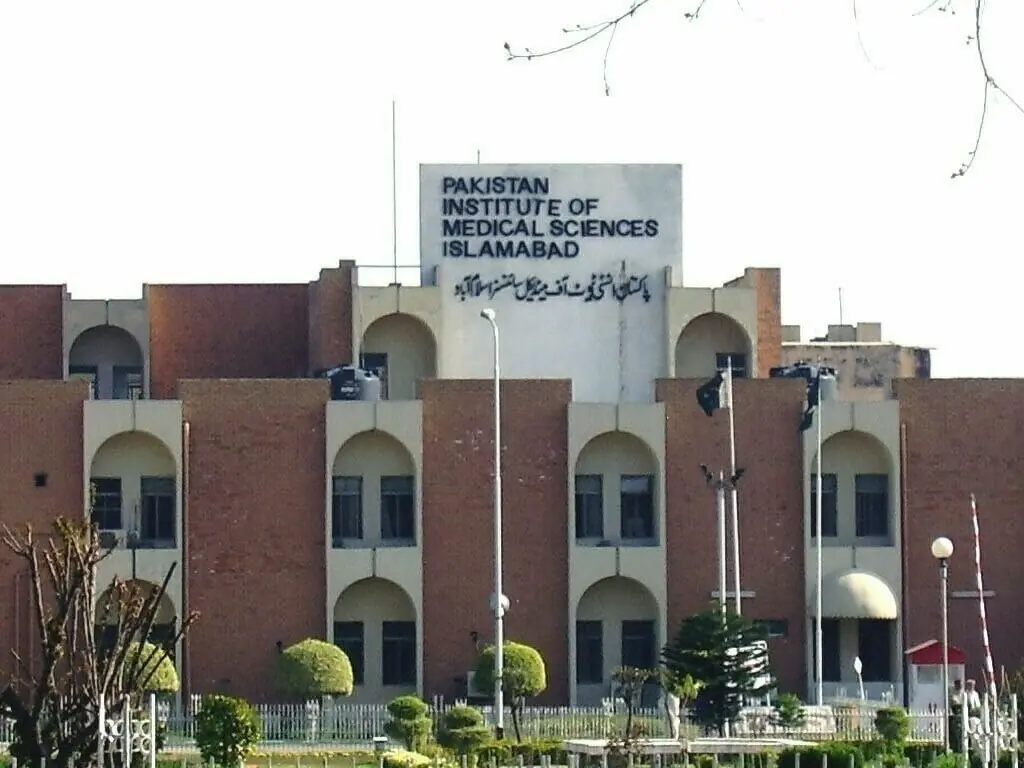
EDITORIAL: The deaths of 14 newborn babies in the PIMS fire are too grave to be treated as another unfortunate incident followed by the familiar cycle of condolences, inquiries and forgotten recommendations. Their deaths place a profound moral and administrative responsibility on the state to establish not only how the fire started, but why so many lives could not be saved.
The preliminary accounts point to a fire that spread with alarming speed in a nursery where several infants were dependent on oxygen. Authorities have indicated that an electrical spark or malfunctioning air-conditioning unit may have triggered the blaze, while the presence of oxygen contributed to its rapid spread. These circumstances may explain the intensity of the fire, but they do not by themselves explain the scale of the loss.
The more troubling questions concern preparedness and response. Families have alleged that the ward doors were locked, that fire-safety arrangements were inadequate and that rescuers arrived too late.
Hospital and emergency authorities have disputed aspects of these claims, including the reported response time. Such contradictions make an independent and credible investigation all the more necessary.
A hospital caring for newborns cannot afford ambiguity over emergency exits, alarms, extinguishers, evacuation routes or staff training. Neonatal wards present particular risks because patients cannot be evacuated without assistance and many require oxygen, incubators and other life-support equipment.
Fire drills and functioning safety systems in such wards are therefore not bureaucratic requirements; they are essential components of medical care.
The government has formed a fact-finding committee and suspended the federal health secretary. Yet questions of responsibility must extend beyond administrative symbolism to those directly responsible for the hospital’s day-to-day management and safety.
Administrative action will mean little if the investigation becomes an exercise in protecting institutions or individuals. The inquiry must establish a precise timeline of events and identify every failure, from maintenance and fire prevention to alarm activation, evacuation and the arrival of emergency services. It should also examine whether renovations or other work in the building affected safety arrangements.
There is also a legitimate question about the independence of the inquiry. Where officials or departments whose performance may themselves require scrutiny are connected to the investigative process, public confidence can easily be compromised.
The demand for a judicial probe and an independent audit of PIMS’ fire-safety infrastructure should therefore not be dismissed.
What happened at PIMS should become a turning point for public hospitals across the country. Every government hospital, particularly those housing neonatal and intensive-care units, should undergo an immediate independent safety audit.
Emergency exits must remain accessible, alarms and firefighting equipment must be tested regularly.
Fourteen families have suffered an irreparable loss. No compensation, suspension or official statement can restore their children.
The least the state owes them is the truth. Justice in this case will not be measured by how many officials are punished. It will be measured by whether the government has the courage to uncover every failure, hold those responsible to account, and ensure that our hospitals become safe because of what happened at PIMS.
No other parents should have to stand outside a hospital asking the same devastating question: “why was my child not saved?”
Copyright Business Recorder, 2026





















Comments