


Floods and planning failure
Recent flooding in Lahore and Gujranwala highlights how human negligence, poor planning, and obstructed natural waterways exacerbate monsoon rains, demanding smarter, integrated, and climate-resilient infrastructure.
- Human negligence and poor planning in flood devastation.
- Obstruction of natural waterways and drainage systems.
- Long-term strategies for climate-resilient infrastructure.
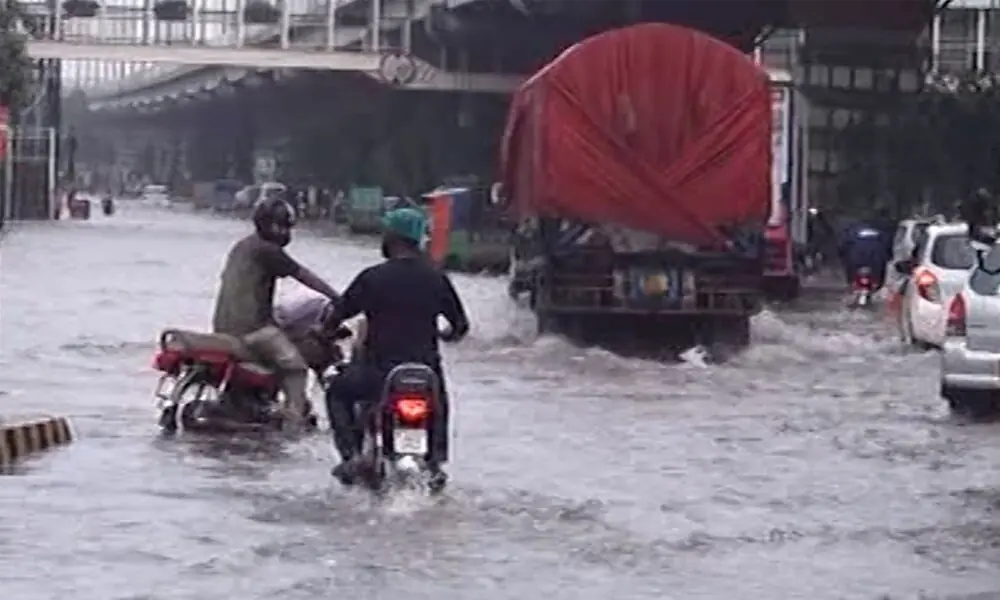
EDITORIAL: The recent flooding in parts of Lahore and Gujranwala divisions is a sobering reminder that disasters are often made worse by human negligence, poor planning and weak enforcement. An internal report of the Punjab Irrigation Department provides disturbing evidence that the devastation caused by this year’s exceptional monsoon rains was not simply an unavoidable act of nature.
The closure of old culverts, obstruction of natural waterways, unauthorised cuts in drains and ill-planned infrastructure development all contributed significantly to the crisis.
Urban expansion has frequently taken place without respecting the existing drainage network, with roads, buildings and other structures constructed along or across natural waterways, turning heavy rain into a catastrophe.
Equally troubling is the revelation that 99 drains overtopped at 131 vulnerable locations, resulting in breaches and unauthorised cuts. While local residents may have made such cuts in desperation to drain their flooded lands, diverting water into already overloaded drains only transfers the problem from one locality to another. This does point to a larger failure of administration.
Authorities ought to ensure that communities have safe and legal drainage options before emergencies occur, while also taking action against encroachments and other interventions that obstruct natural waterways.
The government must now move beyond temporary flood-fighting measures. Repairing breaches and deploying machinery are necessary emergency responses, but they cannot substitute for long-term planning. A comprehensive mapping of nullahs, drains, culverts and flood-prone areas should be undertaken.
Closed culverts that are essential for natural drainage must be reopened or replaced with adequately designed structures. New roads, housing schemes and other infrastructure should not be permitted to obstruct established waterways.
The proposed conversion of drainage systems into seepage-cum-storm-water drains also deserves serious consideration, alongside stronger embankments in vulnerable low-lying areas. Most importantly, flood management must become a coordinated responsibility of irrigation, local government, highway, railway and urban development authorities rather than remaining confined to one department.
Climate change is increasing the likelihood of intense and unpredictable rainfall. The government cannot prevent every flood, but it can prevent poor planning from turning heavy rain into a humanitarian disaster.
The recent flooding should therefore be treated not merely as a natural calamity, but as a warning that Punjab, as well as other provinces, urgently needs smarter, integrated and climate-resilient infrastructure planning.
The lesson is clear: effective flood management begins long before the rains arrive, through preserving natural drainage channels, maintaining existing infrastructure and ensuring that development respects natural waterways and drainage patterns.
Copyright Business Recorder, 2026



















Comments