


Govt to support SMEs in adopting modern economic models: Cheema
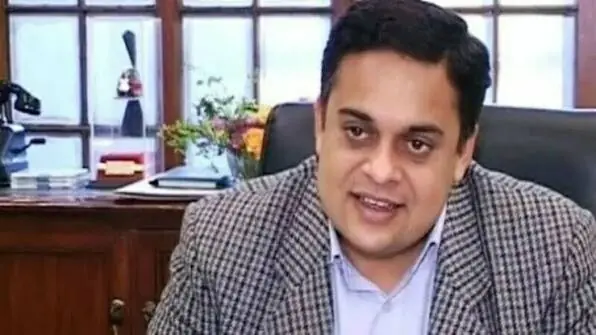

ISLAMABAD: Federal Minister for Economic Affairs Ahad Cheema has said the government is set to pursue a home-grown economic agenda that reflects Pakistan’s national priorities while ensuring macroeconomic stability.
He stated this while chairing a meeting on Friday to review the roadmap of the Ministry of Industries and Production, with a special focus on strengthening the Small and Medium Enterprises (SMEs) sector to accelerate industrial growth and enhance Pakistan’s export potential.
The meeting was attended by Special Assistant to the Prime Minister (SAPM) on Industries and Production Haroon Akhtar Khan, Secretary Industries Saif Anjum, Chief Executive Officer of SMEDA, and senior officials.
The participants were briefed on the Ministry’s strategic roadmap, ongoing initiatives, and proposed policy measures aimed at improving the competitiveness of Pakistan’s industrial sector. It primarily focused on facilitating SMEs to enable them to access export markets more efficiently and enhance their contribution to the national economy.
During the meeting, Minister Ahad Cheema emphasised that the adoption of modern economic models and policies was essential instead of relying on outdated protectionist approaches. He stressed that both the government and industry need to adopt a disciplined approach in economic planning to ensure policy continuity, efficient resource allocation, and sustainable long-term growth.
He noted that both SMEs and large-scale industries were steadily adopting modern economic models to enhance efficiency and competitiveness, and reaffirmed that the government will facilitate this transition by providing an enabling regulatory framework, improving access to financial channels, and extending other forms of institutional support whenever required.
Referring to Pakistan’s commitments under the IMF programme, Minister Ahad Cheema stated that the government would prioritise cost-based incentives for industry instead of profit-based benefits.
He reaffirmed the government’s commitment to supporting SMEs through coordinated measures involving the State Bank of Pakistan and other relevant institutions to strengthen their productive and export capacities.
The Minister stated that the government was focusing on extending cost-based support to SMEs rather than expanding Specialised Economic Zones (SEZs). He emphasised that reducing the cost of doing business through regulatory facilitation and targeted incentives would enable SMEs to grow, become more competitive, and contribute more effectively to exports and economic development.
The meeting was informed that taxation on exports has been reduced, while sector-specific industrial policies are being finalised to further enhance industrial productivity, improve competitiveness, and create a more enabling business environment.
SAPM Haroon Akhtar Khan informed the meeting that Chinese and other international companies were showing increasing interest in collaborating with Pakistan’s SMEs as well as large-scale industries.
Minister Ahad Cheema highlighted that the government, through the Special Investment Facilitation Council (SIFC) and other institutional platforms, is actively facilitating foreign investment and will continue to strengthen these efforts to attract greater international partnerships.
The meeting also reviewed the development of key performance indicators to monitor the performance of the industrial sector and assess the impact of foreign investment.
Minister Ahad Cheema observed that strengthening the capacity of SMEs remains one of the most effective means of improving Pakistan’s GDP and generating sustainable economic growth. He reiterated that the government is committed to facilitating both large-scale industries and sector-specific SMEs.
The Minister directed the relevant authorities to conduct a comprehensive survey of informal SMEs and engage with them to encourage their transition into the formal economy. He said that bringing informal enterprises into the documented sector would provide long-term benefits for both businesses and the government by improving access to financing, incentives, and institutional support.
Copyright Business Recorder, 2026

















Comments