


Oil eases as traders weigh US-Iran conflict risks
- Brent crude futures were down 27 cents, or 0.32%, to $84.68 a barrel
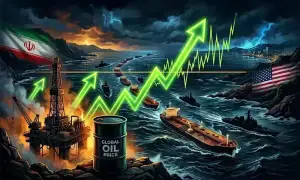
Oil prices rose for a fourth day amid escalating US-Iran hostilities, fueling fears of supply disruptions in the Strait of Hormuz and potential full-scale conflict in the Middle East.
- US strikes on Iranian military sites and naval blockade.
- Iran's threats to halt regional energy exports.
- Impact of Middle East tensions on global oil supply.
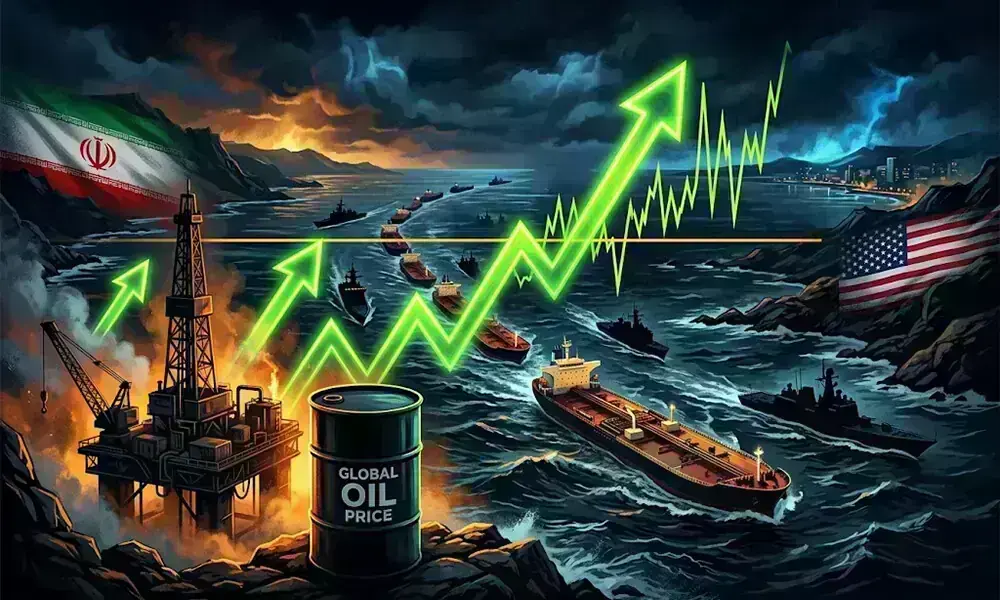

Oil prices eased on Thursday as traders weighed escalating tensions between the United States and Iran and the risks to oil supplies moving through the Strait of Hormuz.
Brent crude futures were down 27 cents, or 0.32%, to $84.68 a barrel at 1011 GMT, while U.S. West Texas Intermediate futures were down 11 cents, or 0.14%, to $79.49 a barrel. Both contracts remain close to one-month highs.
“The market is still reacting with a surprising degree of calmness,” said Ole Hvalbye, market analyst at SEB Research.
“It seems reasonable that prices could continue to climb towards $90-$95 and maybe even touch the $100 mark again and that is because the Strait of Hormuz is repeatedly being disrupted, creating uncertainty over oil flows from the Gulf.”
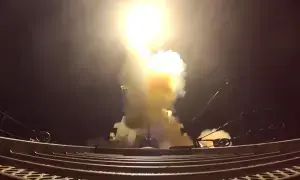
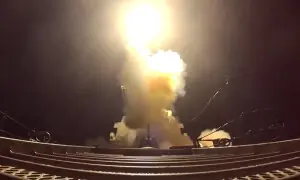
The U.S. struck Iran’s coastal defences and missile sites on Wednesday after reimposing a naval blockade of its ports, while Tehran threatened to shut off more regional energy exports, saying it was engaged in an “existential war” with America.
The escalation comes after a fragile truce reached in June collapsed, reviving fears of a return to full-scale conflict and disrupting energy flows through the Strait of Hormuz, which handled about a fifth of daily global oil and LNG trade before the war began.
Fewer vessels passed through the strait on Wednesday, the first day after the U.S. reimposed its naval blockade on Iran. Seven crossed on Wednesday, down from 13 the previous day.
“Markets could remain cautious as they assess immediate supply risks. So far, despite heightened military tensions, oil tankers continue to sail through the Strait of Hormuz, although in more limited numbers,” said Wael Makarem, financial markets strategist lead at Exness.
Iran said on Thursday the strait was an inviolable “red line”, warning that if U.S. President Donald Trump carried out his threat to attack Iran’s infrastructure, it would strike all infrastructure across the Gulf region.
Analysts say Iran has signalled it may use its Houthi allies in Yemen to shut the Bab el-Mandeb gateway to the Red Sea, opening a new front against Washington and putting a second of the world’s most vital energy arteries at risk.
Oxford Economics said the likeliest scenario was that low, fluctuating levels of traffic through the strait spark intermittent oil price rallies that keep average prices above $80 per barrel for several quarters.
Elsewhere, Ukraine’s Security Service said on Thursday that together with Ukraine’s navy it has struck two Russian “shadow fleet” tankers with naval drones in the Black Sea.












Comments