


High energy costs, taxes biggest hurdles to investment in Pakistan, says Arif Habib
Arif Habib warns that Pakistan's high energy costs and heavy tax burden deter investment and hinder economic growth, urging reforms to boost competitiveness and attract investors.
- Impact of high energy costs on manufacturers and exports.
- Pakistan's substantial tax burden compared to regional competitors.
- Government's encouraging economic direction and fiscal improvements.
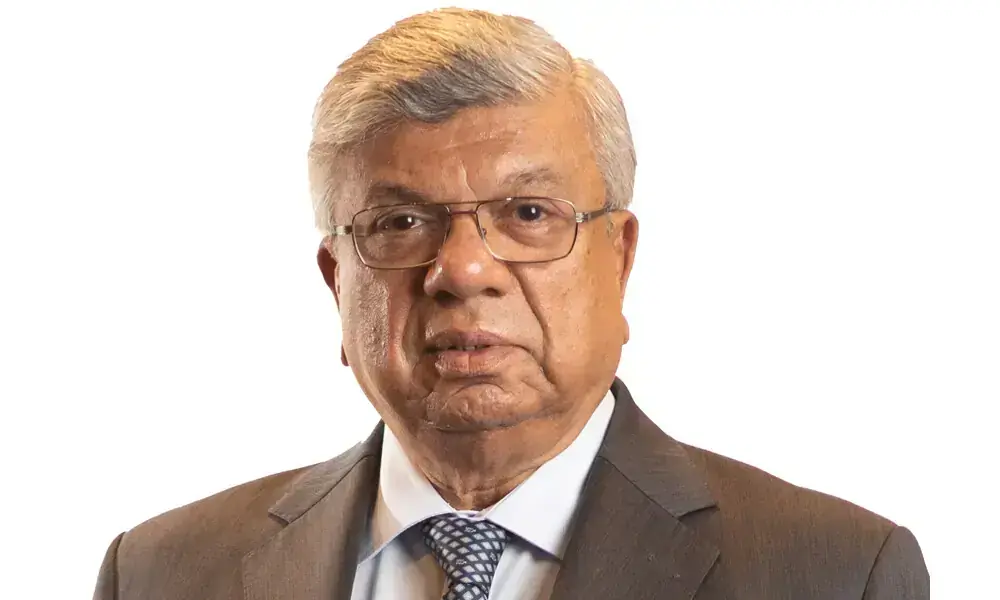

Renowned business tycoon, Arif Habib, Chairman of the Arif Habib Group, on Thursday said that Pakistan must address its high energy costs and heavy tax burden to attract investment, warning that the elevated cost of production continues to discourage both domestic and foreign investors.
Speaking in a seminar held at the Securities and Exchange Commission (SECP), Habib said the government’s economic direction was encouraging and macroeconomic indicators had improved, but structural challenges, particularly expensive electricity and taxation, remained major obstacles to sustainable economic growth.
“Presently, Pakistan is facing several problems in attracting new investment into the economy, both from international and local investors. That is mainly because the cost of production is high,” he said, adding that electricity prices in the country are significantly higher than those in competing regional economies.
PIACL control handed to Arif Habib-led consortium
During his speech, Habib noted that high energy prices have eroded the competitiveness of Pakistani manufacturers, making it difficult for exporters to compete in international markets.
“That’s why I think our exports are not growing.”
Habib also highlighted the tax burden on businesses, saying that 29% corporate income tax, 10% super tax and other levies combine “which goes up to 50-60%” is substantially higher than in many competing regional economies.
“If energy costs and taxes are reduced, I believe we will see some positive developments in the Pakistan economy in terms of investment,” he said.
He acknowledged that the government’s fiscal position had strengthened in recent years, helped by lower interest rates and a lower budget deficit.
Pakistan govt may approach IMF to reduce rate of taxes on businesses, Arif Habib says
Habib said Pakistan already possesses significant industrial capacity, which remains idle amid weak demand. He added that stronger economic activity would enable existing industries to increase output, without the need for further investment.
“I believe we will see further improvements in Pakistan’s overall economic environment going forward.”















Comments