


Pakistan’s poverty and inequality reversal: from economic stabilization to household resilience
- Nearly one-third of Pakistan's population is now below the poverty line (28.9%)
Pakistan faces a deepening crisis of poverty and inequality, driven by high living costs, unstable jobs, and climate shocks. A transformative strategy focusing on social protection, education, and job creation is crucial for inclusive recovery.
- Rising poverty and widening inequality across Pakistan.
- Economic instability, high inflation, and climate shocks.
- Significant provincial disparities in poverty rates.
- Strategies for inclusive recovery, education, and job creation.
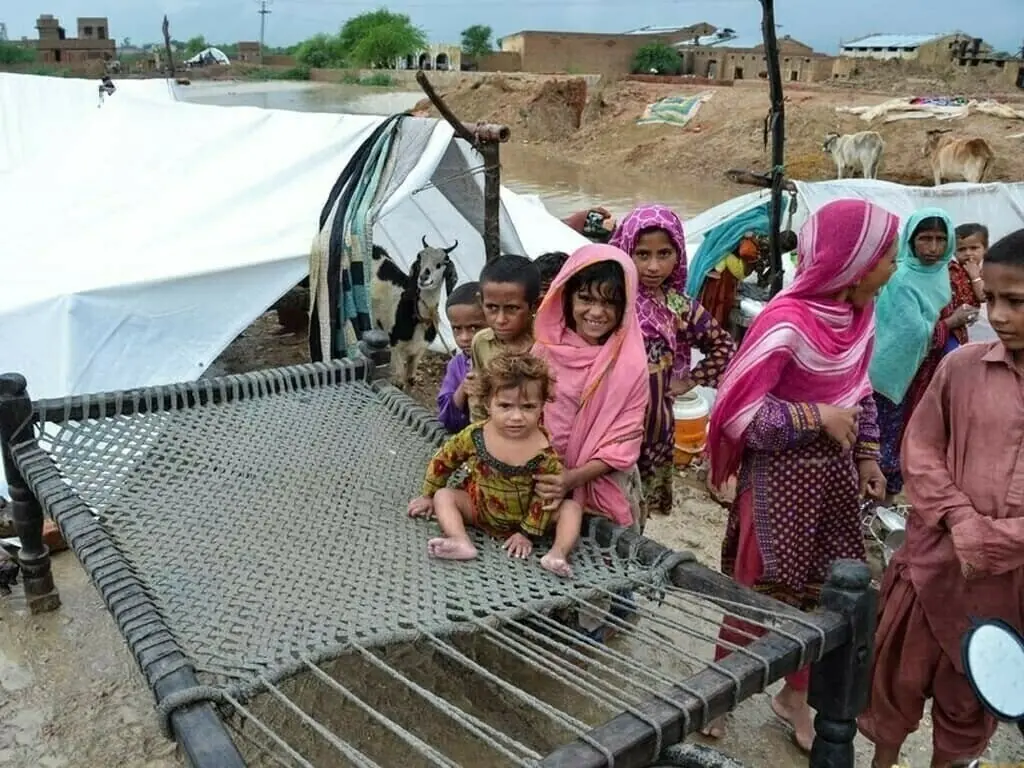

Pakistan’s poverty and inequality challenge is no longer only about low income; it is about the weakening resilience of households facing high living costs, unstable jobs, regional disparities, and climate-related shocks. The country’s path forward must move beyond short-term stabilization toward inclusive recovery, where social protection, decent employment, quality education, healthcare, women’s economic participation, and rural development work together to protect vulnerable families and create lasting opportunities for upward mobility.
Pakistan stands at a critical social-development turning point, where earlier gains in poverty reduction have been weakened by economic instability, inflationary pressures, climate shocks, weak employment recovery, and rising household vulnerability.
The national poverty headcount increased from 21.9 per cent in 2018–19 to 28.9 per cent in 2024–25, meaning that nearly one-third of the population now lives below the poverty line. At the same time, the Cost of Basic Needs poverty line rose sharply from Rs3,757.85 to Rs8,483.80 per adult equivalent per month, reflecting a major decline in household purchasing power. This pressure is uneven across the country. Rural poverty increased from 28.2 per cent to 36.2 per cent, while urban poverty rose from 11.0 per cent to 17.4 per cent, showing that deprivation remains deeper in rural areas but is also increasing among vulnerable urban households facing high living costs, unemployment, energy pressures, rent burdens, and falling real incomes.
Provincial disparities further show the uneven nature of Pakistan’s development challenge. Poverty is estimated at 23.3 percent in Punjab, 32.6 percent in Sindh, 35.3 percent in Khyber Pakhtunkhwa, and 47.0 percent in Balochistan. While in the case of inequality has also widened, with the national Gini Index increasing from 28.4 to 32.7. Urban inequality rose from 31.0 to 34.4, rural inequality increased from 23.4 to 29.2, and provincial inequality reached 32.0 in Punjab, 35.9 in Sindh, 29.4 in Khyber Pakhtunkhwa, and 26.5 in Balochistan. These figures show that Pakistan’s challenge is no longer limited to income poverty alone; it is now linked to regional imbalance, structural vulnerability, unequal adjustment burdens, and weak household resilience.
The rise in poverty and inequality is closely linked to a series of overlapping shocks, including COVID-19, global commodity price pressures, supply chain disruptions, high inflation, fiscal adjustment, weak labour market recovery, and climate-related disasters. Inflation reached 29.2 per cent in 2022–23 and 23.4 per cent in 2023–24, sharply reducing the real value of household incomes. Although macroeconomic conditions improved in 2024–25, with real GDP growth around 3.1 percent and inflation declining to around 4.5 percent, welfare recovery remains slow because employment, wages, and household incomes have not fully recovered. This shows that short-term macroeconomic stability alone is not enough to protect vulnerable households unless it is supported by stronger income opportunities, social protection, and local economic resilience.
The core problem is that existing growth patterns, labour market conditions, and social protection systems are insufficient to prevent vulnerable households from falling into deeper deprivation. High living costs have reduced the real value of income, especially for low-income families whose budgets are mostly spent on food, energy, transport, rent, healthcare, and education. Weak job creation, informal employment, low wages, and slow labour-market recovery have limited their ability to rebuild income after recent shocks. The burden is heavier in rural areas and lagging provinces, where livelihoods depend more on climate-sensitive agriculture, local markets are less diversified, public services are weaker, and non-farm employment opportunities remain limited. Climate shocks further intensify these pressures by damaging crops, assets, infrastructure, and local income sources, while fiscal constraints limit the state’s ability to provide timely and adequate support.
If these trends continue, poverty may become more entrenched and inequality may deepen further. Low-income families may be forced to reduce spending on food, education, healthcare, and productive assets, weakening human capital and limiting future earning capacity. Rural households may become more exposed to climate shocks, low agricultural returns, and limited non-farm work, while vulnerable urban households may continue to struggle with informal jobs, rent pressures, high living costs, and declining real wages. Such a pathway would deepen deprivation, widen regional disparities, increase dependence on social protection, and slow inclusive economic recovery. Without a stronger policy response, Pakistan risks turning temporary economic stress into a structural and intergenerational poverty trap, making sustainable growth, social stability, and equitable development harder to achieve.
Pakistan’s response must therefore move beyond temporary relief toward a practical and transformative development strategy that protects vulnerable households today while creating real opportunities for long-term mobility. Expanding quality education and vocational training can help poor households escape the cycle of low skills, low wages, and limited employment by improving access to better jobs and sustainable income. Improving healthcare, nutrition, and sanitation can reduce the financial burden of illness and strengthen labour productivity. Decent job creation through formal employment, small-business support, rural enterprise development, and skills-based opportunities for youth and women can raise household incomes and reduce dependence on irregular informal work. Stronger rural and regional development can close gaps between advanced and lagging areas by improving infrastructure, market access, agricultural productivity, public services, and non-farm employment. More effective social protection, supported by better targeting and monitoring, can protect vulnerable families during inflation, climate shocks, unemployment, and health emergencies. By linking social protection with education, health, employment, women’s economic inclusion, climate resilience, and local development, Pakistan can reduce poverty, narrow inequality, strengthen household resilience, and move toward a more inclusive and stable development path.
The writer is a Research Associate at Sustainable Development Policy Institute (SDPI)

















Comments