


China's Q2 GDP growth cools to 3-1/2-year low, missing market forecast
- On a quarterly basis, GDP grew 0.9% in the second quarter, in line with analysts' forecast and compared with the 1.3% gain in the previous quarter
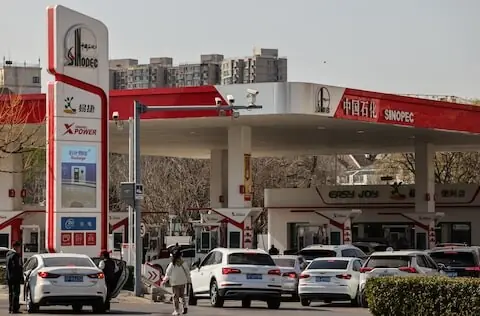
BEIJING: China’s annual economic growth slowed sharply to 4.3% in the second quarter, official data showed on Wednesday, missing analysts’ expectations as weak domestic demand and the oil shock tied to the Iran war outweighed stronger production and exports.
Analysts polled by Reuters had forecast the April-June quarter gross domestic product (GDP) would expand 4.5% from a year earlier, cooling from a 5.0% gain in the first quarter.
The second-quarter year-on-year growth marked the slowest pace since the fourth quarter of 2022 when China was grappling with the COVID-19 pandemic.
The world’s second-largest economy is becoming increasingly unbalanced: factory output remains robust, helped by AI-related exports, while consumption and investment struggled under the weight of a prolonged property slump and fallout from the global oil shock.
On a quarterly basis, GDP grew 0.9% in the second quarter, in line with analysts’ forecast and compared with the 1.3% gain in the previous quarter.
Separate activity data for June pointed to an improvement in household consumption, but weak investment dragged on the broader economy.
Retail sales grew 1.0% in June, turning around from a 0.6% fall in May for their quickest growth in three months. Analysts had forecast a 0.1% dip.
Industrial output rose 5.3% last month from a year earlier, accelerating from 4.5% growth in May and beating expectations for a 4.7% rise.
China’s June trade tops forecasts buoyed by AI boom
Fixed-asset investment, however, shrank 5.7% in the first six months of 2026, compared with expectations for a 4.9% decline. It fell 4.1% in the January-May period.
The property industry remained in the doldrums, with investment falling 18% in the first half of the year compared with the same period last year, widening from the 16.2% drop in January-to-May.
New home prices contracted again in June, though at a slightly slower pace, as weakness in nationwide demand offset small pockets of improvement in core cities.
Investors are closely watching an expected late-July Politburo meeting for clues on fresh stimulus that could shape policy for the rest of the year. But analysts don’t expect aggressive measures unless growth slows more sharply.
Premier Li Qiang called on Monday for “a comprehensive and objective understanding” of the current economic situation and for a stronger counter-cyclical adjustment, state broadcaster CCTV reported, amid signs of slowing economic momentum.
Analysts expect Beijing to rely more heavily on fiscal stimulus to cushion any further slowdown, with the central bank constrained in its ability to deliver aggressive monetary easing even after the decline in oil prices.





















Comments