


Hormuz uncertainty clouds recovery
Geopolitical tensions in the Strait of Hormuz, fueled by US-Iran incidents, create global uncertainty, particularly impacting oil prices and Pakistan's economic stability, necessitating a focus on maintaining status quo.
- Impact of Strait of Hormuz tensions on global oil.
- Pakistan's economic stability and rising oil prices.
- Global strategic petroleum reserves and future supply.
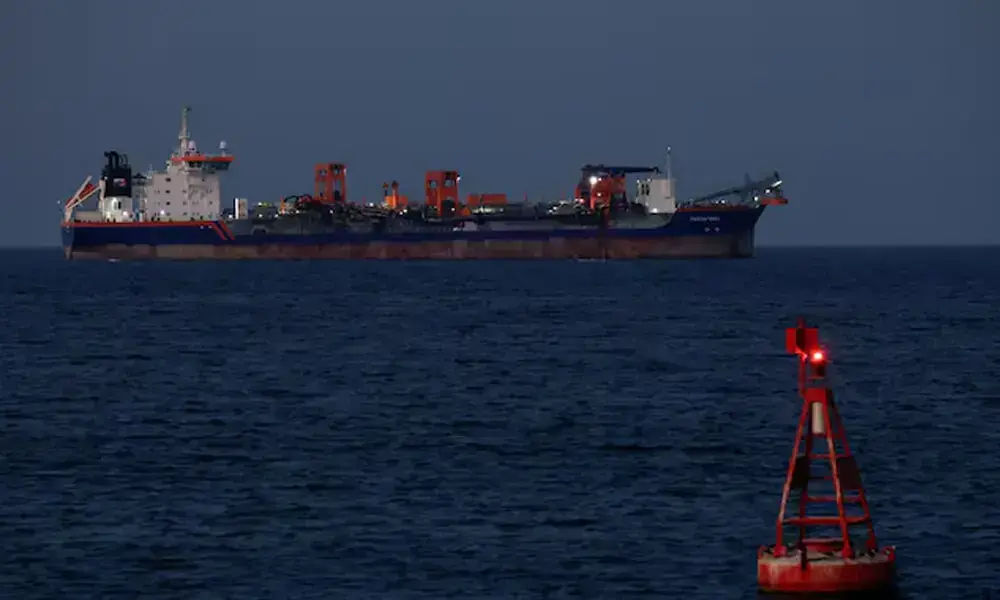
The Strait of Hormuz is technically open, but ship traffic is sparse. Hence, it is effectively closed. The recent incidents of bombing by both sides—the US and Iran—have cast doubt on the continuity of the MOU. The crux is that the future is uncertain.
That has implications for oil-importing countries, especially those that are more exposed to balance-of-payments worries. Pakistan is a basket case, and we have an uncertain future. That is why the stock market is jittery, and the irrational expectations of any rate cut have completely died down.
The SBP would maintain the status quo in the policy review expected by the end of July. A more prudent approach would be to wait and see until December, as the sword will keep hanging over us until the fear of war is completely over.
The government and stock market punters were jubilant about better indicators, such as falling inflation and rising home remittances. However, the party spoiler is oil prices. In a matter of days, prices jumped by 15–20 percent from their lows, and oil is now hovering around $80 per barrel. Some say it will remain below $90, while others say it may cross $100. Whatever the case, anything above $80 is a worry for Pakistan.
When the war started, a few countries began using their strategic petroleum reserves, while China had bought in bulk before the war started and reduced its buying in the last few months. Now, strategic petroleum reserves are low and cannot be used as a buffer. In fact, countries are looking for lower prices to refill them. The other question is how long China will continue buying less.
The fear of higher demand amid the closure of the Strait of Hormuz is not good for the oil outlook. Pakistan cannot do much but wait. Our efforts to defuse the tension were fruitful until the MOU was reached, but our role may not remain the same going forward. The question is how to convert the geopolitical mileage we gained into a geopolitical dividend.
All one can see are headwinds. Analysts were afraid of this, as the MOU was a little too tilted towards Iran, and realistic people were assuming the risk of the US swaying away from it. Some say that Trump might be using it to secure fresh approval for another 60 days of war.
Whatever it is, the situation remains fluid. If there is any thinking about accelerating economic growth in Pakistan, that must stop. The quest to maintain stability must continue. The SBP’s foreign exchange reserves have reached $18.4 billion—the highest since October 2021. That provides comfort that no immediate crisis is in the offing and that the currency is in a comfortable position, although a growing REER demands some depreciation.
The bottom line is that uncertainty remains high, and the focus should be on keeping stability intact and waiting for a favourable external situation before thinking about accelerating growth.











Comments