


Panel informed: 5G services launched in 22 cities under initial rollout


ISLAMABAD: Pakistan Telecommunication Authority (PTA) on Tuesday informed a parliamentary panel that telecom operators have launched 5G services in 22 cities under the first phase of the rollout, although no new 5G infrastructure has yet been deployed in the country.
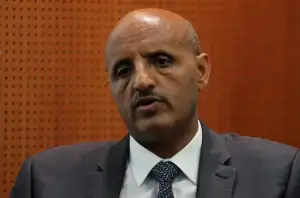
Briefing the National Assembly Standing Committee on Information Technology and Telecommunication, PTA Chairman said the services have initially been enabled through existing mobile towers and network infrastructure.
He said dedicated new infrastructure would be deployed gradually in subsequent phases, which is expected to improve internet speed and service quality across the country over the next six to eight months.
The committee, chaired by Syed Amin-ul-Haq, expressed serious concern over the poor state of internet and mobile services, observing that connectivity problems were no longer limited to remote regions and were also affecting major urban centres, including Karachi.
Members highlighted slow internet speeds and repeated failures in connecting mobile calls despite multiple attempts.
PTA officials informed the committee that Pakistan’s total available spectrum had increased from 274 MHz to 754 MHz following the 5G spectrum auction, significantly expanding network capacity. The regulator expects the additional spectrum to gradually provide relief to consumers and improve internet services in the coming months.
However, the PTA identified prolonged electricity load shedding as a major impediment to reliable telecom services. The PTA chairman said power outages of up to 10 hours a day in certain areas were adversely affecting mobile towers and disrupting broadband and cellular connectivity.
He said the issue had been taken up with the National Electric Power Regulatory Authority (NEPRA) and relevant power distribution companies, while the prime minister had constituted a high-level committee to devise a sustainable mechanism for uninterrupted electricity supply to telecom towers.
The parliamentary panel recommended the use of alternative energy sources for telecom infrastructure, particularly wind and solar power. It directed the Ministry of IT and Telecommunication to encourage telecom operators to gradually install renewable energy systems at telecom sites.
The committee observed that shifting towards renewable energy could reduce dependence on diesel, curb diesel theft and attract private investment in more resilient telecommunications infrastructure.
Separately, the committee was informed that around 92 per cent of smartphones currently used in Pakistan are locally manufactured or assembled, while only eight per cent are imported, primarily Apple iPhones and Google Pixel devices.
The PTA chairman said most other mobile phone brands were being assembled locally and were therefore not subject to import duties applicable to imported devices.
The committee directed the ministry to encourage Apple and other major global smartphone manufacturers to establish local manufacturing or assembly facilities in Pakistan to make devices more affordable, attract investment and generate employment.
Clarifying the taxation mechanism for imported mobile phones, the PTA chairman said the regulator does not collect mobile phone taxes. Such taxes are deposited with the Federal Board of Revenue (FBR), while PTA’s role is limited to registering and whitelisting tax-paid devices through the Device Identification, Registration and Blocking System (DIRBS).
Meanwhile, the committee deferred the Electronic Transactions (Amendment) Bill, 2026, after Pakistan People’s Party members raised reservations over the lack of consultation with the party’s Parliamentary Legislative Committee.
The panel observed that no meaningful consultation had been conducted with relevant political parties and stakeholders and decided to take up the proposed legislation at its next meeting after completion of the consultative process.
Copyright Business Recorder, 2026





















Comments