


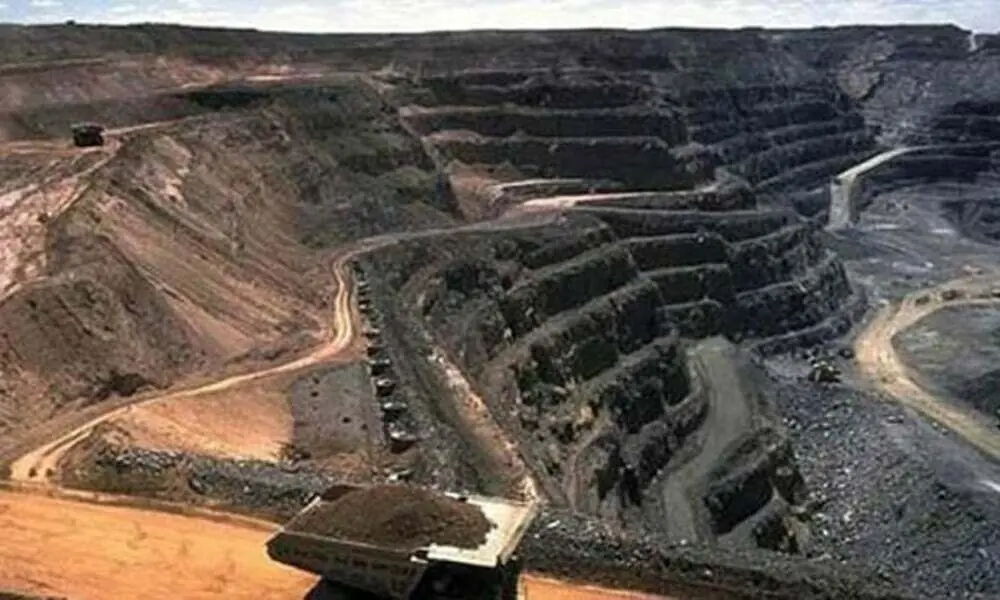

Pakistan’s energy transition is unfolding very differently from what many anticipated. While official policy continues to emphasize renewable energy and climate commitments, the country’s latest budget reveals a quieter but far more consequential shift. Alongside investments in grid modernization and clean energy, the government has allocated Rs 2 billion for the Thar Coal Connectivity Project and is advancing the Thar Coal Rail Link to facilitate the movement and commercial use of domestic coal.
At first glance, these decisions appear contradictory. In reality, they reflect a fundamental change in Pakistan’s energy priorities. The country’s energy transition is no longer being driven by decarbonisation alone. It is increasingly being shaped by energy security, foreign exchange constraints, and the search for greater macroeconomic resilience.
The distinction matters. Reducing dependence on imported fuels does not necessarily mean moving away from fossil fuels. It means finding the most economically sustainable path to meeting Pakistan’s growing energy needs while reducing exposure to volatile international markets.
Pakistan is, in fact, undergoing three simultaneous energy transitions.
The first is a gradual shift away from imported LNG. The second is the rapid expansion of distributed rooftop solar, which is fundamentally changing electricity consumption patterns. The third is the growing strategic role of domestic Thar coal as a substitute for imported fuels. Together, these three developments are redefining what energy transition means in Pakistan.
The country’s electricity mix illustrates this changing reality. Hydropower remains Pakistan’s largest source of electricity, accounting for nearly 30 percent of total generation. Coal now contributes almost one-fifth of electricity generation, considerably exceeding utility-scale solar, which still contributes less than one percent of grid electricity. While rooftop solar is expanding rapidly across households and businesses, much of this generation takes place behind the meter and therefore reduces demand for grid electricity rather than appearing in official generation statistics.
The more revealing story, however, lies not simply in how electricity is generated, but in how existing assets are being used. Pakistan’s RLNG-based power plants, which were constructed at a significant financial cost, operated at only around 35 percent of their capacity during the last fiscal year. By contrast, indigenous coal plants recorded utilization rates approaching two-thirds of their available capacity. These numbers suggest that Pakistan is steadily relying less on imported LNG while continuing to bear the financial obligations associated with long-term LNG contracts and underutilized infrastructure.
This has profound macroeconomic implications. Pakistan continues to import approximately 6.8 million tons of LNG annually under long-term agreements. Every imported cargo requires precious foreign exchange, exposing the economy to global price volatility and geopolitical disruptions. At a time when external account stability remains one of Pakistan’s most pressing economic challenges, reducing dependence on imported energy has become a strategic imperative rather than merely an energy-sector objective.
In this sense, Pakistan’s energy policy is increasingly becoming an extension of its balance-of-payments strategy. The objective is no longer simply producing cleaner electricity; it is producing electricity with greater economic resilience.
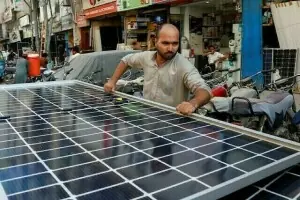
Rooftop solar represents the second pillar of this transformation. Few developments have altered Pakistan’s electricity sector as rapidly as the widespread adoption of distributed solar generation. Rising electricity tariffs, falling solar panel prices and persistent concerns over grid reliability have encouraged households and businesses to invest in their own electricity generation. This has reduced pressure on imported fuels during daylight hours and improved energy affordability for many consumers.
Yet the solar revolution has also created new policy challenges. As more consumers generate their own electricity, demand from the national grid declines while the fixed costs of maintaining transmission and distribution infrastructure remain largely unchanged. Unless pricing mechanisms, market structures and distribution companies adapt to this new reality, these costs risk being shifted onto consumers who cannot afford to install solar systems themselves.
The third transition is perhaps the most politically significant: the growing strategic importance of Thar coal.
The latest budget demonstrates that the government increasingly views domestic coal not merely as an energy resource but as an instrument of economic security. Investments in coal connectivity infrastructure, together with the proposed US$1.12 billion coal-to-urea project by Fauji Fertilizer Company in partnership with China’s Hualu Engineering, indicate that domestic coal is now being positioned as a substitute for imported natural gas across multiple sectors of the economy.
The economic rationale is straightforward. Unlike imported LNG, Thar coal does not require foreign exchange; it is insulated from disruptions in international shipping routes, and reduces Pakistan’s exposure to global energy market volatility. For a country that has repeatedly faced external financing pressures, these advantages carry considerable weight.
However, import substitution alone cannot constitute a long-term energy strategy.
A development pathway built around greater reliance on coal also carries significant risks. International carbon border adjustment mechanisms, tightening environmental standards, growing investor preference for low-carbon supply chains, and declining access to climate finance all have the potential to affect Pakistan’s export competitiveness over the coming decades. Heavy investments in carbon-intensive infrastructure today may also increase the risk of stranded assets as global decarbonisation accelerates.
The challenge, therefore, is not to choose between coal and renewables. It is to integrate energy security with environmental sustainability and long-term industrial competitiveness.
That requires a much broader policy agenda than simply financing new power projects. Pakistan will need significant investments in modern transmission infrastructure, grid flexibility, energy storage, demand-side management, competitive electricity markets and regulatory reforms capable of accommodating rapidly expanding distributed generation. Without these complementary reforms, neither domestic coal nor rooftop solar will deliver their full economic potential.
The latest budget should therefore be understood as more than a fiscal document. It reveals the political economy of Pakistan’s evolving energy choices. The country’s transition is no longer a linear movement from fossil fuels to renewables. Instead, it is becoming a more complex balancing act between energy security, macroeconomic stability and environmental responsibility.
Ultimately, Pakistan’s future energy system will not be judged by whether it invested more in coal or more in renewables. It will be judged by whether it successfully managed three transitions at once: reducing dependence on imported LNG, harnessing the rapid growth of distributed solar, and using domestic resources such as Thar coal without undermining long-term competitiveness.
That is the real energy transition now underway. And whether it succeeds will determine not only Pakistan’s energy security but also its economic resilience in an increasingly carbon-conscious global economy.
Copyright Business Recorder, 2026
The writer is a Research Economist at Pakistan Institute of Development Economics (PIDE). She can be reached at: [email protected]
















Comments