


Pakistan's car sales surge 39% in FY26
- Motorbikes, rickshaws sales up by 30% to 1,972,077 units
Pakistan's car sales surged 39% in FY26, driven by improved buying power, better financing, and diverse vehicle options, while motorbike sales struggle amidst declining middle-class affordability.
- Significant increase in car, jeep, and truck sales figures.
- Factors driving improved car sales, including financing and variants.
- Challenges in the motorbike market and middle-class affordability.
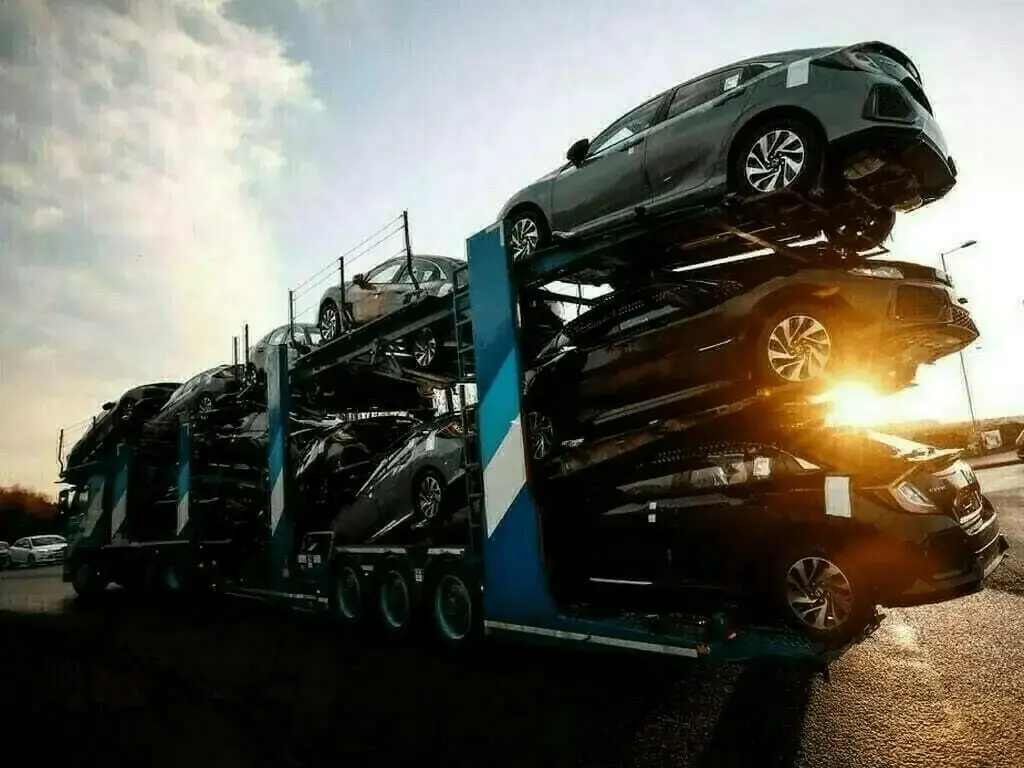
Car sales in Pakistan rose 39% during FY2025-26, driven by stronger consumer purchasing power, improved auto financing by banks, and a wider range of variants introduced by car assemblers.
Car sales surged by 39% to 155,631 units, sales of jeeps and pickups increased by 41% to 50,814 units, sales of trucks and buses rose by 67% to 7,439 units and sales of rickshaws rose by 25% to 985 units, respectively, according to the Pakistan Automotive Manufacturers Association (PAMA) data released on Monday.
Motorbikes and rickshaws went up by 30% to 1,972,077 units.
Meanwhile, sales of farm tractors slid by 1% to 28,791 units as growers are not willing to invest in the agriculture sector because of poor returns for a couple of years.
Speaking to Business Recorder, auto and bike analyst and expert Muhammad Sabir Shaikh said multiple reasons led to an increase in car sales in FY26, including increasing purchasing power of car lovers-cum-users, useful car financing schemes of banks suiting car buyers and more car assemblers coming with a vast variety of car variants and car types including fuel-driven, electric and hybrid.
“Bike sales have yet to recover. Before the Covid-19 pandemic, annual motorcycle sales, both official and unofficial, had surged to around 3 million units in 2016. Unfortunately, the purchasing power of middle-class consumers, who make up the bulk of motorcycle buyers, has declined significantly. As a result, many cannot afford an electric bike priced at around Rs300,000. In contrast, buyers in the car segment continue to purchase vehicles worth more than Rs10 million, reflecting a sharp increase in their purchasing power.”
He said Pakistan’s public transport system remains inadequate, particularly in Sindh, where even Karachi suffers from deteriorating road infrastructure. He urged both the federal and provincial governments to immediately invest in improving road infrastructure and expanding the public transport network.
“It has become extremely difficult for a middle-class family to afford a motorcycle today, even though it has become a necessity. With fuel prices remaining high, fares for auto-rickshaws and ride-hailing services have risen sharply, making motorcycle ownership increasingly essential,” Shaikh maintained.










Comments