


Petroleum pricing committee proposes transparency reforms amid global market uncertainty
- Panel recommends publication of daily Platts benchmark prices, rule-based fuel price stabilisation fund
A Pakistani committee proposed reforms to the petroleum pricing mechanism, aiming for greater transparency, market stability, and energy security amid global oil market uncertainty, including boosting domestic diesel production.
- Reforms to Pakistan's petroleum pricing mechanism.
- Boosting domestic diesel production for energy security.
- Publishing daily Platts pricing data for transparency.
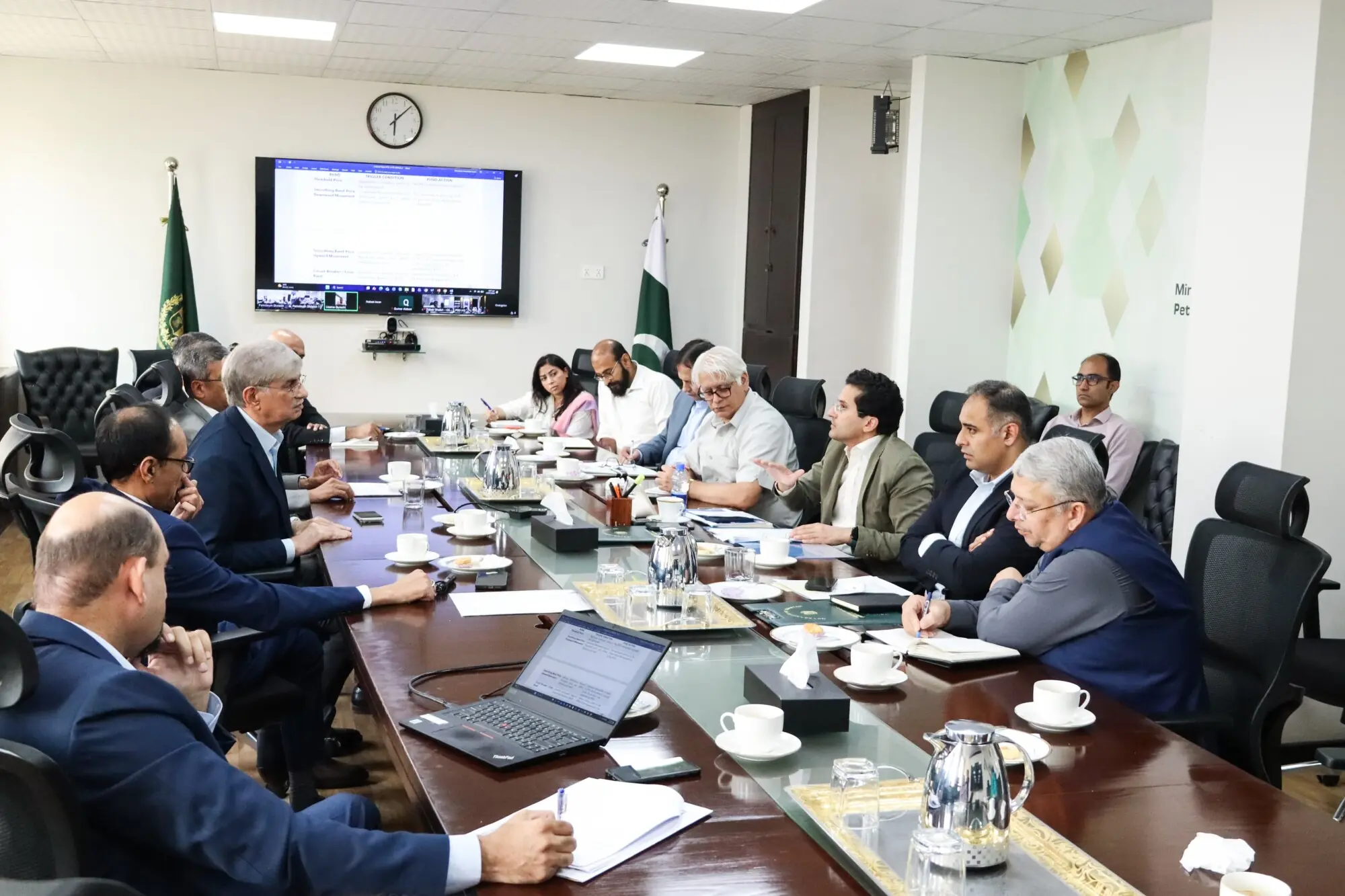

A high-level committee reviewing Pakistan’s petroleum pricing mechanism on Monday proposed a series of reforms aimed at improving transparency, strengthening market stability and enhancing energy security amid renewed uncertainty in global oil markets.
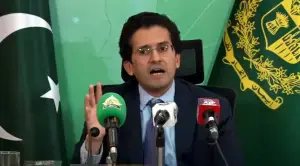
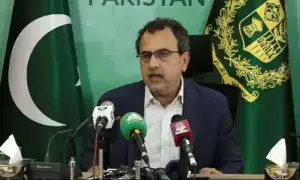
The fourth meeting of the committee, constituted by the prime minister, was chaired by Federal Minister for Petroleum Ali Pervaiz Malik.
Addressing the meeting, Malik said the committee’s work had become more significant due to the renewed closure of the Strait of Hormuz, which has heightened uncertainty in global energy markets.
Citing a study by KPMG, the minister said petrol prices in Pakistan remain lower than those in Bangladesh, Sri Lanka and Türkiye, while broadly comparable to prices in India.
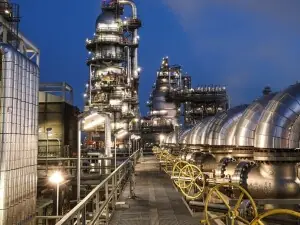
He added that the government has proposed amendments to the Refinery Policy to boost domestic diesel production and reduce reliance on imported diesel, a move aimed at strengthening the country’s energy security.
The committee reviewed various options for reforming the petroleum pricing mechanism and recommended, as an immediate measure, that the Oil and Gas Regulatory Authority (OGRA) publish daily Platts pricing data on its website to allow the public access to the benchmark used for determining petroleum prices in Pakistan.
Members also agreed that the recently established petroleum price stabilisation fund should operate under a fully rule-based framework, with clearly defined mechanisms for both funding and disbursements to ensure transparency and prevent arbitrary decision-making.
The committee also stressed the need to digitise the oil supply chain to improve efficiency and oversight.
The petroleum minister directed that the committee’s next meeting would be its final session, after which its recommendations would be submitted to the prime minister for consideration.
The meeting was attended by Federal Minister for Economic Affairs Ahad Khan Cheema, Minister of State for Finance Bilal Azhar Kayani, OGRA Chairman Nabeel Awan, representatives of KPMG, the Finance Division, Pakistan State Oil (PSO), the Ministry of Law and Justice, the Petroleum Division and other committee members.







Comments